Brain injury
Why Does Speech Disorder Occur After Brain Hemorrhage?
Brain hemorrhage can damage speech centers and cause aphasia, edema, cognitive and swallowing problems that lead to speech disorders.
 Prof. Dr. Engin Çakar · Physical Medicine & Rehabilitation
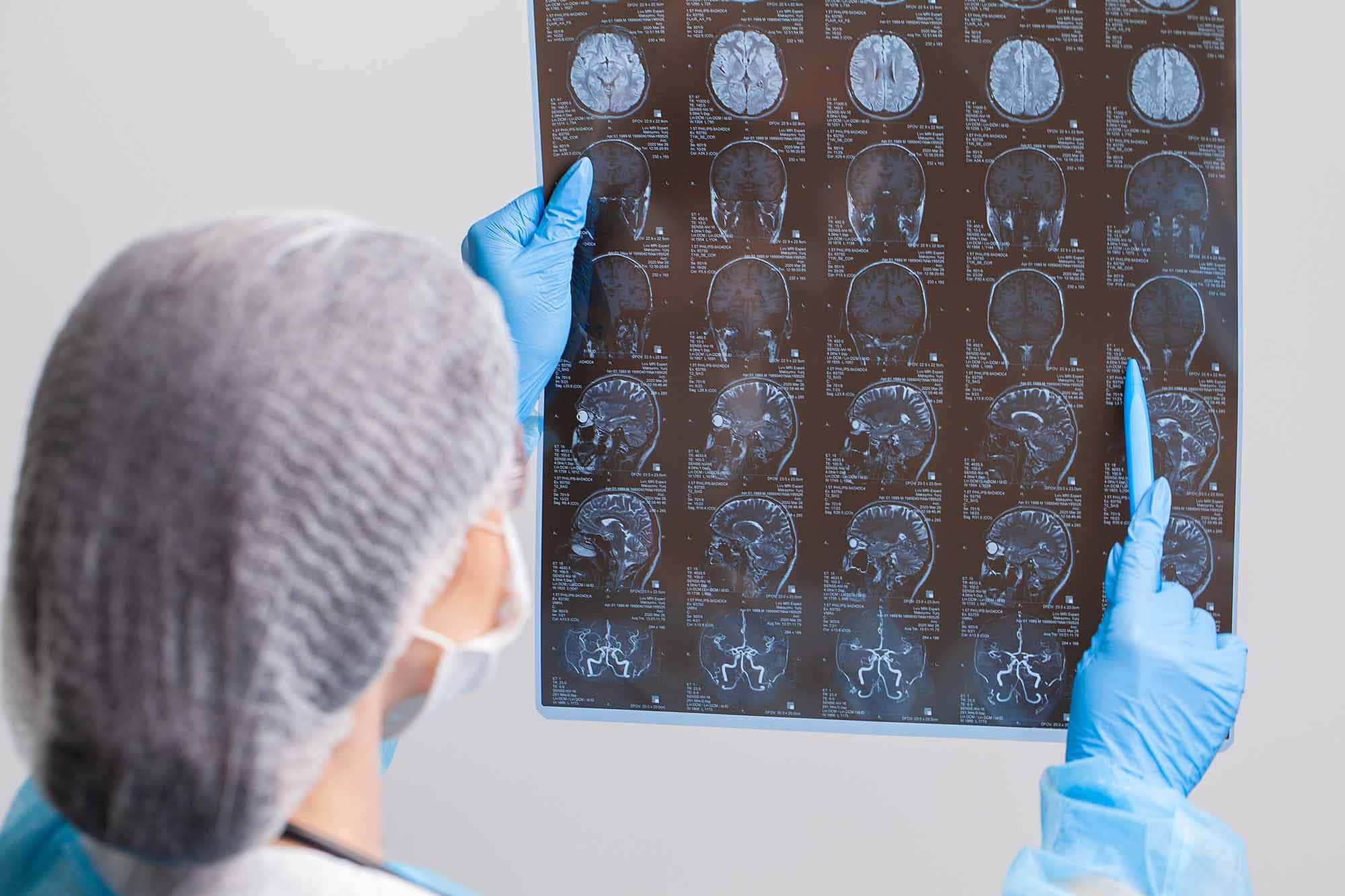
Speech disorder can result from brain hemorrhage, which occurs when brain blood vessels rupture and blood spreads into internal brain tissues. The pressure on brain tissues in the bleeding area causes brain cells to lose function. Brain hemorrhage accounts for 10-15% of stroke-paralysis cases, with clinical outcomes depending on the hemorrhage location.
The left lobe contains the speech area, so bleeding there may cause speech disorders.
Why Does Speech Disorder Occur?
Because of Damage at the Speech Center
Two brain areas connect to speech: Broca and Wernicke. Damage to Broca's region causes aphasia, making word formation and self-expression difficult. Wernicke damage impairs understanding of spoken and written language.
Brain Edema
Hemorrhage causes swelling in the bleeding area and nearby regions, increasing brain pressure and potentially worsening speech disorders by affecting speech areas.
Stroke - Paralysis
Stroke from hemorrhage or embolism causes body weakness and speech difficulty through impact on speech muscles.
Cognitive Disorder
Brain hemorrhage causes cognitive problems affecting memory, attention, coordination, and problem-solving—all contributing to speech disorders.
Problems in Swallowing
Hemorrhage may damage swallowing areas, causing both swallowing and speech difficulties.
Therapy and Rehabilitation
Comprehensive treatment requires a multidisciplinary team creating personalized therapy plans. Language and speech therapy supports recovery of lost language skills. Early diagnosis and rehabilitation help patients regain lost functions more effectively.
Originally published on the doctor's site