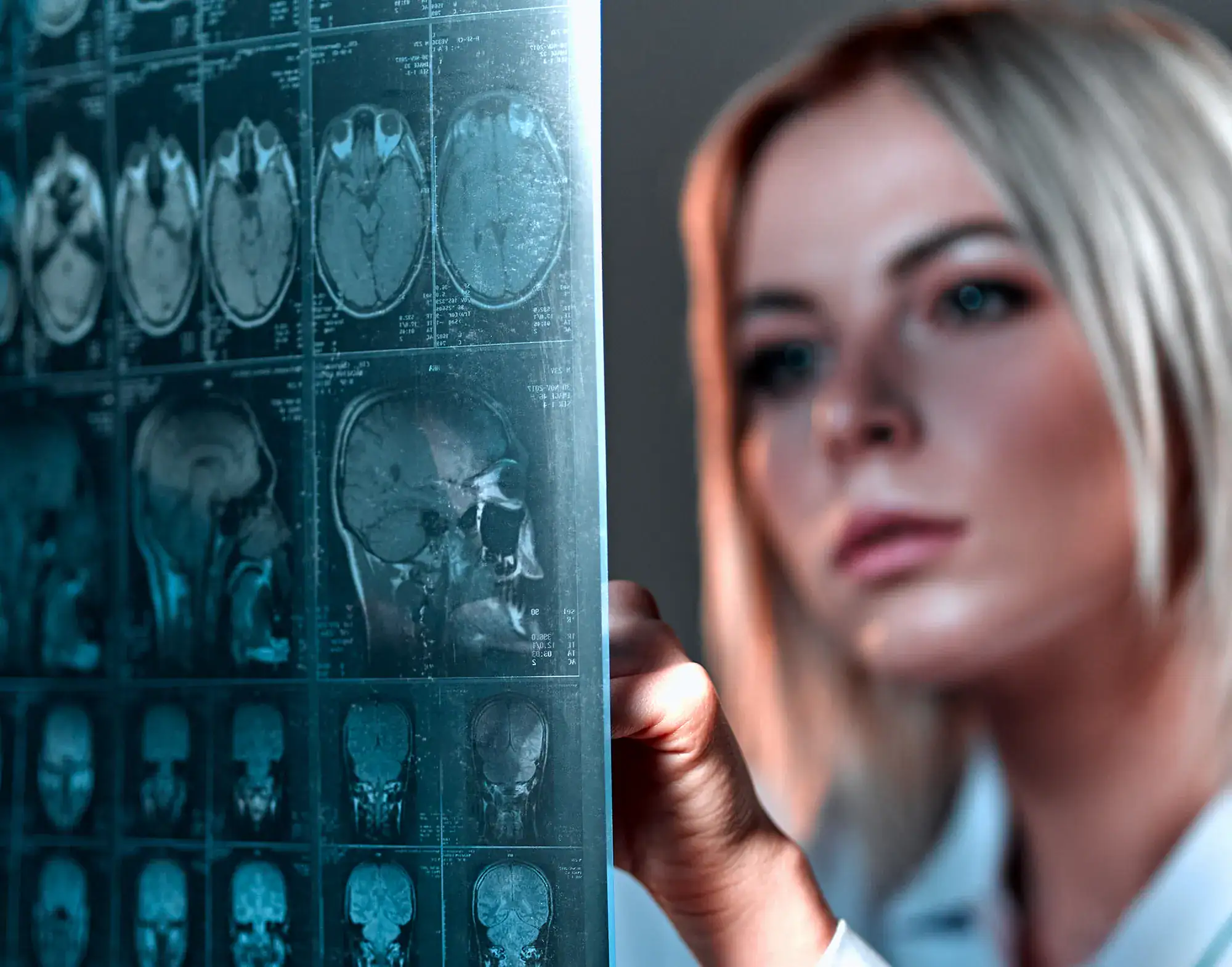
Brain injury
Brain Hemorrhage: Causes, Symptoms and Treatment
Brain hemorrhage is bleeding in the brain that causes hemorrhagic stroke; learn its types, causes, warning symptoms and treatment approaches.
 Prof. Dr. Engin Çakar · Physical Medicine & Rehabilitation
Brain hemorrhage is bleeding that occurs in brain tissue as a result of the rupture of one of the brain vessels. Brain hemorrhage is an important cause of stroke. It is responsible for 10–15% of all strokes. Strokes caused by brain hemorrhage are called hemorrhagic strokes. The other type of stroke is ischemic stroke, that is, a blockage of the brain vessels.
A brain hemorrhage can occur:
in the brain tissue,
between the brain and the membrane surrounding the brain,
between the membranes surrounding the brain,
between the brain membranes and the skull.
The accumulated blood (hematoma) creates a mass effect, leading to damage of brain cells. As brain cells die, brain edema develops. As bleeding and edema increase, intracranial pressure also rises; blood flow to the brain decreases and brain damage occurs.
Types of Brain Hemorrhage
Intracerebral Hemorrhage: Bleeding that occurs within the brain tissue. It can be directly inside the brain tissue (intraparenchymal) or within the cavities inside the brain (intraventricular). The most common cause is high blood pressure.
Subarachnoid Hemorrhage: Bleeding between the brain and the brain membranes. It can cause severe headache and neck stiffness. The most common cause is bleeding due to aneurysm formation in the brain.
Hematoma: The term used for bleeding between the brain membranes and the skull. Depending on whether it is inside or outside the outermost membrane, it is called a subdural or epidural hematoma. The most common cause is head trauma.
What Causes Brain Hemorrhage?
In young people, the most common cause of brain hemorrhage is head trauma.
In adults, the most important cause is high blood pressure. Uncontrolled hypertension can weaken vessel walls and cause them to rupture.
Brain aneurysms — known as ballooning in the brain vessels — are one of the important causes of brain hemorrhage.
Arteriovenous Malformations (AVM) — congenital abnormal and weak shapes of arteries and veins in the brain — are another important cause.
Uncontrolled use of blood-thinning medications
Bleeding disorders such as hemophilia and sickle cell anemia
Impaired blood clotting due to liver disease
Brain tumors
Can Brain Hemorrhage Be Prevented?
An important portion of brain hemorrhages can be prevented with simple measures:
Keeping blood pressure under control,
Keeping cholesterol under control,
Not smoking,
Reducing fall risk in people with balance problems,
Using blood thinners under medical supervision,
Wearing a seat belt in vehicles,
Wearing a helmet on a motorcycle or bicycle,
Applying preventive treatments in people with vascular ballooning (aneurysms).
What Are the Symptoms of Brain Hemorrhage?
Symptoms may appear suddenly or develop slowly over days. The location and severity of the bleeding determine the symptoms. For example, bleeding in the speech center can cause speech disturbance.
Brain hemorrhage is a life-threatening condition that can result in death. When symptoms are felt, emergency care must be sought immediately:
Sudden, very severe headache
Loss of attention and increased drowsiness
Weakness in the face, arms or legs
Numbness or tingling in the face, arms or legs
Balance problems and difficulty walking
Unexplained nausea or vomiting
Vision disturbances, double vision or blurred vision
Difficulty understanding speech
Seizures
Loss of consciousness
Coma
How Is Brain Hemorrhage Treated?
Treatment depends on the cause, location and severity of the bleeding. In emergency care, the patient's vital functions such as blood pressure and respiration are stabilized first. Various medications, interventional treatments or surgical procedures may be applied. The patient is followed in intensive care, neurology or neurosurgery services.
Once the patient's medical condition stabilizes, they are admitted as early as possible to comprehensive inpatient physical therapy centers for physical therapy and neurorehabilitation. A comprehensive rehabilitation program is applied including physiotherapy, robotic physical therapy, occupational therapy, speech and swallowing therapy and respiratory therapy.
Originally published on the doctor's site