Brain injury
Subarachnoid Hemorrhage - Brain Hemorrhage
Subarachnoid hemorrhage is a brain hemorrhage in the space around the brain; learn its symptoms, causes, diagnosis, and treatment.
 Prof. Dr. Engin Çakar · Physical Medicine & Rehabilitation
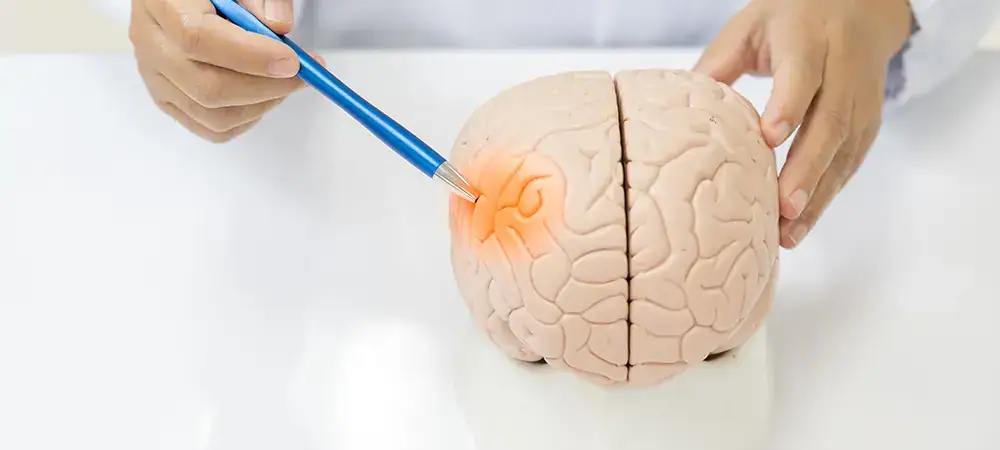
Subarachnoid hemorrhage is a type of brain hemorrhage that occurs between the brain tissue and the membrane surrounding the brain. This area between the membranes of the brain is named as the subarachnoid space. When a blood vessel is damaged in this area and starts to bleed, the person has a stroke due to a brain hemorrhage.
Symptoms of Subarachnoid Hemorrhage
Subarachnoid hemorrhage is a condition that requires immediate medical attention. If you or someone close to you has any of the symptoms of a subarachnoid hemorrhage, you should consult a medical institution immediately. Common symptoms include:
Severe headache
Neck pain or stiffness
Dizziness, nausea or vomiting
Speech impairment
Double vision, sensitivity to light
Eyelid dropping, face's shifting to one side
Unconsciousness, fainting and seizures
Sudden numbness, tingling and muscle weakness which develops suddenly on one side of the body
Why Does Subarachnoid Hemorrhage Happen?
Brain aneurysm (bubble formation in brain), vascular tangles in brain (arteriovenous malformation or AVM), and other cerebrovascular problems may cause subarachnoid hemorrhage.
How is Subarachnoid Hemorrhage Diagnosed?
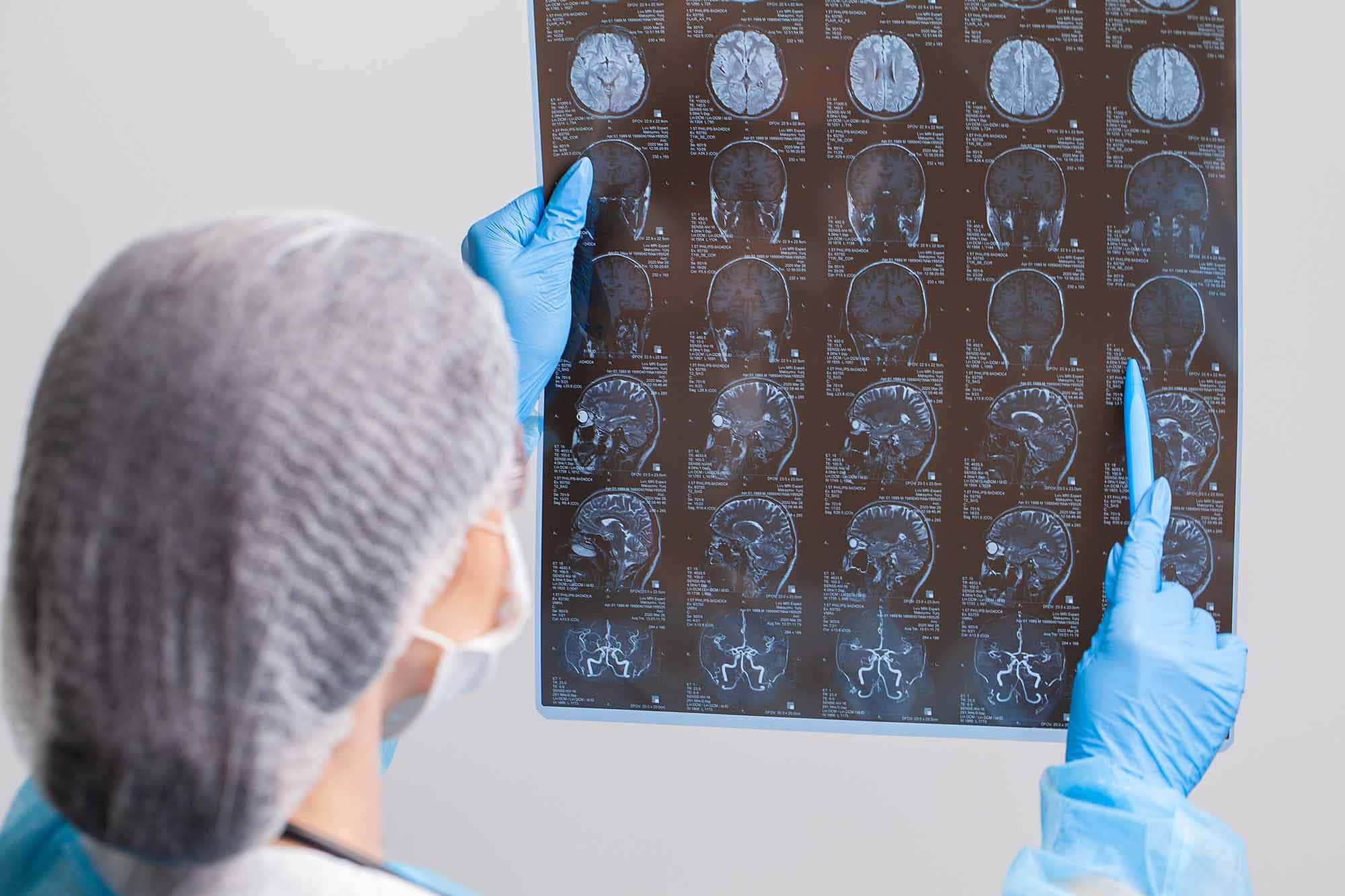
To diagnose whether there is a subarachnoid hemorrhage, it may be necessary to make one or more of several imaging tests. Commonly used imaging methods include computed tomography, MRI imaging and cerebral angiogram.
Subarachnoid Hemorrhage Treatment
People who had a subarachnoid hemorrhage receive acute medical treatment in the emergency room, intensive care unit and neurosurgery services. According to the patient's condition and needs, medication, interventional procedures or surgery options may be preferred. After the patient's acute medical treatment is completed and their medical condition stabilized, the comprehensive inpatient physical therapy stage is initiated to restore lost body functions.
Physical therapy methods that are applied after brain hemorrhage are called neuro-rehabilitation. In neuro-rehabilitation, the patient's day is spent with physiotherapy, ergotherapy, speech and swallowing therapy, electrotherapy and robotic physical therapy applications. All the treatments that the patient needs to regain lost functions are provided by the inpatient comprehensive physical therapy center.
Originally published on the doctor's site