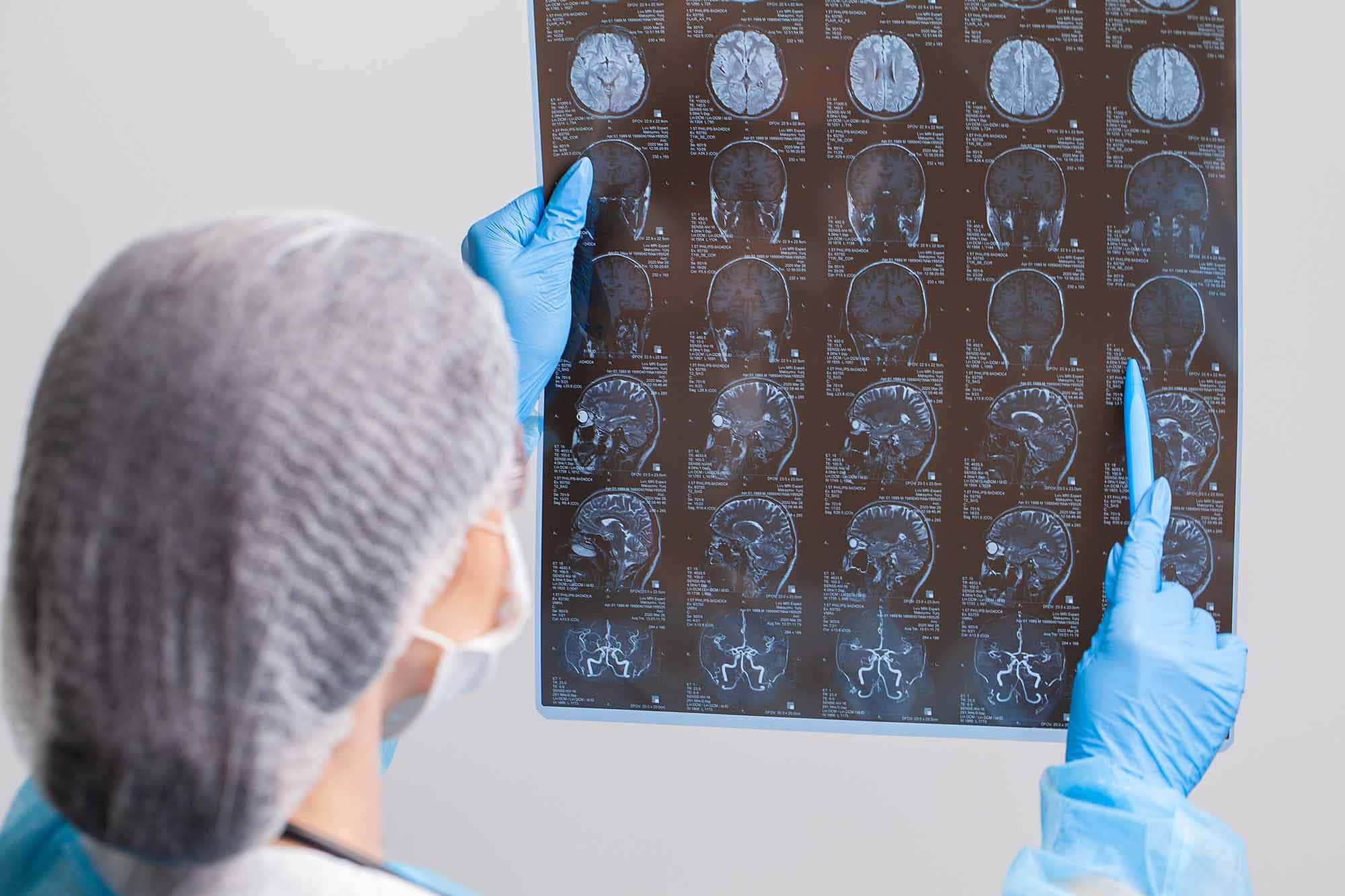
Brain injury
What Is TBI (Traumatic Brain Injury)?
Traumatic brain injury explained — causes, severity, symptoms and recovery.
 Prof. Dr. Engin Çakar · Physical Medicine & Rehabilitation
Traumatic brain injury (TBI) is damage to the brain caused by an external force — a blow, jolt or penetrating injury to the head. It ranges from mild concussion to severe, life-changing injury.
Common Causes
TBI is most often caused by falls, road traffic accidents, sports injuries, assaults and workplace accidents. It can affect anyone, but the very young and older adults are especially at risk.
Severity
TBI is broadly classified as mild, moderate or severe, based on factors such as loss of consciousness, confusion and imaging findings. A concussion is a mild TBI; severe TBI may involve prolonged unconsciousness and significant brain damage.
Symptoms
Mild TBI can cause headache, dizziness, nausea, confusion, memory problems, sensitivity to light or noise, and mood changes. Moderate to severe TBI can add persistent or worsening headache, repeated vomiting, seizures, weakness or numbness, slurred speech, and reduced consciousness — all of which need emergency care.
Treatment and Recovery
Emergency treatment stabilises the patient and prevents further damage. Recovery then depends on structured neuro-rehabilitation — physiotherapy, occupational, speech and cognitive therapy — along with emotional support. Mild TBI often resolves with rest, while moderate and severe injuries may need long-term rehabilitation. Early, specialist care gives the best chance of regaining function and independence.