Brain injury
What Is Brain Damage?
Brain damage explained — types, causes, symptoms and how rehabilitation helps.
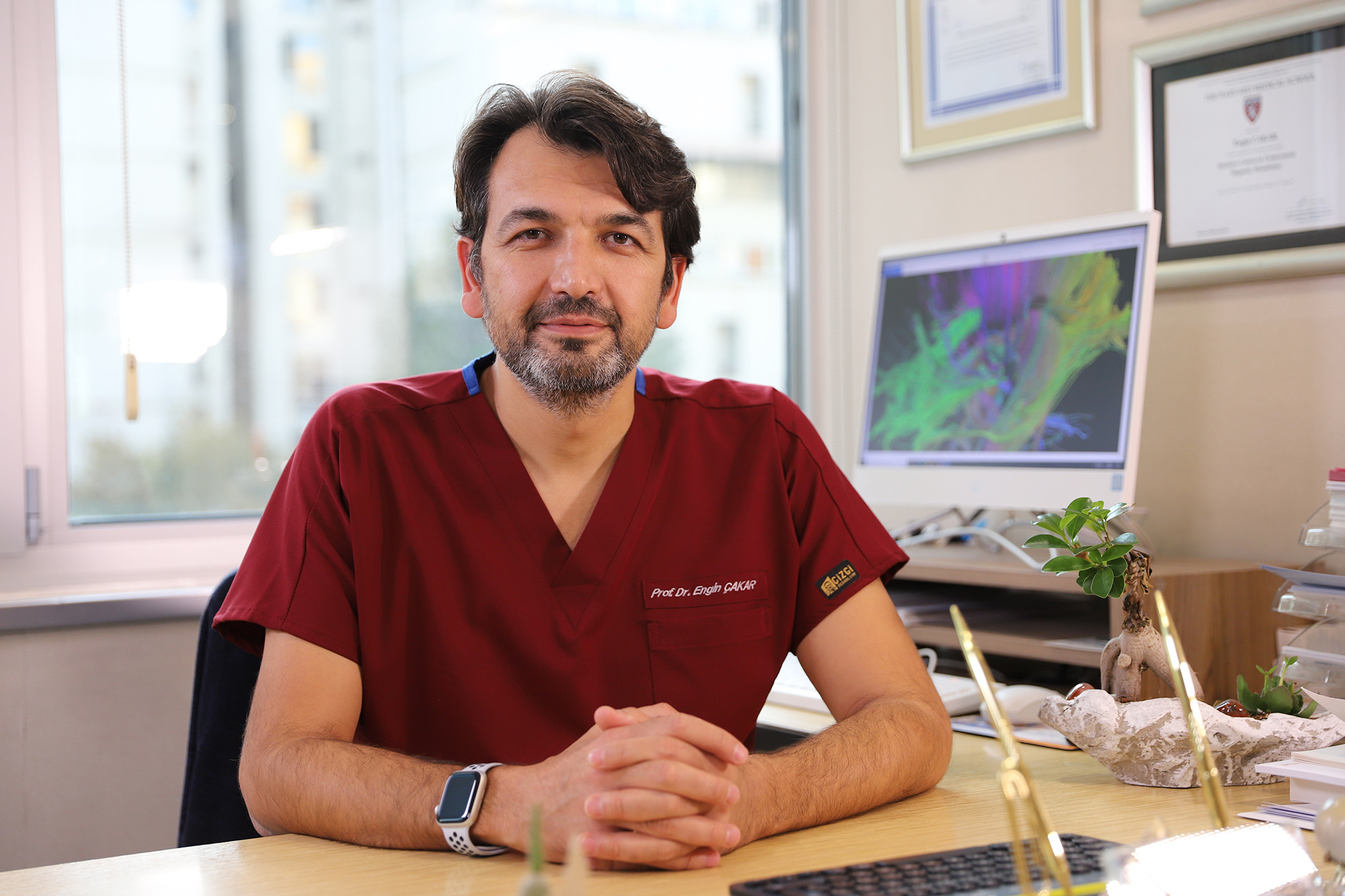 Prof. Dr. Engin Çakar · Physical Medicine & Rehabilitation
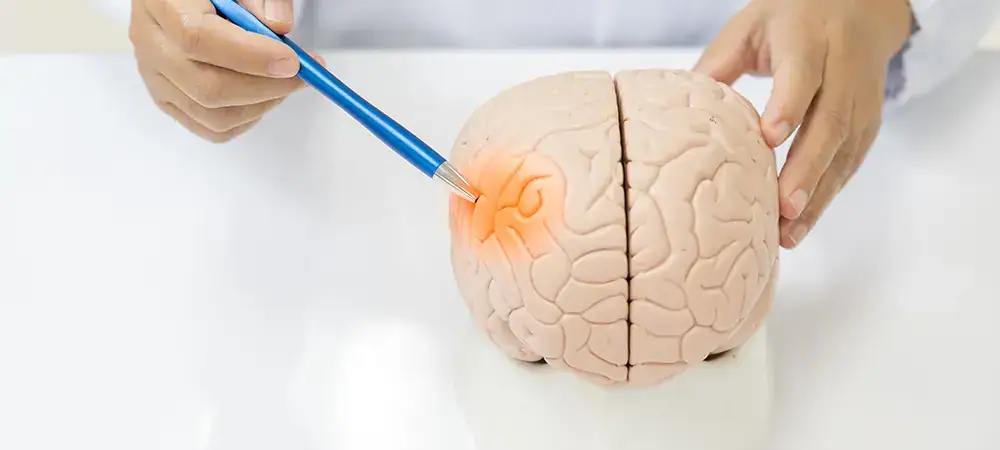
Brain damage refers to the destruction or deterioration of brain cells. It can follow a sudden event or develop over time, and its effects depend on which parts of the brain are affected and how severely.
Types and Causes
Brain damage is broadly divided into two types. Traumatic brain injury results from an external force — falls, road accidents, sports injuries or assaults. Acquired (non-traumatic) brain injury results from internal events such as stroke, lack of oxygen (hypoxic or anoxic injury), infection, tumours or poisoning.
Symptoms
Effects range widely. Physical symptoms may include weakness, poor coordination, fatigue, headaches or seizures. Cognitive effects can involve memory, attention, and problem-solving. There may also be difficulties with speech and communication, and emotional or behavioural changes such as mood swings, irritability or depression.
Diagnosis
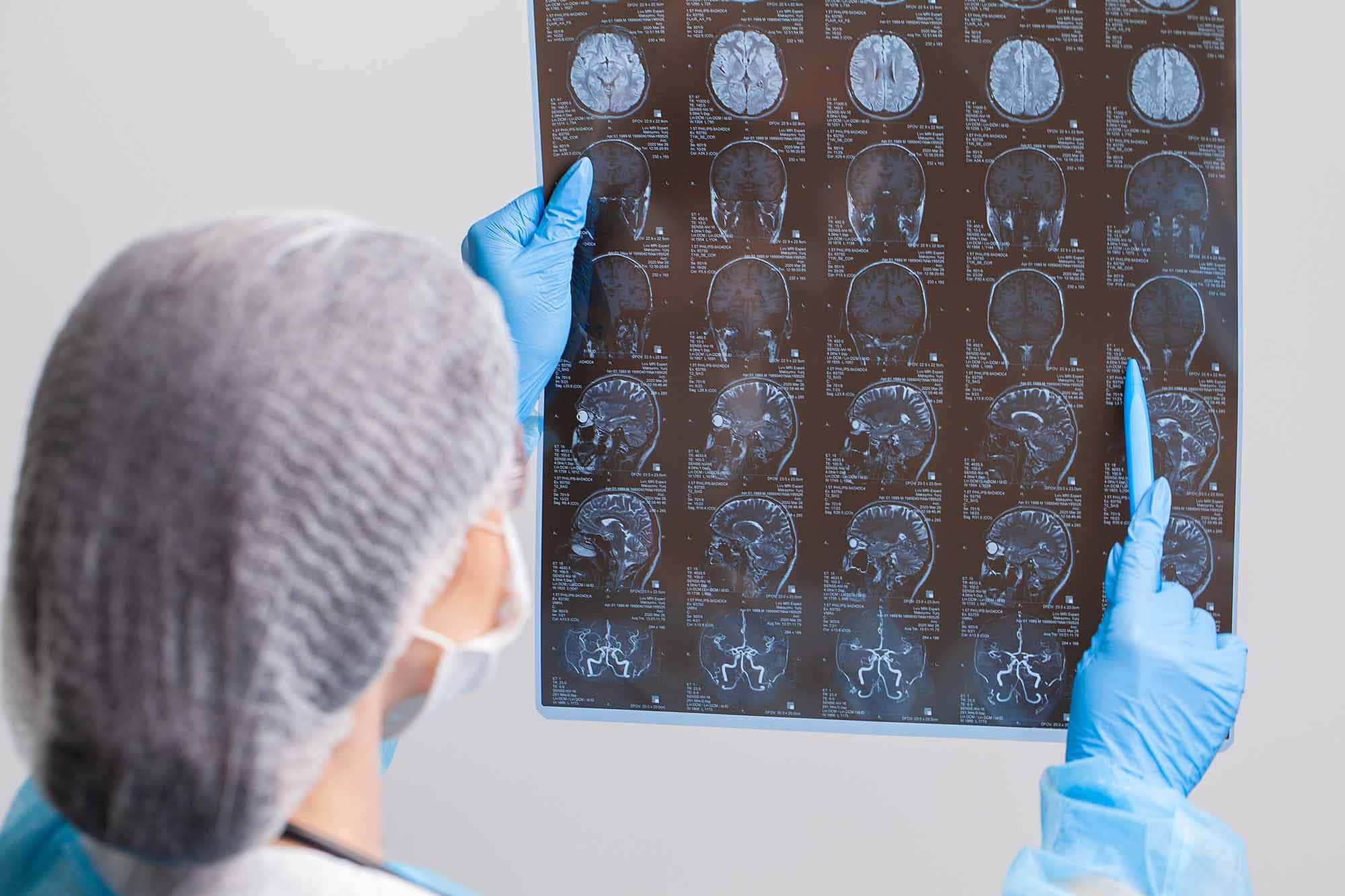
Assessment uses clinical examination and imaging such as CT or MRI, along with cognitive and functional testing to map the areas and severity affected.
Treatment and Rehabilitation
After emergency care to stabilise and limit damage, recovery relies on structured neuro-rehabilitation — physiotherapy, occupational therapy, speech and language therapy, and cognitive and psychological support. The brain's capacity to relearn (neuroplasticity) means that, with early and intensive specialist rehabilitation, many people regain significant function and independence, even if some effects remain.