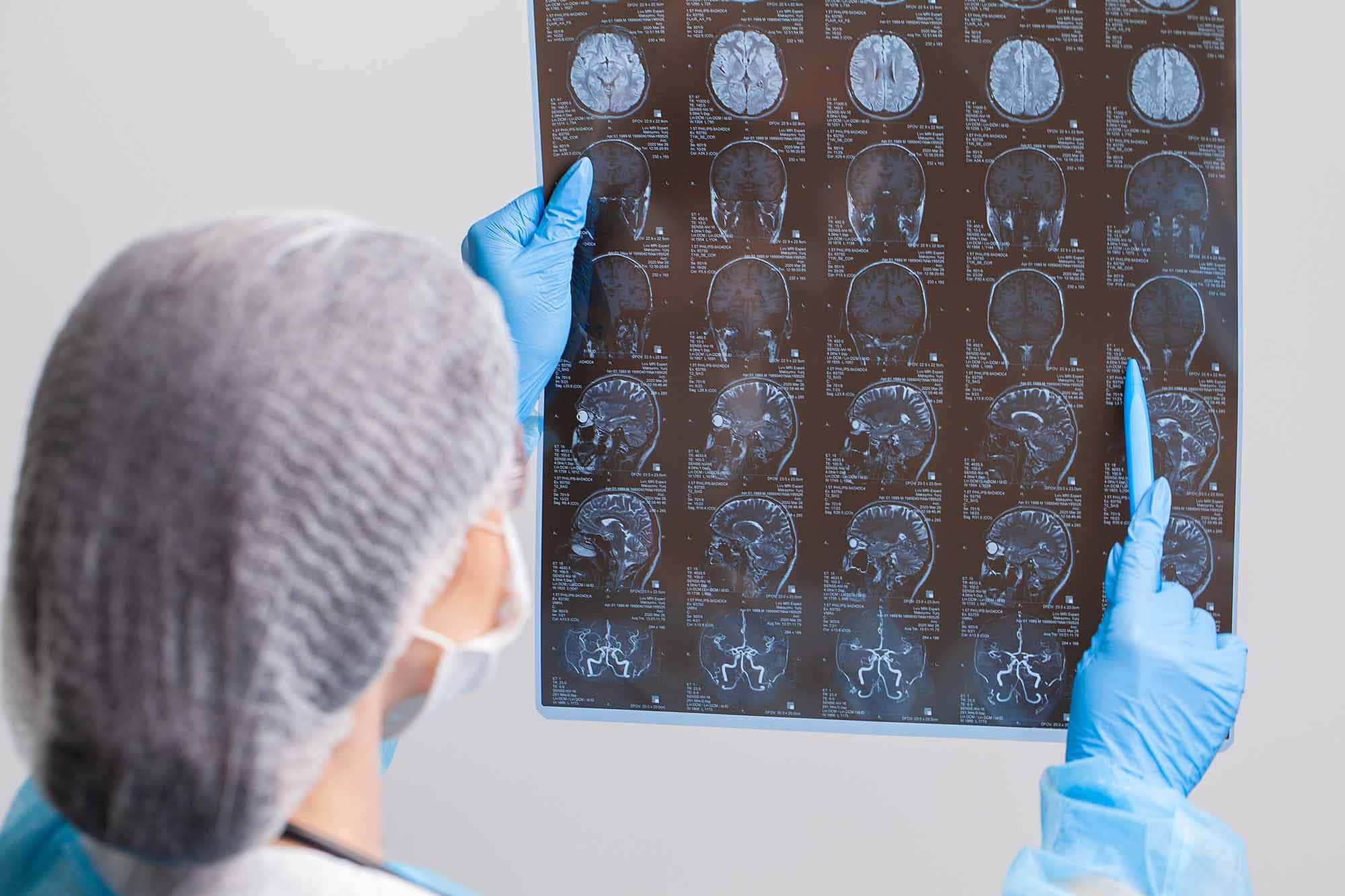
Brain injury
What Is an Anoxic Brain Injury? Causes, Symptoms and Treatment
Anoxic brain injury explained — what happens when the brain is fully deprived of oxygen.
 Prof. Dr. Engin Çakar · Physical Medicine & Rehabilitation
An anoxic brain injury occurs when the brain is completely deprived of oxygen. Brain cells need a constant oxygen supply, and without it they begin to die within minutes, making this a medical emergency. (A partial reduction in oxygen is called a hypoxic injury.)
Causes
Anoxic injury can result from cardiac arrest, choking or suffocation, drowning, severe asthma attacks, carbon monoxide or other poisoning, drug overdose, or complications during anaesthesia — anything that stops oxygen reaching the brain.
Symptoms
Effects depend on how long the brain was without oxygen and which regions were affected. They can include confusion, memory and concentration problems, difficulty with coordination, speech or vision, mood and behaviour changes, seizures, movement disorders, and in severe cases prolonged reduced consciousness.
Treatment and Rehabilitation
Emergency treatment restores oxygen and stabilises the patient as quickly as possible to limit damage. Recovery then depends on structured neuro-rehabilitation: physiotherapy for movement and balance, occupational therapy for daily skills, speech and language therapy, and cognitive rehabilitation for memory and thinking, along with emotional support for patient and family.
Outlook
Recovery varies widely — some people regain considerable function while others have lasting difficulties. Early, intensive and specialist rehabilitation offers the best chance of meaningful improvement.