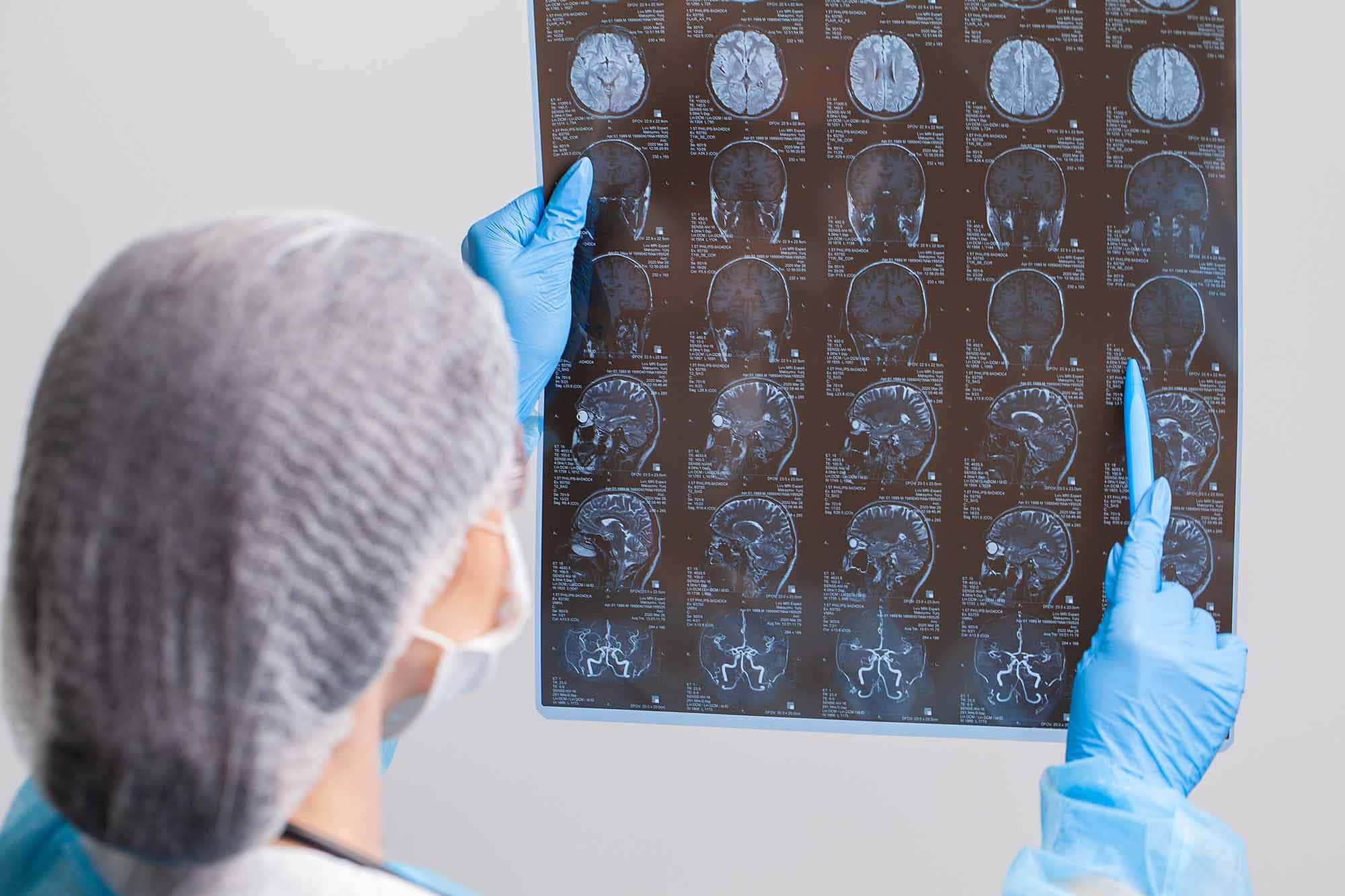
Brain injury
Recovery Process After Brain Hemorrhage
Recovery after brain hemorrhage varies by patient; early treatment, multidisciplinary rehabilitation and robotic therapy improve outcomes.
 Prof. Dr. Engin Çakar · Physical Medicine & Rehabilitation
Brain hemorrhage involves blood spreading into brain tissues due to ruptured veins, causing neuron death through tissue pressure. 10-15% of all the strokes are caused by brain hemorrhage. Classification depends on location: cerebral, subdural, or subarachnoid hemorrhage, with clinical presentation varying accordingly.
Why Does Brain Hemorrhage Happen?
Brain hemorrhage happens most frequently because of high blood pressure. Prolonged hypertension weakens blood vessel walls, increasing rupture risk—a preventable condition through proper management. Head trauma represents another common cause, particularly in individuals under fifty years old. Aneurysms resulting from blood vessel wall weakness can rupture and trigger bleeding. Additional risk factors include abnormal blood vessel structure, bleeding disorders, excessive alcohol consumption, and substance abuse.
Cerebrovascular accidents occur when the blood stream is prevented, potentially causing temporary or permanent brain function disruption. Insufficient oxygen delivery to neurons from embolism or hemorrhage can result in lasting neurological injury.
Recovery Process after Brain Hemorrhage
Recovery process after brain hemorrhage may happen differently in every patient. Individual treatment planning becomes essential during this complex phase requiring coordinated multidisciplinary medical efforts. Critical recovery factors include the location and severity of the bleeding, making the intervention promptly and correctly, and rehabilitation engagement.
Statistics indicate forty percent of hemorrhage patients die within the initial month, while half of survivors experience severe disability. Intensive care becomes necessary for patients experiencing coma, breathing difficulties, or requiring sedation. Medical intervention may address increased intracranial pressure or bleeding control, though medication management suffices in some cases.
In case of brain hemorrhage, better results are obtained with early treatment. Patients demonstrating better comprehension, learning capacity, and active participation show improved physical therapy outcomes. Recovery timelines vary significantly based on affected brain region and injury severity. Mild paralysis typically shows improvement within 3-6 months, though fine motor skill recovery requires extended periods. Severe paralysis cases may necessitate years of rehabilitation or result in permanent functional limitations.
Physical Therapy and Rehabilitation in Brain Hemorrhage
Physical therapy and Rehabilitation applications start from the earliest period once life-threatening conditions stabilize. Initial interventions include positioning and passive joint range exercises preventing pressure sores, stiffness, and muscle contractures, even during unconsciousness.
Conscious patients with voluntary movement capability progress to active exercises emphasizing neuroplasticity stimulation—the brain's innate recovery potential. Electrical muscle stimulation prevents atrophy while strengthening affected muscles. Progressive mobility goals include bed-based movements, seated balance development, standing, and walking exercise initiation when appropriate.
Occupational therapy develops daily living skills, hand dexterity, and cognitive abilities. Respiratory, speech, and swallowing therapies address specific deficits when necessary. Orthotic devices may prevent stiffness or facilitate ambulation.
As you see, recovery process after brain hemorrhage necessitates an experienced-special team and multidisciplinary teamwork. A physical medicine and rehabilitation physician coordinates the specialized team comprising physiotherapists, occupational therapists, rehabilitation nurses, dietitians, speech-swallowing therapists, respiratory specialists, and orthotic technicians, with additional specialists added as clinical needs dictate.
Robotic Physical Therapy in Brain Hemorrhage
Effective brain hemorrhage rehabilitation requires intense, repetitive and task-oriented movements. Such exercises improve arm and leg function in paralyzed patients. An important way of reaching the needed exercise intensity of brain hemorrhage treatment is usage of robotic devices.
The Erigo Pro robotic bed facilitates early vertical positioning and passive walking, preventing cardiovascular deconditioning and joint stiffness while promoting environmental awareness and social motivation.
The Lokomat Pro gait robot enables upright positioning with near-natural walking patterns. The device completes movements patients cannot independently perform, retraining brain-limb connections. Gamified walking exercises on-screen enhance motivation and endurance.
The Alter G anti-gravity treadmill assists patients who reach intermediate treatment stages but cannot walk independently. The body weight of the patient can be decreased up to 80% per cent in comparison to gravity. This reduces demands on weakened muscles while building strength and confidence in a fall-safe environment.
The Armeo Power hand-arm robot enables aim-oriented exercised to the patient with more intensity. Functional activity simulation proves more effective than repetitive aimless movements. The device provides variable support levels, adjusting as hand-arm function improves, thereby maximizing patient participation and brain relearning stimulation.
Originally published on the doctor's site