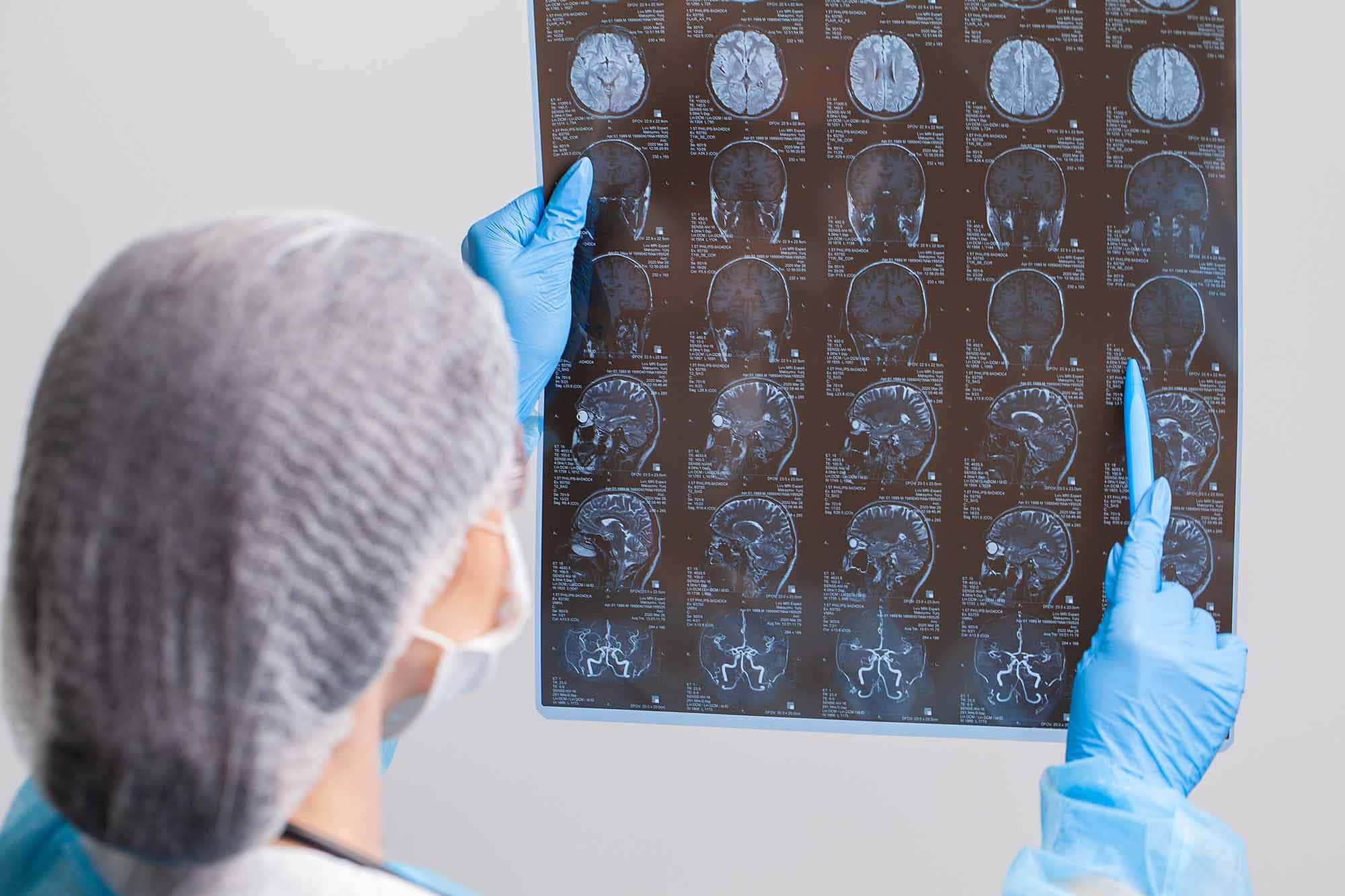
Brain injury
Psychological Effects of Brain Injury
Brain injury affects more than physical health — this article looks at its cognitive, emotional and social effects and how to support recovery.
 Prof. Dr. Engin Çakar · Physical Medicine & Rehabilitation
Brain injuries affect not only physical health but also psychological wellbeing. Damage can disrupt the brain's networks and change thinking, emotions, behaviour and relationships. Recognising these effects helps patients, families and clinicians provide the right support.
Cognitive Impairments
Attention and concentration may suffer, with difficulty filtering distractions or multitasking. Memory problems are common — forgetting recent events, struggling to form new memories, or gaps in long-term recall. Executive functions such as planning, problem-solving and self-regulation can also be impaired.
Emotional and Behavioural Changes
Depression and anxiety are more likely after brain injury, alongside mood swings, irritability and emotional lability. Reduced impulse control and impaired judgement can make it harder to follow social norms.
Social and Interpersonal Effects
Maintaining relationships can become difficult, leading to isolation and loneliness. Communication — both expressing and understanding language and nonverbal cues — may be affected, and family dynamics often shift as caregiving needs grow.
Post-Traumatic Stress
PTSD is common after traumatic brain injury, with intrusive memories, hypervigilance and heightened startle responses. Integrated treatment addressing both the injury and PTSD — psychotherapy such as CBT or EMDR, and medication where appropriate — can help.
Support and Recovery
With a multidisciplinary approach combining rehabilitation, counselling and community resources, many people with brain injuries improve their quality of life and regain a sense of wellbeing.