Rehabilitation technology
Lokomat Walking Robot
Robot-assisted gait training with the Lokomat helps patients relearn to walk after stroke, spinal cord and brain injury.
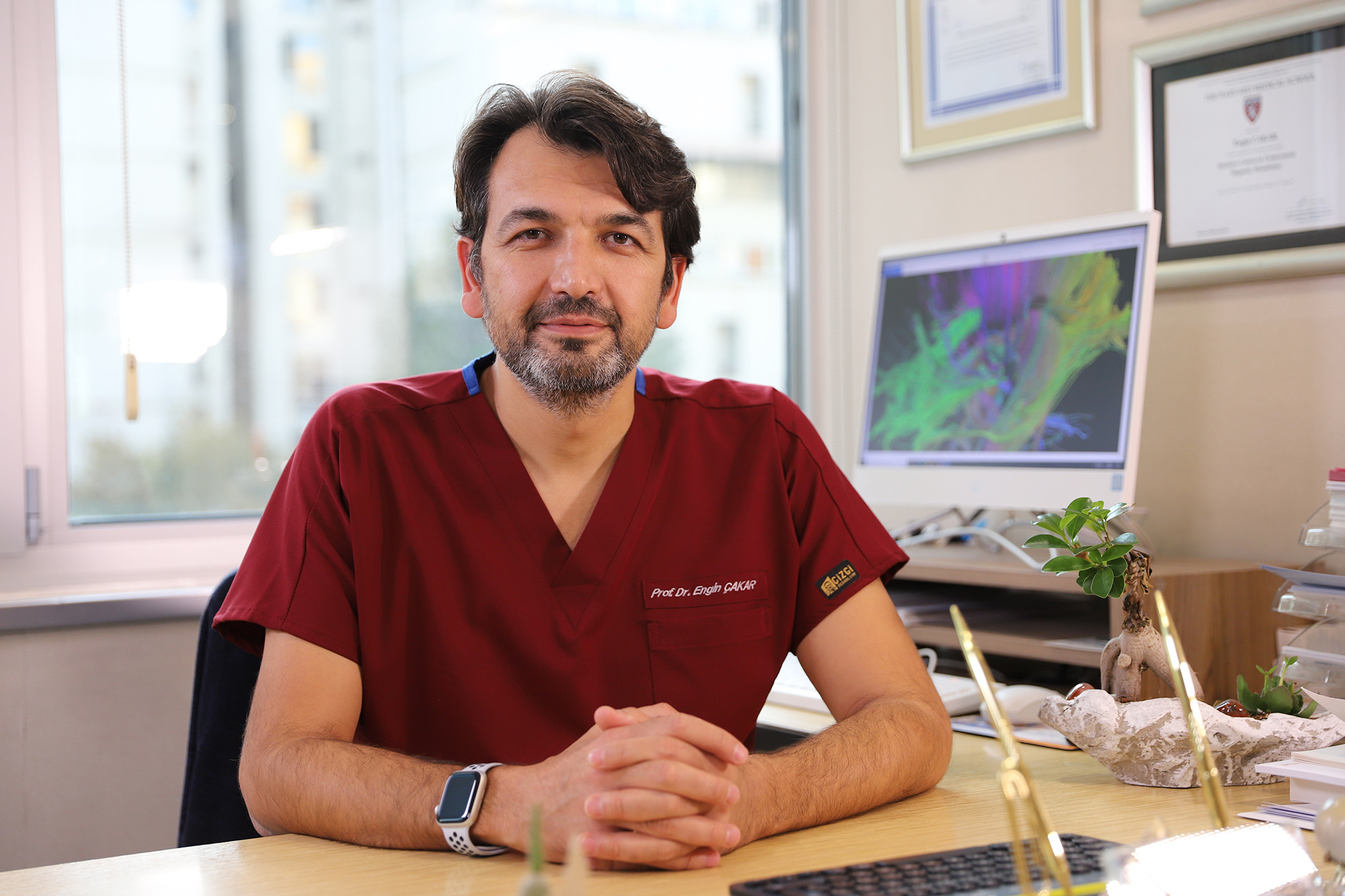 Prof. Dr. Engin Çakar · Physical Medicine & Rehabilitation
The Lokomat is an advanced robotic gait-training system used in neuro-rehabilitation to help people relearn to walk after stroke, spinal cord injury, brain injury and other neurological conditions.
How It Works
The patient is supported in a harness over a treadmill while robotic leg braces guide the legs through a natural, repeatable walking pattern. Body-weight support can be adjusted so that even patients who cannot yet stand unaided can practise walking safely. The system precisely controls each step, allowing far more repetitions than manual therapy.
Why It Helps
Recovery of walking depends on intensive, task-specific practice that drives neuroplasticity — the brain and spinal cord relearning movement. The Lokomat delivers a high number of correct, consistent steps, keeps patients engaged with interactive on-screen feedback and games, and reduces the physical strain on therapists, allowing longer, more effective sessions.
Who Benefits
It is used for patients at many stages of recovery, from early rehabilitation to those refining their gait. Progress is measured objectively, and the level of support and challenge is adjusted as the patient improves. As part of a comprehensive rehabilitation programme, robot-assisted gait training can help patients regain strength, coordination and confidence in walking.


