Rehabilitation technology
Stryker Mako Robotic-Arm Surgery for Knee and Hip Replacement
How the Stryker Mako robotic-arm system improves precision in knee and hip replacement surgery.
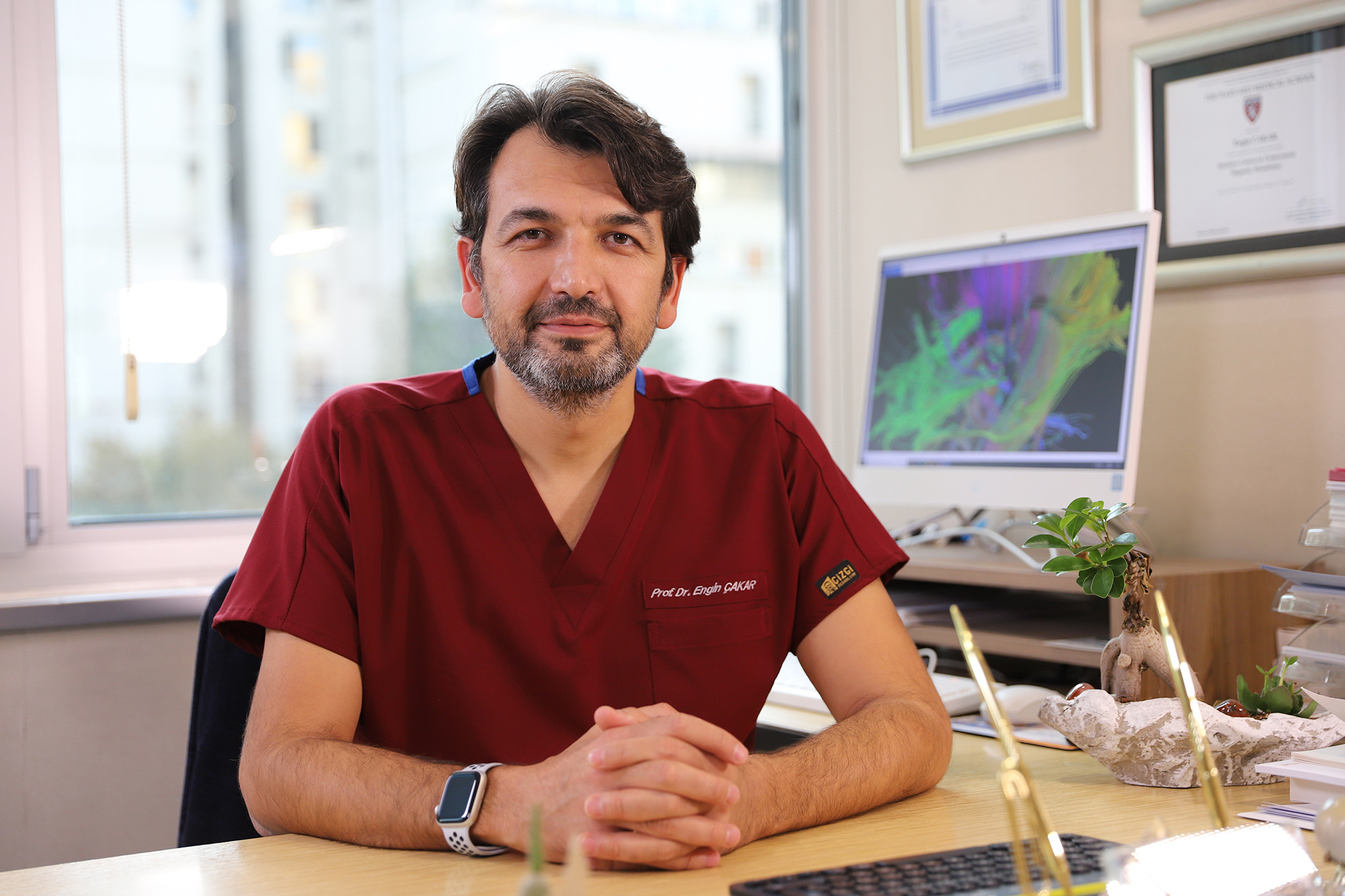 Prof. Dr. Engin Çakar · Physical Medicine & Rehabilitation
Stryker Mako is a robotic-arm-assisted system used in knee and hip replacement surgery to improve planning and precision. The robot does not perform the operation — it helps the surgeon carry out the plan with great accuracy.
How It Works
Before surgery, a CT scan is used to build a detailed 3D model of the patient's joint. The surgeon uses this to create a personalised surgical plan — the exact implant size, position and alignment. During the operation, the robotic arm guides the surgeon within the planned boundaries, allowing very precise bone preparation and implant placement.
Why It Helps
Greater precision in implant positioning and alignment can mean a more natural-feeling joint, potentially less damage to surrounding healthy tissue, and a well-balanced result. Accurate planning and placement may support a smoother recovery and long-term implant performance.
Who It Is For
Mako-assisted surgery is used for partial and total knee replacement and for total hip replacement. As with any procedure, suitability depends on the individual, and the surgeon's skill and experience remain central — the technology is a tool that helps an expert deliver a precise, personalised result. Rehabilitation afterwards is still essential to a full recovery.


