Brain injury
How Does Recovery Progress After Brain Hemorrhage?
Recovery after brain hemorrhage depends on early treatment, damage extent, and an intensive, individualized neuro-rehabilitation program.
 Prof. Dr. Engin Çakar · Physical Medicine & Rehabilitation
My father had a brain hemorrhage, he started to give response gradually. What happens after this reaction? How does the recovery from a brain hemorrhage progress?
To answer how recovery after a brain hemorrhage will happen, it is important to know these in the first place:
How was the brain hemorrhage treated in the early period?
Was the medication sufficient?
Did an intervention happen with interventional radiologic procedure?
Did the patient need brain surgery?
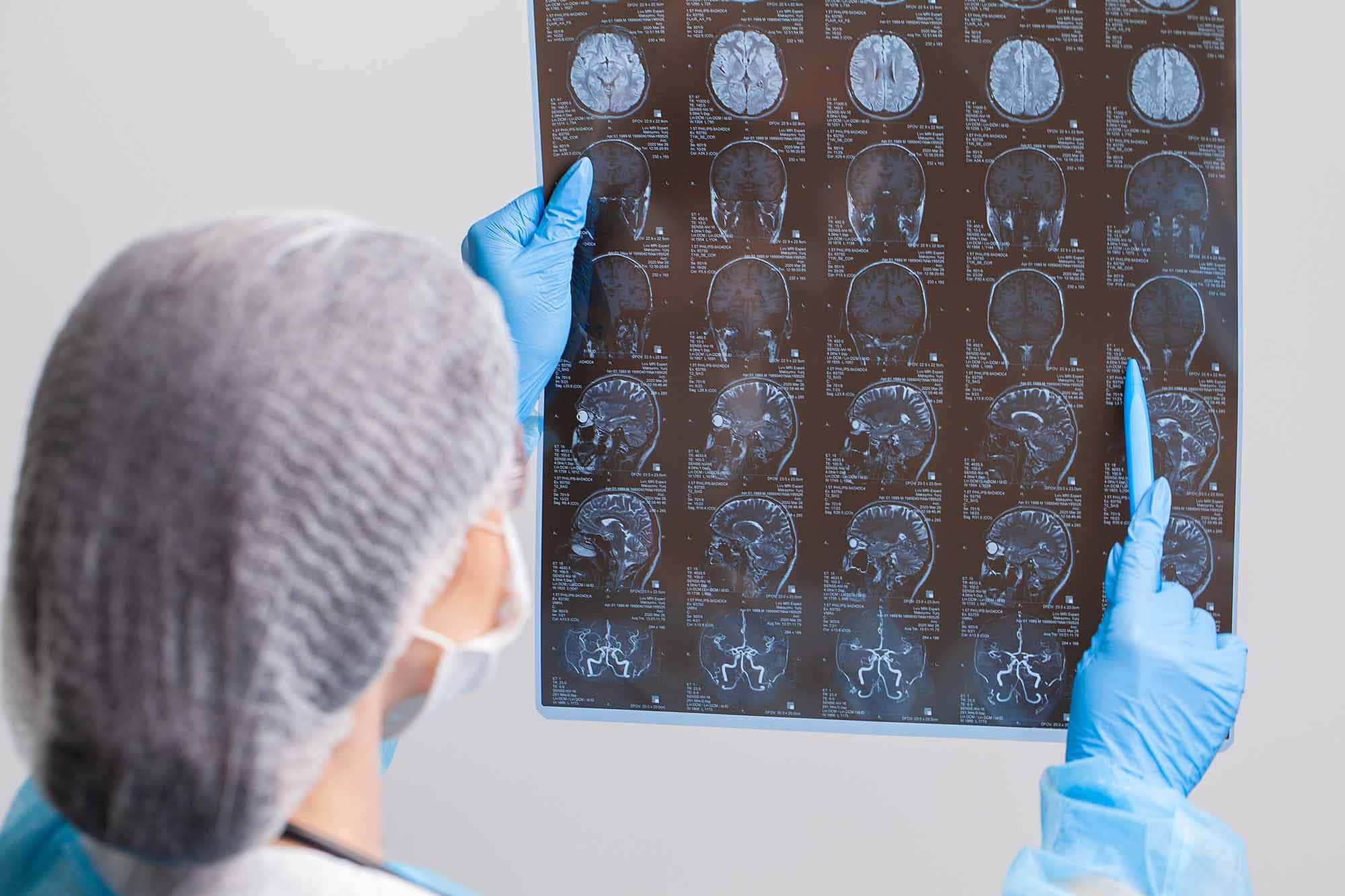
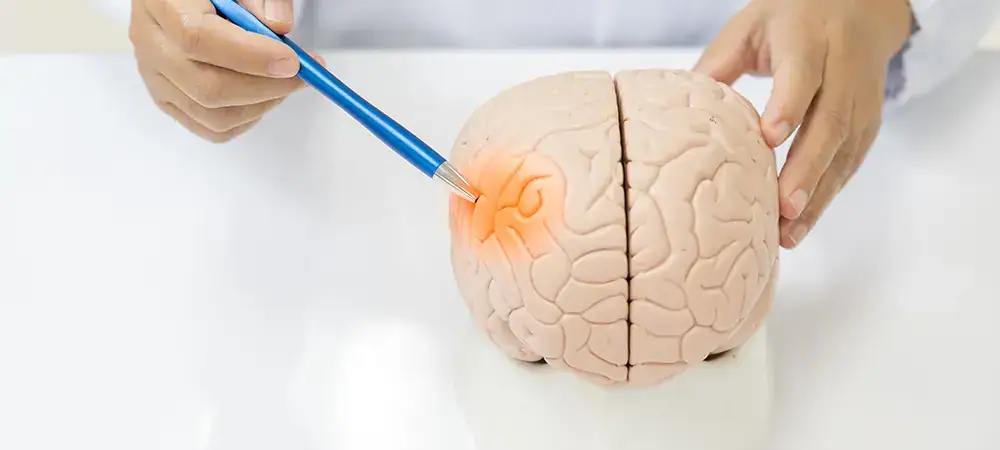
After that, it is important to know which blood vessel in the brain bled, how much tissue got damaged, and whether it caused edema in the brain that will harm other tissues.
The situation in the patient after a brain hemorrhage completely depends on the individual. Beyond how the brain was affected and the extent of damage, the patient's age and pre-existing conditions such as heart disease, diabetes, arrhythmia, or cancer also affect recovery.
What Do We Do During the Recovery Process?
When the patient has a stroke caused by brain hemorrhage and is taken to intensive care, we evaluate the patient and start physical therapy service as soon as the situation stabilizes. We begin preventive treatments against joint stiffness, blood clots in veins, and pressure wounds, along with passive physical therapy applications. This protects the patient's joints and prevents additional complications until more intensive treatment begins.
When the patient survives the intensive care phase and moves to inpatient service with stable medical findings, we send them to the physical therapy and rehabilitation clinic. We perform specialized stroke and paralysis treatments along with neuro-rehabilitation applications.
Recovery involves:
Stimulating the patient's brain for healing with a comprehensive and intensive rehabilitation program containing physiotherapy applications
Treatment with electric currents
Ergotherapy
Robotic physical therapy applications
Speech and swallowing therapy
However, an exact recovery duration cannot be determined, as brain injury and recovery is unique to each patient. Patients and their relatives should focus on committing to the treatment program. Those who returned to daily life and work after intensive physical therapy were those who did not give up and persevered throughout their treatment.
Originally published on the doctor's site