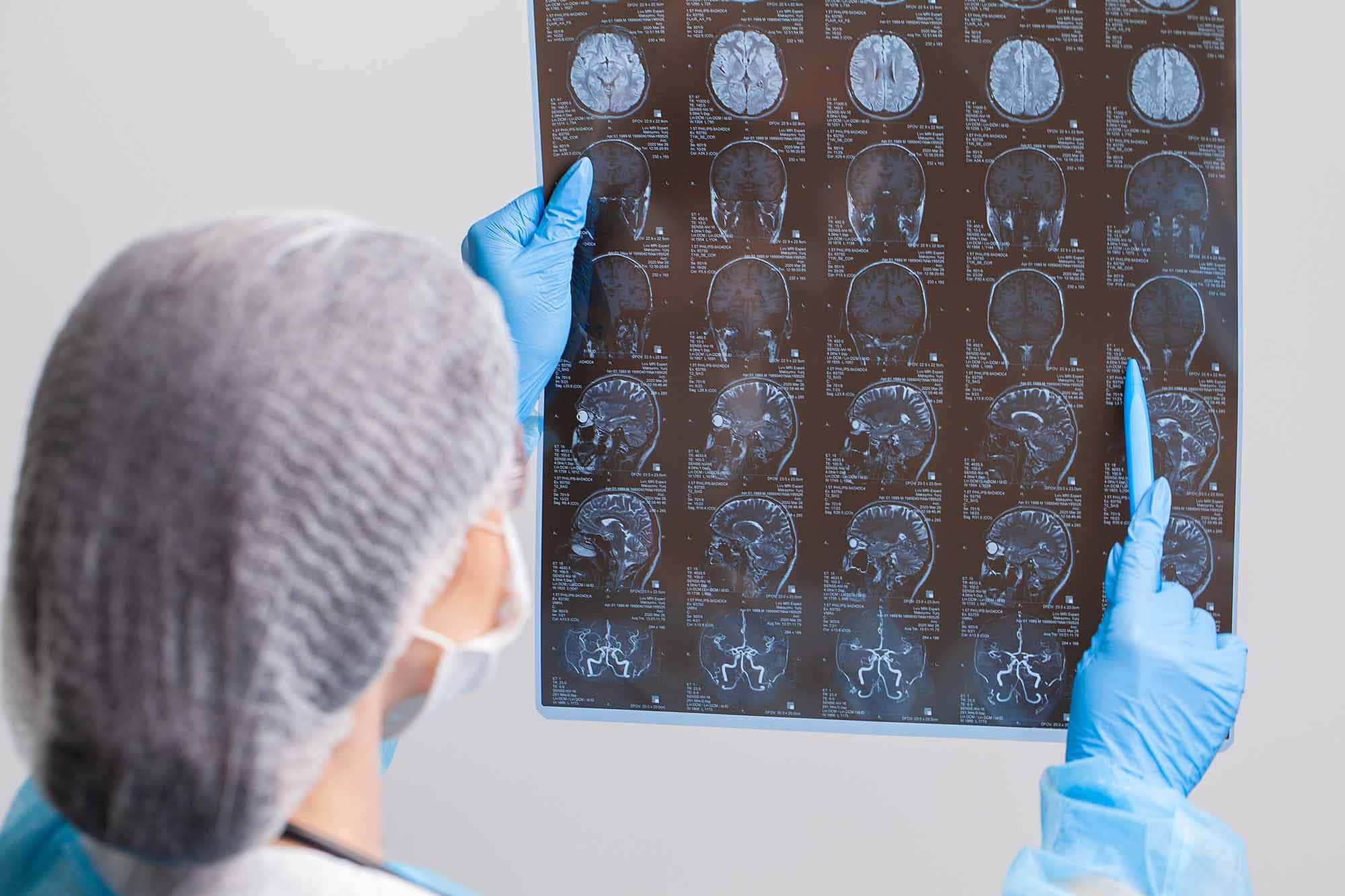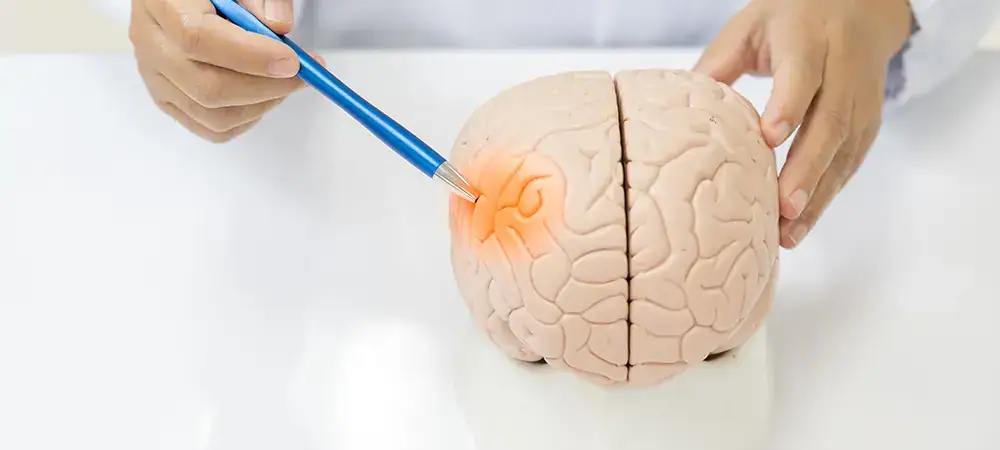
Brain injury
10 Stages of Brain Injury Recovery: A Comprehensive Guide
A guide to the stages of recovery after a brain injury, from acute care to long-term adaptation.
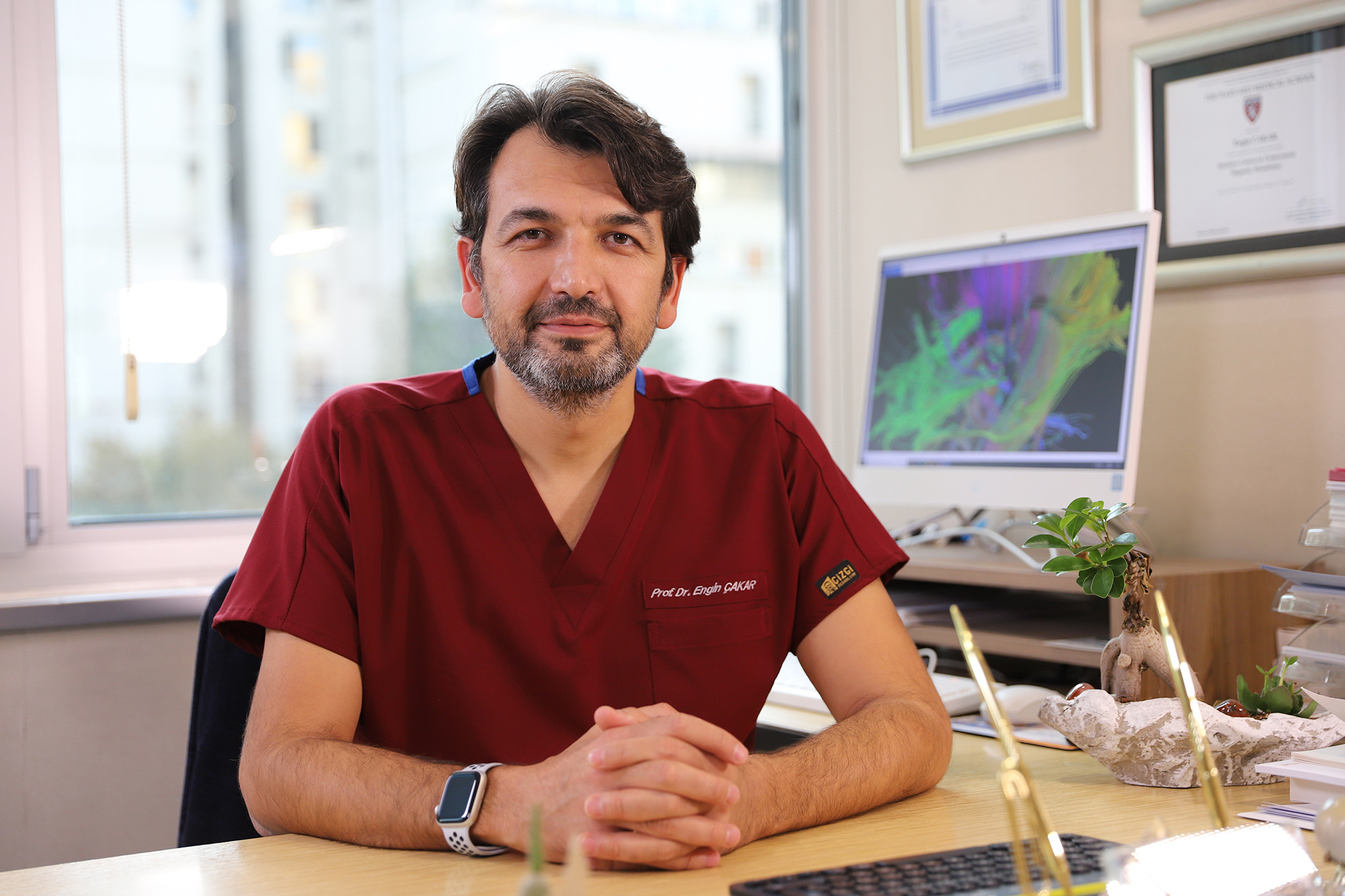 Prof. Dr. Engin Çakar · Physical Medicine & Rehabilitation
Recovery after a brain injury is a gradual, individual journey. Clinicians often describe it in stages, which help families understand what to expect and set realistic goals.
Acute and Early Stages
The first stage is emergency and acute care, focused on stabilising the patient and limiting further damage. As consciousness returns, patients may pass through periods of reduced responsiveness and confusion (post-traumatic amnesia), often with agitation as awareness increases.
Rehabilitation Stages
As the person stabilises, structured rehabilitation begins. Physical, occupational and speech therapy rebuild movement, daily skills and communication. Progress moves from needing full assistance, to needing supervision, to increasing independence. Cognitive skills — attention, memory and problem-solving — are retrained alongside physical function.
Community and Long-Term Stages
Later stages focus on returning to home, community and, where possible, work or study. Emotional and behavioural support helps with mood, motivation and relationships. In the long term, the emphasis is on maintaining gains, adapting to any lasting changes, and maximising quality of life.
Every brain injury is different, and people progress at their own pace, sometimes plateauing or moving between stages. Consistent, specialist neuro-rehabilitation gives the best chance of meaningful recovery.