Stroke recovery
Why Does Swallowing Disorder Happen in Stroke Patients?
Dysphagia is a common stroke complication caused by brain damage, muscle weakness, sensory loss and cognitive impairment affecting swallowing.
 Prof. Dr. Engin Çakar · Physical Medicine & Rehabilitation
Swallowing disorders, also known as dysphagia, are a common complication in stroke patients. The swallowing process requires coordinated effort from muscles and nerves, and when paralysis disrupts this balance, it can cause significant problems with eating and drinking.
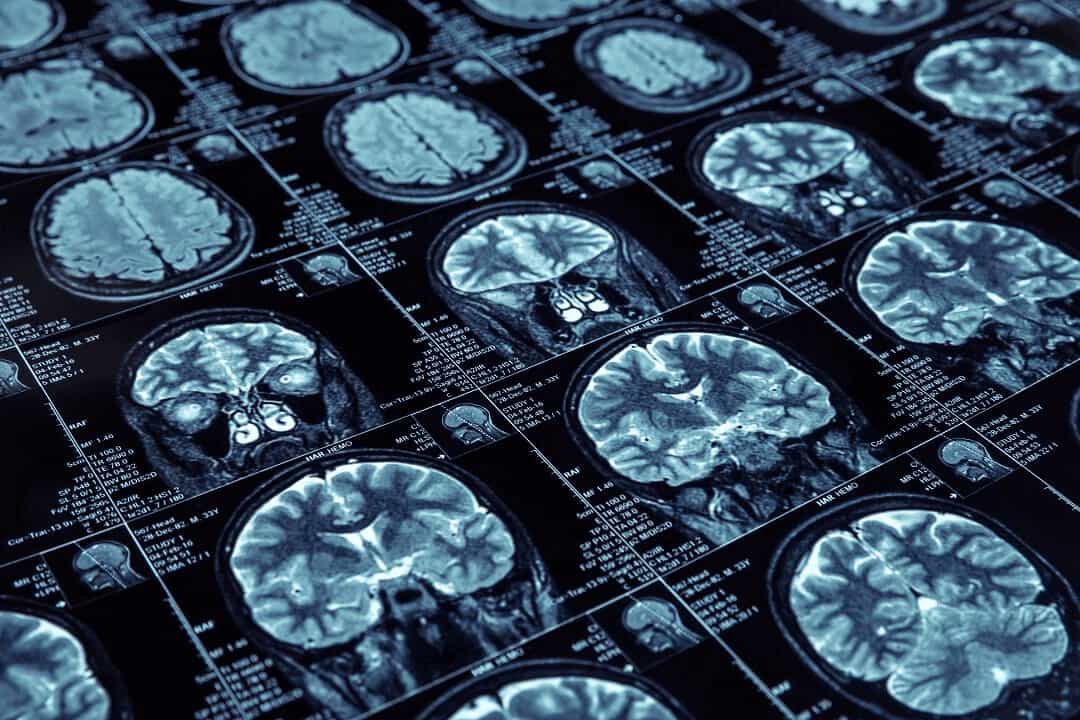
One main cause of swallowing disorders in stroke patients is damage to brain areas responsible for coordinating swallowing functions. When a stroke occurs, blood flow to the brain is disrupted, leading to oxygen insufficiency and damage to critical areas such as the brain stem and cranial nerves. These areas control the movements required for safe and effective swallowing.
Swallowing happens in four stages: the oral preparatory stage, the oral transit stage, the pharyngeal stage, and the esophageal stage. The severity of dysphagia generally depends on the size and location of the stroke.
Muscle weakness is another important factor contributing to swallowing disorders. Weakness in mastication and swallowing muscles can result from the stroke or prolonged immobility during recovery. This weakness may lead to problems transferring food from the mouth to the esophagus and increase aspiration risk, potentially causing pneumonia and other respiratory complications.
Sensory loss is a less recognized but important factor in post-stroke swallowing impairment. Stroke patients may experience reduced ability to feel sensations in the mouth and throat, making it difficult to coordinate the swallowing reflex. This sensory insufficiency may contribute to aspiration risk through delayed or inadequate responses.
Cognitive impairments may also heighten swallowing disorders in paralysis patients. Problems with attention, memory, and executive functioning may lead to incorrect swallowing techniques and increased choking risk.
Addressing swallowing disorders is important for nutritional and hydration needs and preventing potentially life-threatening complications. Speech-language therapists play a crucial role in rehabilitation by improving muscle strength, coordination, and sensory awareness. Strategies may include modified diets, exercises, and speech therapy methods tailored to patient needs.
Swallowing disorders in stroke patients involve both physical and cognitive factors. Understanding these causes helps develop effective rehabilitation strategies and improve quality of life. Timely intervention, comprehensive physical therapy, and healthcare professional support can significantly reduce the impact of swallowing impairment and help individuals regain safe eating and drinking abilities.
Originally published on the doctor's site