Stroke recovery
Brain Embolism
Brain embolism causes about 85% of strokes when plaque narrows the arteries; learn its risk factors, treatment and prevention.
 Prof. Dr. Engin Çakar · Physical Medicine & Rehabilitation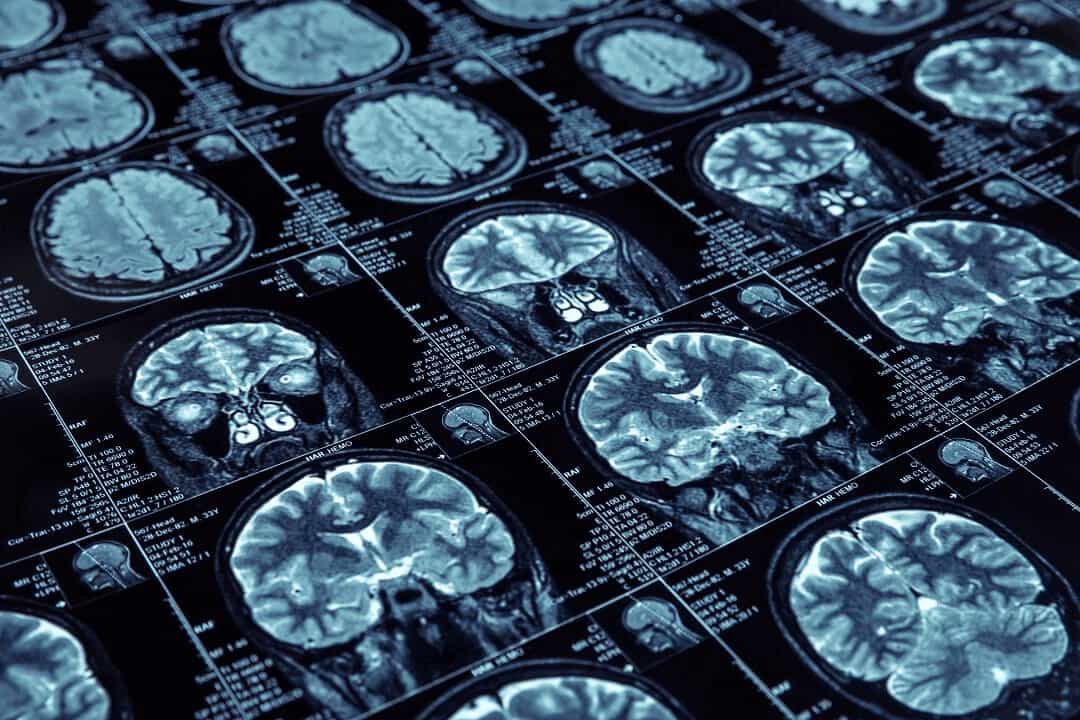
Arteries transport oxygen-rich blood from the heart to the brain and throughout the body. Two carotid arteries, located on both sides of the neck, deliver oxygen to the brain's front regions responsible for cognition, communication, personality, and sensory-motor functions. Fat and cholesterol deposits called plaque can accumulate within these vessels, narrowing them and restricting cerebral blood flow, potentially causing stroke. Brain embolism is responsible for approximately 85% of all strokes.
Cerebrovascular diseases—conditions affecting brain blood vessels—primarily manifest as either ischemic stroke (blockage-related) or hemorrhagic stroke (bleeding-related). These acute events range from complete recovery to fatal outcomes, with neurological consequences depending on injury location.
Ischemia is the term which is used to highlight the absence of blood flow. Ischemic stroke represents the most prevalent stroke type. Vessel diseases cause cerebral blockages.
Atherosclerosis is the predominant degenerative large vessel disease, typically beginning in the second or third life decade and progressing with age. Primary consequences include reduced cerebral perfusion, thrombosis, and embolism. Risk factors encompass elevated cholesterol, hypertension, diabetes, metabolic syndrome, and smoking.
How is Brain Embolism Treated?
Neuro-rehabilitation and robotic rehabilitation should be combined for stroke patients. Serious arterial narrowing and blockage necessitate surgical intervention to restore blood flow and prevent stroke occurrence.
Some patients experience temporary stroke symptoms—termed "minor stroke" or medically "transient ischemic attack (TIA)"—representing significant risk factors preceding severe stroke, particularly with carotid artery involvement.
Lifestyle modifications prove essential for prevention and progression control, including: cessation of alcohol, smoking, and tobacco use; blood pressure and diabetes management; regular medical examinations with lipid panel monitoring; consumption of low saturated fat and cholesterol foods while avoiding trans fats; achievement and maintenance of healthy weight; and consistent physical activity with moderated alcohol consumption.
Originally published on the doctor's site