Stroke recovery
What Percentage of Stroke Patients Make a Full Recovery
How likely is full recovery after a stroke, and what influences the outcome.
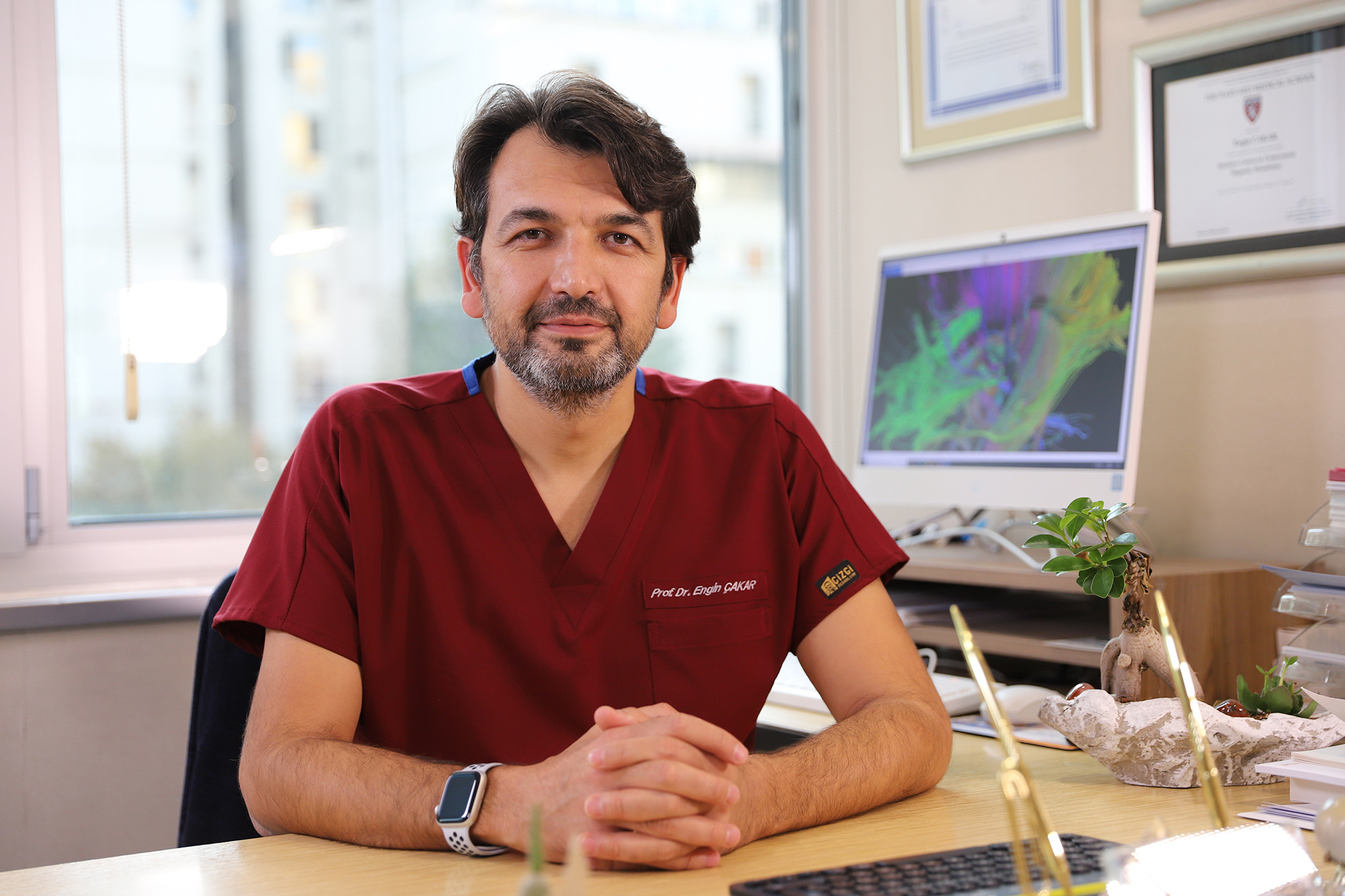 Prof. Dr. Engin Çakar · Physical Medicine & Rehabilitation
Stroke affects millions of people each year, and one of the first questions families ask is how complete recovery can be. The honest answer is that it varies widely, but many people regain meaningful independence.
The General Picture
Broadly, research suggests that around a tenth of stroke survivors recover almost completely, and roughly a quarter recover with only minor impairments. Many more make a good partial recovery with some lasting effects, while a smaller proportion are left with more significant disability. Outcomes have improved as emergency treatment and rehabilitation have advanced.
What Influences Recovery
The outcome depends on the type, size and location of the stroke, how quickly treatment was given, the person's age and general health, and the intensity and timing of rehabilitation. Strokes affecting small areas, treated rapidly, tend to have the best outcomes.
The Role of Rehabilitation
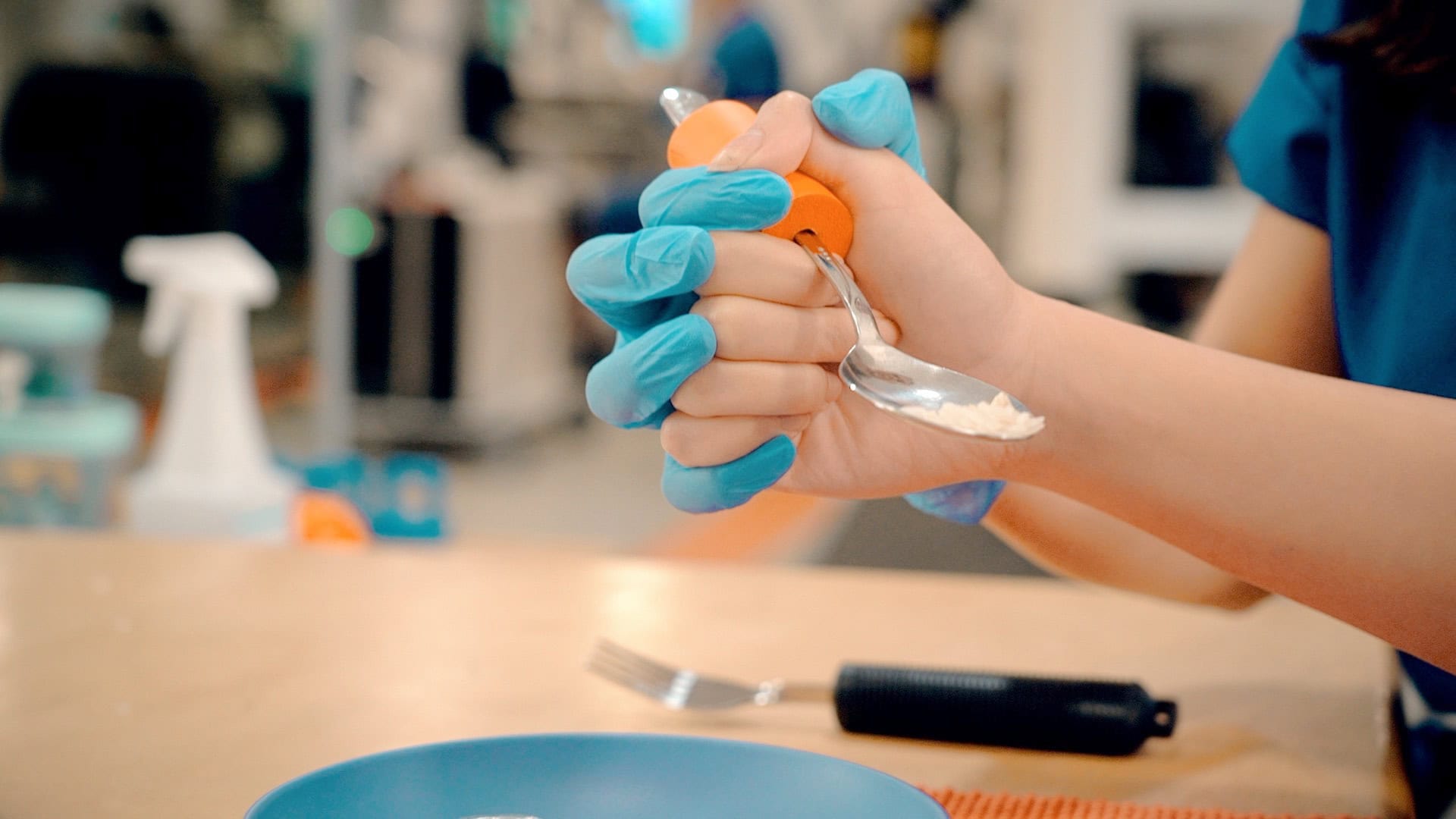
Much recovery happens in the first three to six months, but improvement can continue for a year or more with ongoing therapy. Consistent, specialist neuro-rehabilitation — physiotherapy, occupational, speech and cognitive therapy — combined with motivation and family support, gives the best chance of the fullest possible recovery.
While not everyone returns to exactly how they were before, a great many stroke survivors regain independence and a good quality of life.