Stroke recovery
What Is Right Side Paralysis? Treatment of Right Side Paralysis
Right side paralysis follows a left-hemisphere stroke; learn its symptoms and how neuro-rehabilitation and robotic therapy restore function.
 Prof. Dr. Engin Çakar · Physical Medicine & Rehabilitation
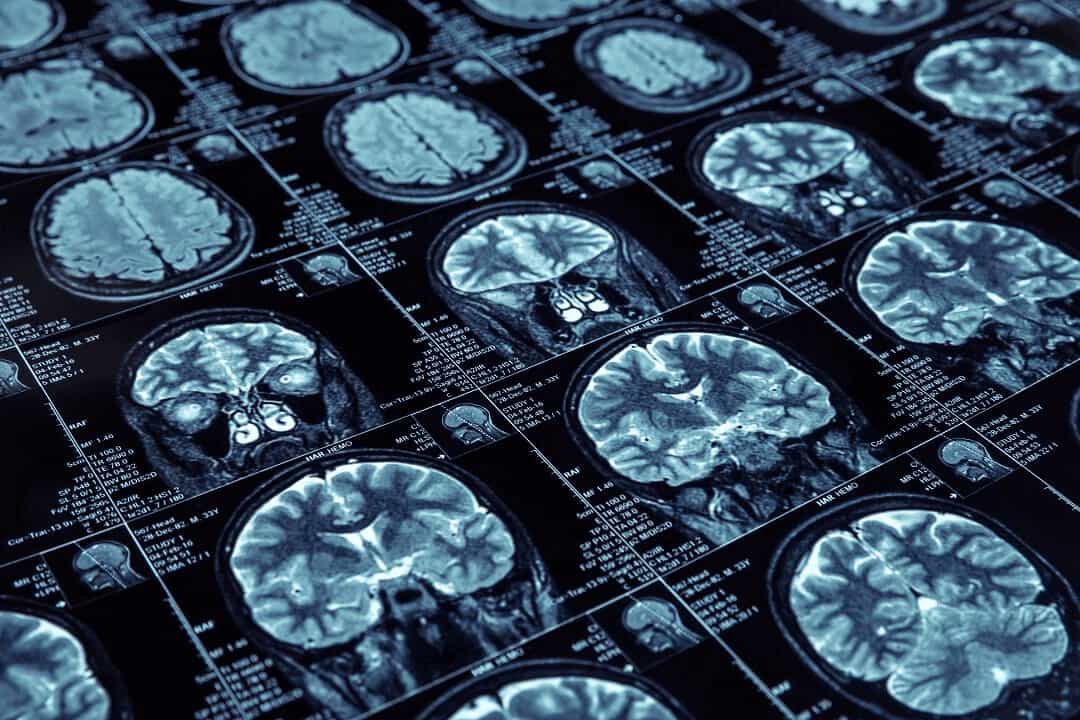
Right side paralysis happens as the result of a stroke occurring in the left hemisphere of the brain. This article addresses what right side paralysis is, which symptoms appear with right-hemiplegia, and how treatment is approached.
Our brain consists of two hemispheres: right and left. Each hemisphere has distinct functions. The left hemisphere is more verbal and analytical compared to the right and is called the "digital brain." It handles analytical thinking, naming, categorizing, and mathematical calculation. Both hemispheres communicate to perform vital functions.
Brain injury caused by brain embolism or brain hemorrhage is called a "stroke." A stroke in the left hemisphere manifests in the left half of the body as partial muscle weakness (hemiparesis) or complete muscle weakness (hemiplegia). The right arm, right leg, and right face muscles may be affected when damage occurs on the left hemisphere.
What are the Symptoms of Right Side Paralysis?
The left hemisphere controls the right half of the body. If stroke occurs in the left hemisphere, the right half is affected and some or all symptoms below appear:
Paralysis or weakness in the right side of the body
Visual disorders or loss
Problems understanding language
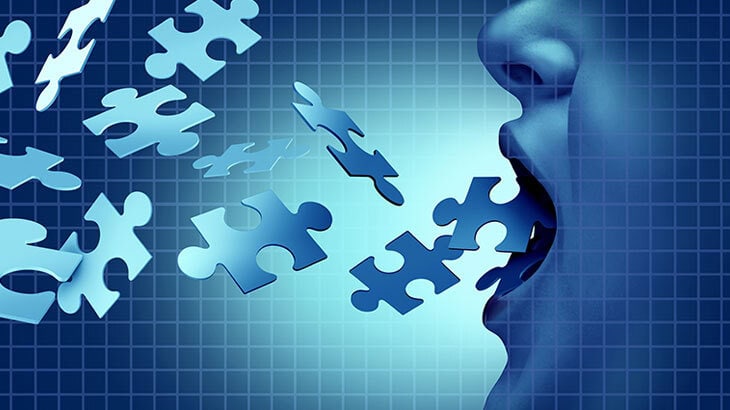
Speech and language disorders (aphasia)
Disorders in identifying objects (agnosia)
Deterioration in mathematical calculation abilities, organizing items, reasoning and analyzing
Deterioration in reading, writing and learning new information
Behavioral alterations like depression
Problems with memory and recollection
Right Side Paralysis Treatment
Physical therapy, rehabilitation, and especially neuro-rehabilitation are used to reteach abilities lost suddenly when brain tissue is partially damaged. Stroke rehabilitation represents teamwork and requires specialized physical therapy clinics. Protecting individuals from potential medical complications alongside paralysis treatment remains essential during recovery.
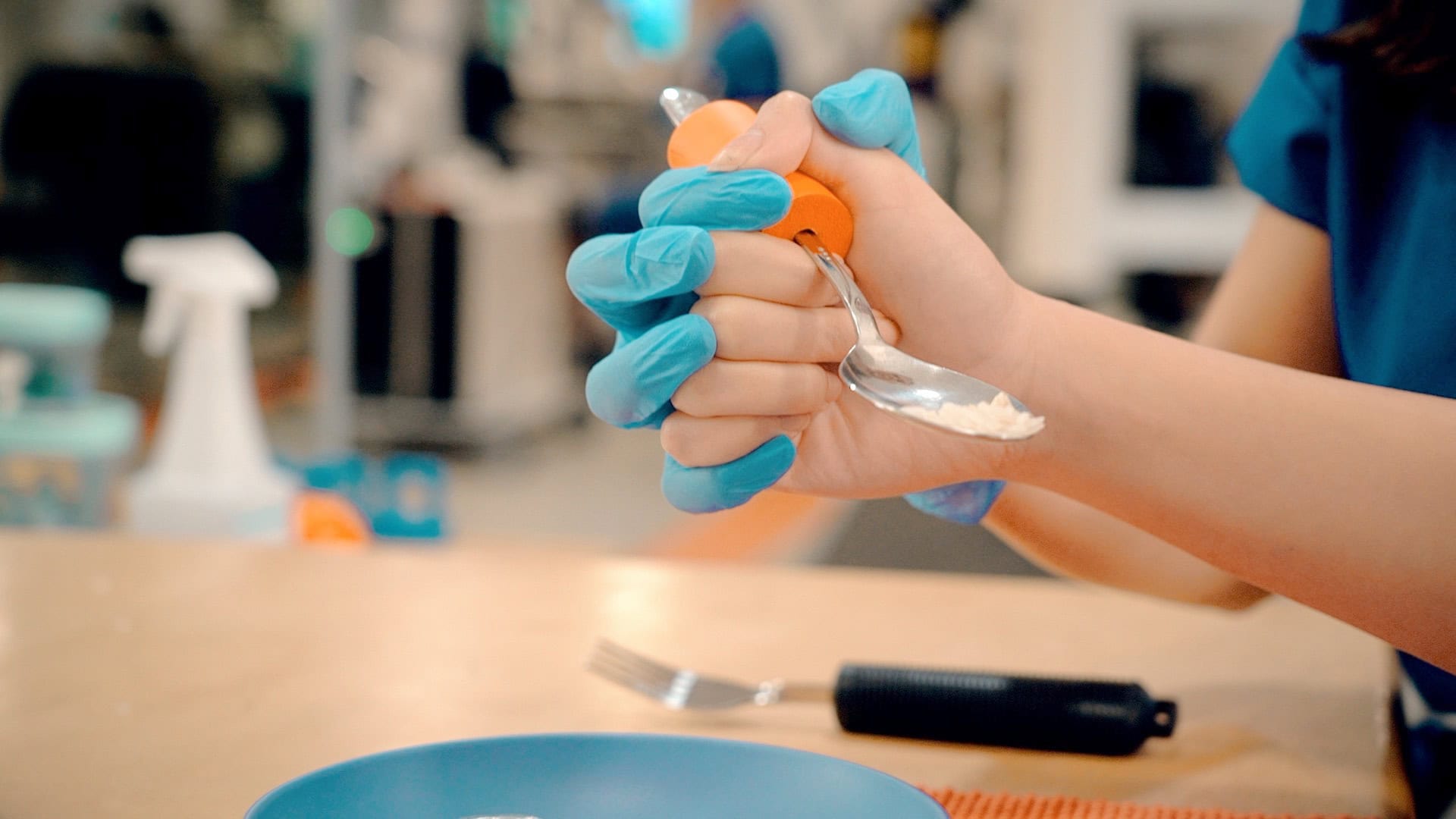
The physical therapy and rehabilitation program should contain carefully directed, well-oriented applications. Treatment must be specialized to relearn abilities deteriorated by stroke, including muscle weakness, coordination deficiency, walking problems, sensory loss, hand grip issues, visual loss, and speech or understanding difficulties.
Robotic Rehabilitation and Paralysis Treatment
As technology advances, new therapeutic approaches continue emerging in neuro-rehabilitation. Robotic physical therapy devices hold an important place in stroke rehabilitation.
Robotic rehabilitation provides visual, auditory, and physical feedback regarding performed movements. Patients receive information about movement success, increasing motivation. These devices represent an important stroke treatment component.
Robotic Bed and Paralysis Treatment
Bringing patients to upright position early is crucial. This increases patient consciousness, helps regain lost functions, and prevents pressure sores. The Robotic Bed Erigo Pro gradually brings patients to upright position while monitoring pulse. Additionally, the bed's legs apply walking-like movements, contributing to walking relearning.
Hand-Arm Robot and Paralysis Treatment
The Hand-Arm Robot Armeo Power addresses functional disorders of the shoulder, elbow, and hand while increasing arm and hand ability. Armeo Power represents a robotic physical therapy device usable from early post-stroke periods, ensuring early participation in recovery.
Gait Robot and Paralysis Treatment
The Gait Robot Lokomat Pro, frequently used in robotic rehabilitation, enables patients to regain walking ability. The device supports body weight while the robotic system reteaches correct walking patterns. Patients can achieve standing and movements resembling natural walking.
Body weight can be decreased up to 80% with the Alter G Anti-Gravity Treadmill. This enables early walking with reduced weight and without pain, improving walking performance.
Computerized Balance Device and Paralysis Treatment
The computerized balance device represents an advanced technology system offering benefits including balance regulation, increased muscle tone, fall prevention, and fall risk assessment for patients.
Originally published on the doctor's site