Stroke recovery
What Is Left Side Paralysis? Left Side Paralysis Treatment
Left side paralysis results from a right-hemisphere stroke; learn its symptoms and how neuro-rehabilitation helps patients regain function.
 Prof. Dr. Engin Çakar · Physical Medicine & Rehabilitation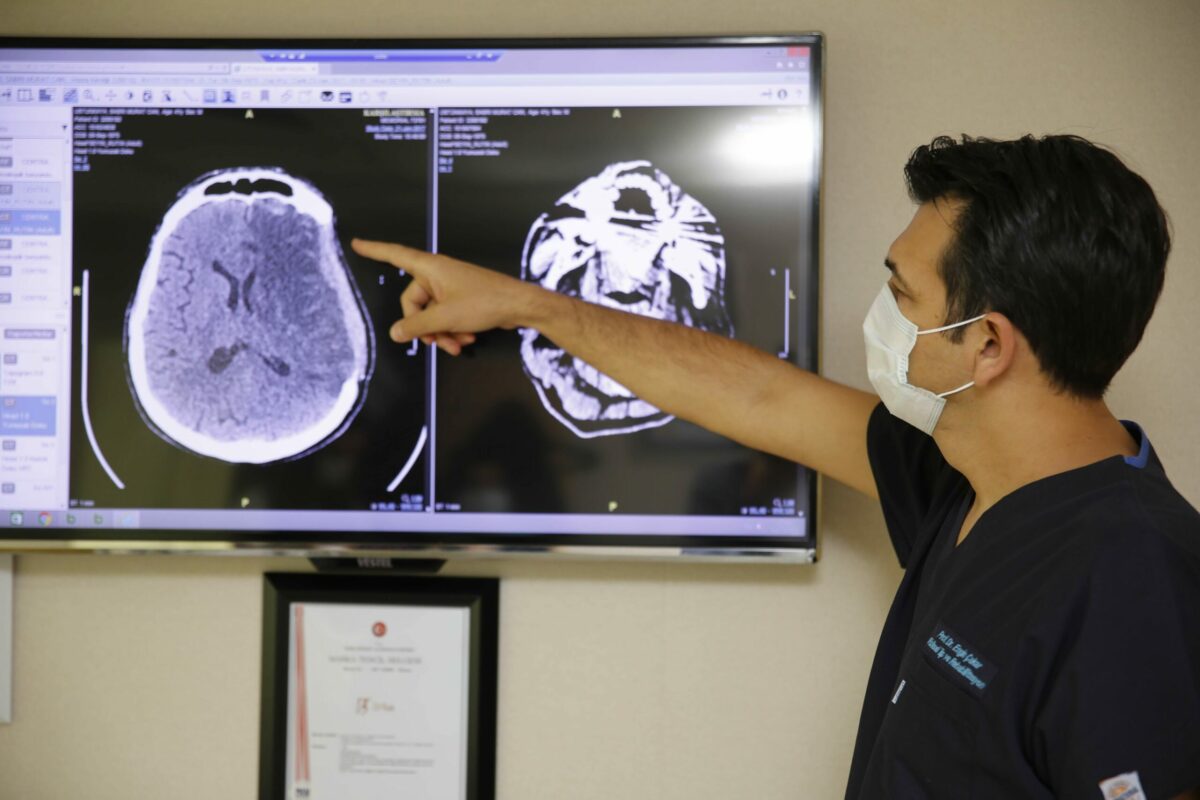
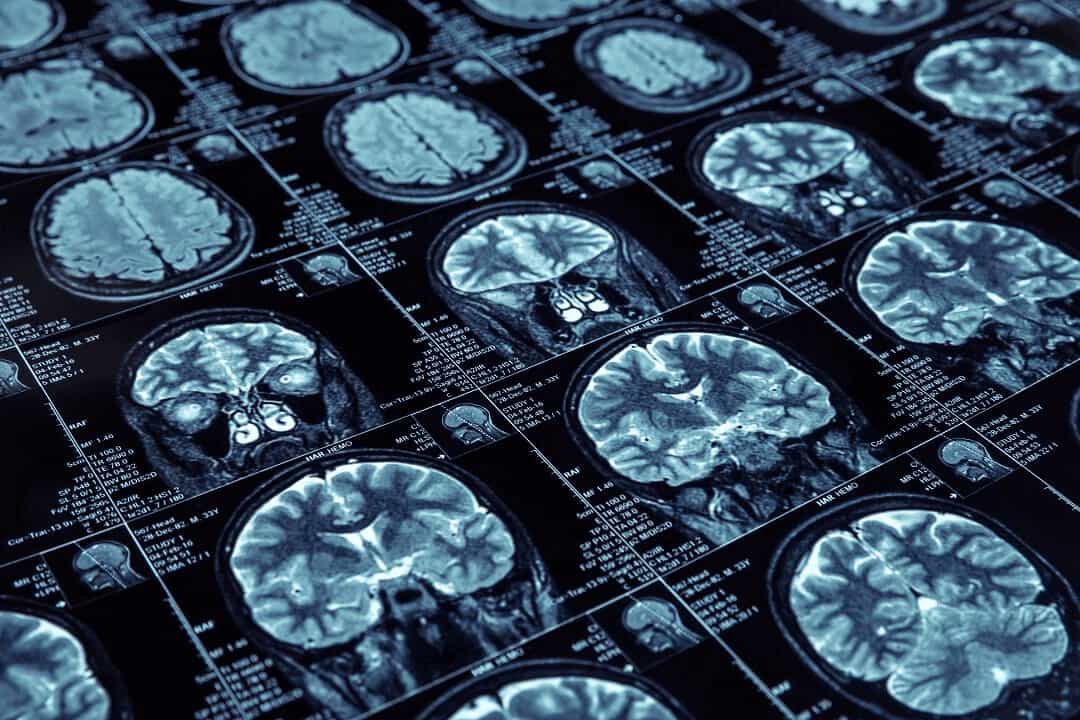
Stroke represents damage to brain cells caused by bleeding or the obstruction of a blood vessel within the brain. According to the World Health Organization, approximately 15 million individuals experience a stroke annually worldwide, making it a significant global health concern.
Stroke requires urgent medical intervention, and recognizing early warning signals is critical. These signals may appear suddenly or develop gradually and include loss of strength and numbness in one arm and leg, weakness in facial muscles on one side, severe headaches, blurred consciousness, speech difficulties, nausea, and seizures.
What is Left Side Paralysis?
The human brain consists of two hemispheres—right and left. The right hemisphere controls the left half of the body, while the left hemisphere controls the right half. When stroke occurs in the right hemisphere, paralysis develops on the left side of the body.
What are the Symptoms of Left Side Paralysis?
Beyond motor loss, left side paralysis produces additional symptoms reflecting unique right hemisphere functions. Patients may experience difficulty recognizing familiar faces, lose the ability to attend to their left environment, develop visual problems affecting half their sight, exhibit emotionally inappropriate responses, and experience altered self-awareness regarding their disabilities.
Left Side Paralysis Treatment
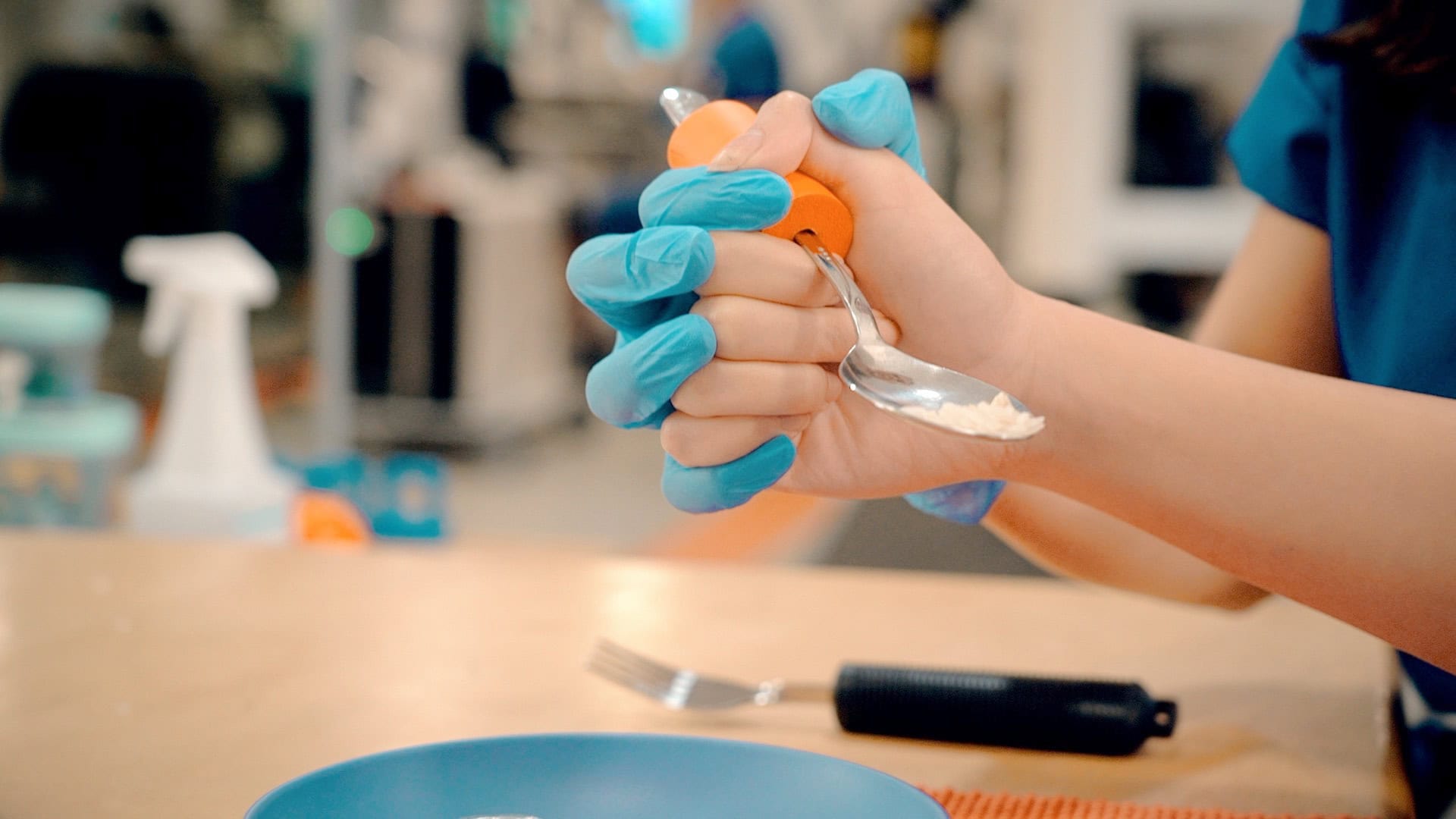
Emergency medical treatments restore blood circulation and ensure survival. Following stabilization, treatment focuses on recovering lost functions through physical therapy and neuro-rehabilitation, initiated early to prevent permanent paralysis. Comprehensive treatment combines neuro-rehabilitation with robotic rehabilitation, enabling intensive arm, leg, and walking exercises. Diverse exercises at appropriate intensity stimulate the brain's neuroplasticity, facilitating relearning of lost functions.
Originally published on the doctor's site