Orthopaedics
What Is Baker's Cyst (Pain Behind the Knee)
Baker's cyst is a fluid-filled swelling behind the knee; learn its symptoms and how physical therapy manages pain and restores movement.
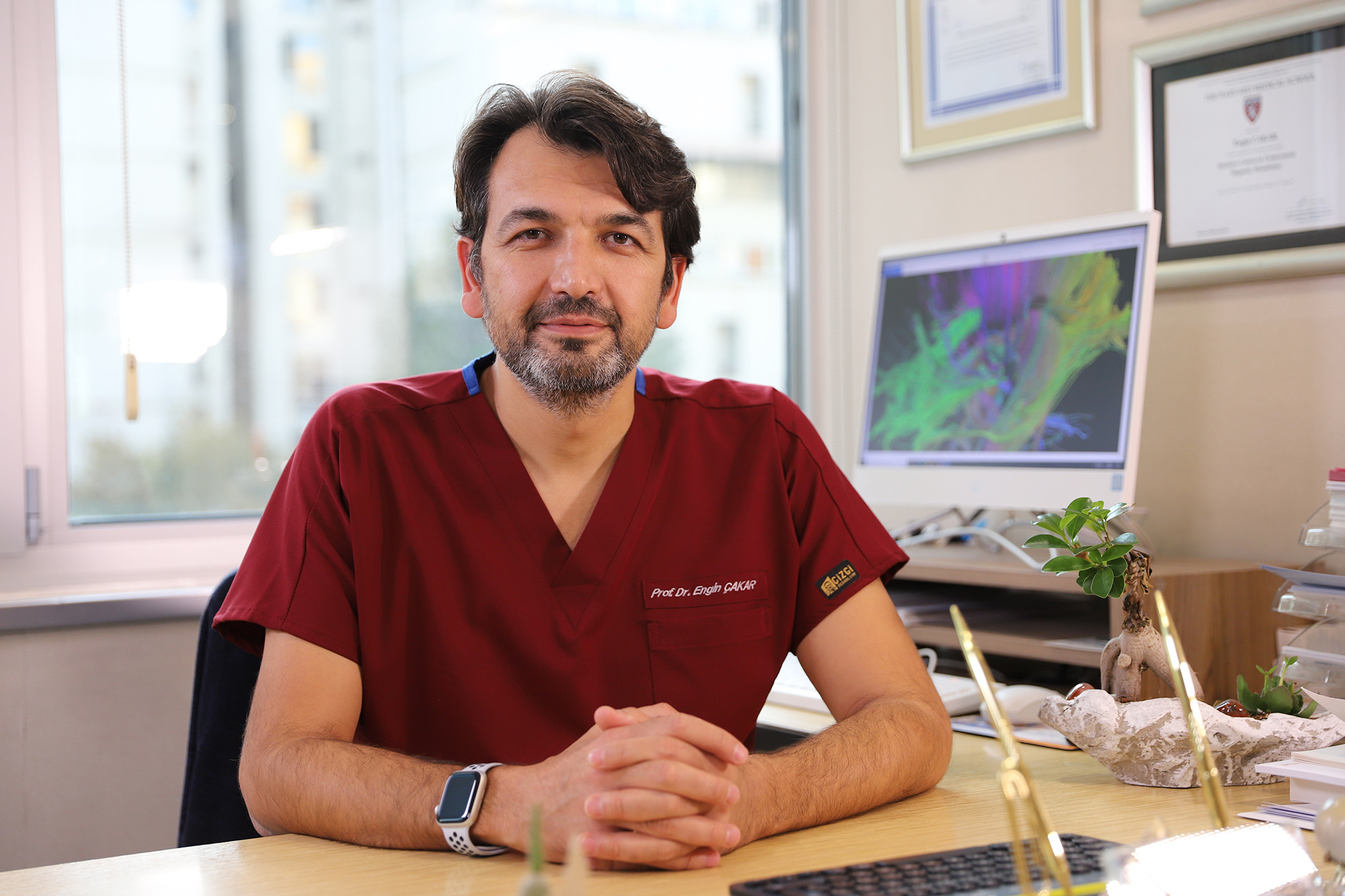 Prof. Dr. Engin Çakar · Physical Medicine & Rehabilitation
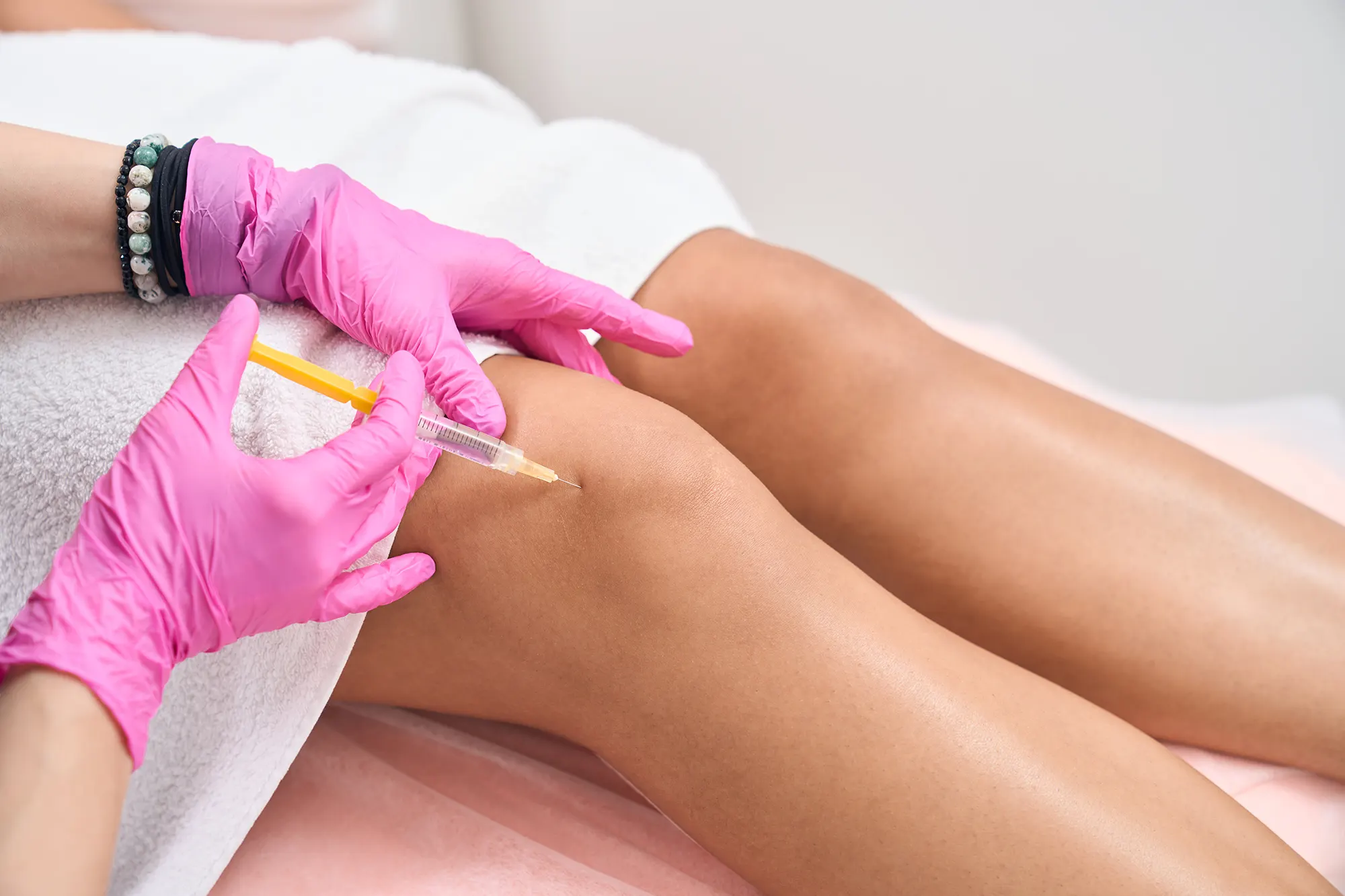
Baker's cyst, also known as popliteal cyst, consists of benign fluid-filled growths on the back of the knee. These cysts typically develop due to underlying knee conditions such as osteoarthritis, meniscus tears, or gout disease.
These cysts can cause pain and restrict movement. Physical therapy has become instrumental in symptom management and supporting the healing process.
What are the Symptoms of Baker's Cyst?
A Baker's cyst is fundamentally a swollen sac filled with synovial fluid which is a lubricating fluid that helps the knee joint to move properly. When excess fluid accumulates, cyst formation occurs.
Common symptoms include:
Persistent pain in the knee area
Palpable stiffness in the back of the knee
Restriction in knee movements
Swelling around the knee and leg
Discomfort typically worsens when bending or extending the leg.
How is Baker's Cyst treated?
Physical treatment begins with personalized physical therapy and rehabilitation programs tailored to each patient's specific needs, underlying conditions, and associated symptoms.
Pain Management in Baker's Cyst Treatment
Various physical therapy techniques address Baker's cyst pain, including manual therapy such as massage and joint mobilization as well as cold and hot applications to reduce inflammation and discomfort.
Range of Motion Exercises
Since restricted movement commonly accompanies Baker's cysts, specialized exercises increase muscle flexibility around the knee and restore normal joint movement by stretching and strengthening surrounding muscles.
Strengthening Exercises
Strengthening muscles around the knee provides stabilization and support. Customized strengthening exercises target specific muscle groups to reduce symptoms and prevent cyst recurrence.
Joint Mobilization
Joint mobilization techniques enhance knee mobility, reduce stiffness, and improve overall knee function, contributing to faster healing.
Training and Prevention
Healthcare professionals educate patients about underlying causes and recommend lifestyle modifications and preventive exercises, enabling active participation in the healing process and long-term knee health maintenance.
Conclusion
Baker's cyst significantly impacts daily functioning. Physical therapy effectively manages symptoms, addresses underlying issues, and promotes faster recovery. Personalized programs can restore mobility, reduce pain, and improve quality of life.
Consulting a physical therapy and rehabilitation specialist provides an important step toward achieving optimal knee health and pain relief.
Originally published on the doctor's site