Orthopaedics
Symptoms of a Pinched Nerve Caused by a Herniated Disc
A herniated disc pressing on a nerve causes radiating pain, numbness and weakness; learn its causes, symptoms, treatment and paralysis risk.
 Prof. Dr. Engin Çakar · Physical Medicine & Rehabilitation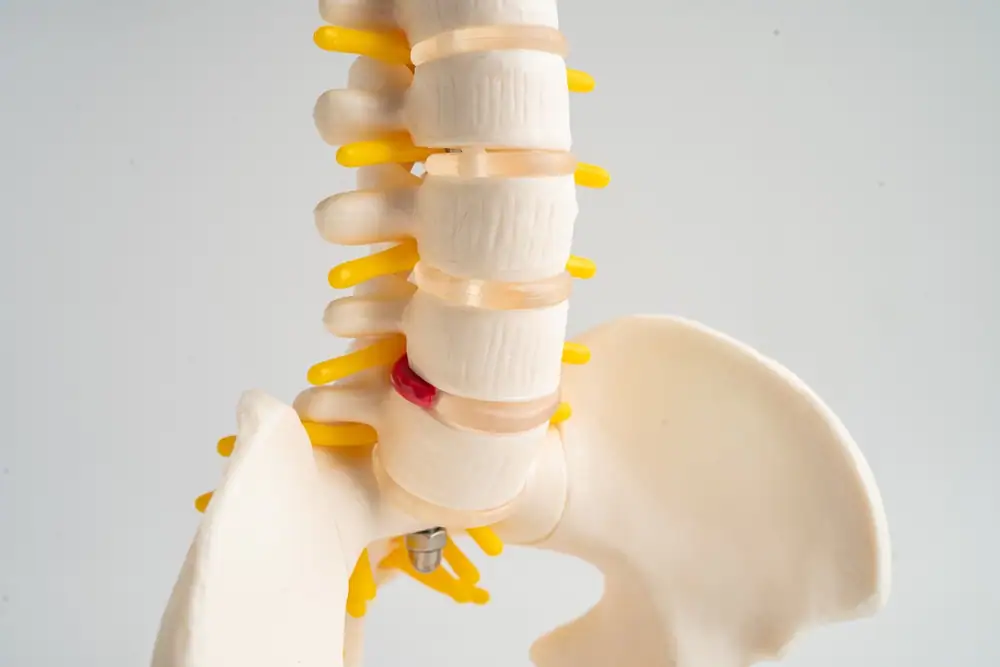
Spinal health is a highly influential factor on quality of life. Disc-related problems involving nerve structures can lead to both pain and functional limitations. One of the most common spinal problems today is a herniated disc pressing on a nerve.
What Is a Herniated Disc?
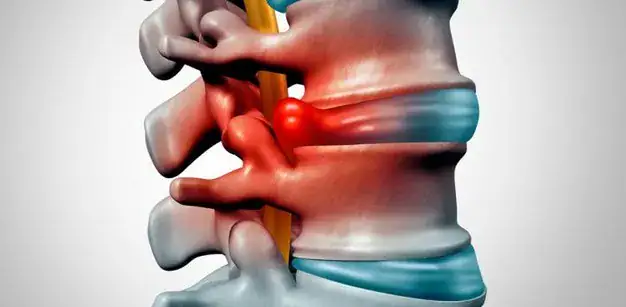
A herniated disc occurs as a result of degeneration in the structure of the discs located between the vertebrae. These discs provide flexibility and mobility to the spine. Over time, the inner part of the disc (nucleus pulposus) can rupture the outer layer (annulus fibrosus) and protrude outward due to causes such as degeneration, trauma or excessive loading. This condition is commonly known as a "herniated disc". If the protruding tissue presses on nearby nerves, some neurological symptoms may appear.
What Causes a Herniated Disc?
Many factors play a role in the development of a herniated disc. The main causes are:
Prolonged seated work and poor posture
Excess weight (obesity)
Heavy lifting and repetitive back movements
Trauma (falls, blows, etc.)
Genetic predisposition
Smoking (can accelerate disc degeneration)
These risk factors can disrupt the structure of the disc and trigger the formation of a herniated disc that may compress nerves.
What Happens When a Herniated Disc Presses on a Nerve?
When a herniated disc presses on a nerve, pain alone is not the only finding. Depending on the level of the nerve affected, various symptoms can appear in the muscle and skin areas served by that nerve. When a herniated disc presses on a nerve, the following neurological findings may be observed:
Severe pain in the lumbosacral region (between lower back and sacrum)
Burning or stabbing pain radiating from the hip to the leg (sciatica)
Numbness and tingling sensation
Decrease in muscle strength, difficulty standing and walking
Loss of balance or increased fall risk
In advanced cases, problems with urinary/bowel control (may require emergency intervention)
Symptoms of a Herniated Disc Pressing on a Nerve
Symptoms of a herniated disc pressing on a nerve vary from person to person. The most common symptoms are:
Pain radiating to one or both legs
Constant or movement-induced pain in the lower back
Reduced walking distance
Reduced sitting or standing tolerance
Reduced or absent reflexes
Weakness in the ankle or toes
These symptoms can be mild, moderate or severe depending on the degree of pressure on the nerve.
Treatment for a Herniated Disc Pressing on a Nerve
Treatment is arranged according to the patient's symptoms, the size of the herniation and the degree of nerve involvement. Current treatment approaches are:
Conservative (non-surgical) treatment:
Physiotherapy and exercise programs
Manual therapy, traction and mobilization techniques
Medication for pain and edema relief
TENS and hot/cold applications
Interventional methods:
Epidural steroid injections
Transforaminal injections
Surgical treatment:
In advanced cases, surgical methods may be preferred.
Studies show that with an appropriate physical therapy program, many patients can recover without needing surgery.
Can a Herniated Disc Cause Paralysis?
Although rare, when the pressure on the nerve is severe and long-lasting, a herniated disc can lead to paralysis. Particularly in cases where the nerve root is completely compressed and left untreated, permanent nerve damage can develop.
This can result in muscle weakness, loss of movement and loss of reflexes. Some herniated discs may require surgery. Complications during surgery can also result in paralysis.
Symptoms of Paralysis Due to a Herniated Disc
Symptoms that can be observed in cases of herniated disc progressing to paralysis are:
Severe loss of muscle strength in the lower extremity (legs)
Inability to lift the foot upward (foot drop)
Inability to walk or stand
Loss of bladder or bowel control
Complete loss of reflexes
These findings require emergency intervention and often surgical removal of the pressure on the nerve.
Pinched-nerve herniation can be controlled with early diagnosis and appropriate treatment. However, if neglected, it can lead to serious neurological damage and rarely to complications such as paralysis. For this reason, if any of the symptoms listed above are present, it is important to consult a Physical Medicine and Rehabilitation Specialist or a Neurosurgery Specialist.
Originally published on the doctor's site