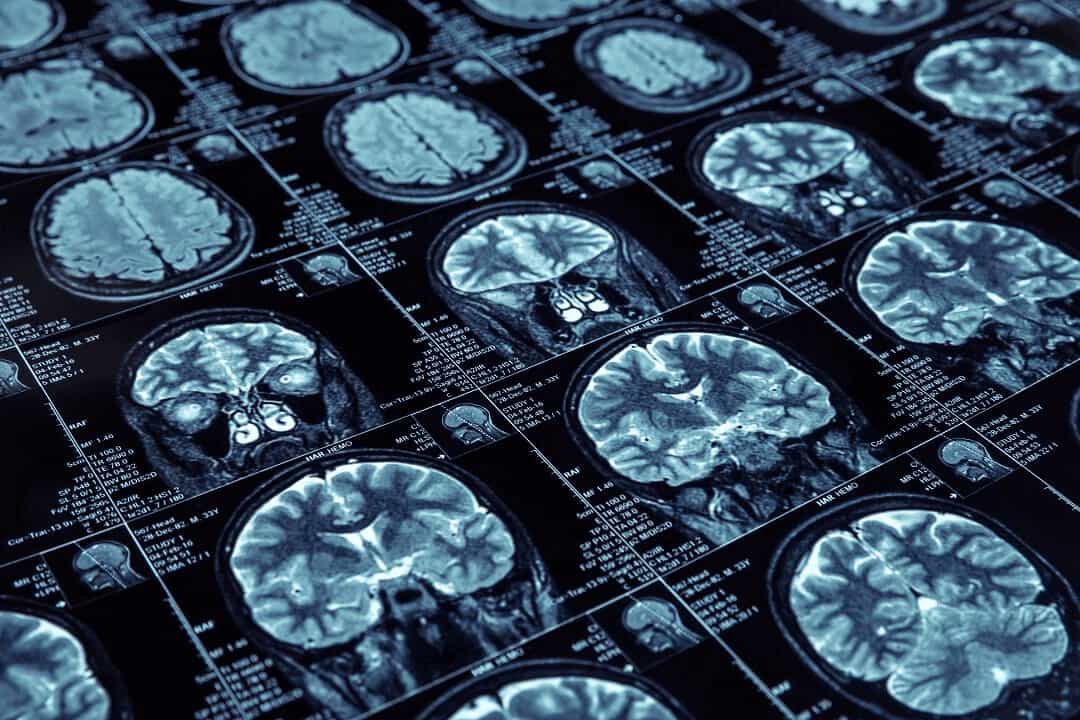
Stroke recovery
What Causes Strokes: Root Causes and Risk Factors
Understand what causes strokes and the risk factors you can control to protect your brain.
 Prof. Dr. Engin Çakar · Physical Medicine & Rehabilitation
A stroke occurs when the blood supply to part of the brain is interrupted, either by a blockage (ischaemic stroke) or by bleeding (haemorrhagic stroke). Understanding the causes and risk factors is the first step to prevention.
The Two Main Causes
Ischaemic strokes, the most common type, happen when a clot blocks an artery supplying the brain — often where fatty deposits (atherosclerosis) have narrowed the vessel, or when a clot travels from the heart. Haemorrhagic strokes happen when a weakened or damaged blood vessel bursts and bleeds into or around the brain.
Risk Factors You Can Control
Most stroke risk comes from factors you can influence: high blood pressure (the biggest single cause), smoking, high cholesterol, diabetes, obesity, physical inactivity, an unhealthy diet and excessive alcohol. Atrial fibrillation, an irregular heartbeat, greatly raises risk by allowing clots to form in the heart.
Risk Factors You Cannot Control
Age, family history, previous stroke or TIA, and certain ethnic backgrounds also raise risk. These cannot be changed, but knowing them makes controlling the modifiable factors even more important.
Prevention
Managing blood pressure, cholesterol and diabetes, stopping smoking, staying active, eating well, limiting alcohol and treating atrial fibrillation dramatically lower the chance of a stroke. Regular medical check-ups help identify and manage these risks early.