Stroke recovery
Visual Problems in Paralyzed Patients
Post-stroke visual problems affect up to 65% of patients; learn the four types of impairment and how visual rehabilitation supports recovery.
 Prof. Dr. Engin Çakar · Physical Medicine & Rehabilitation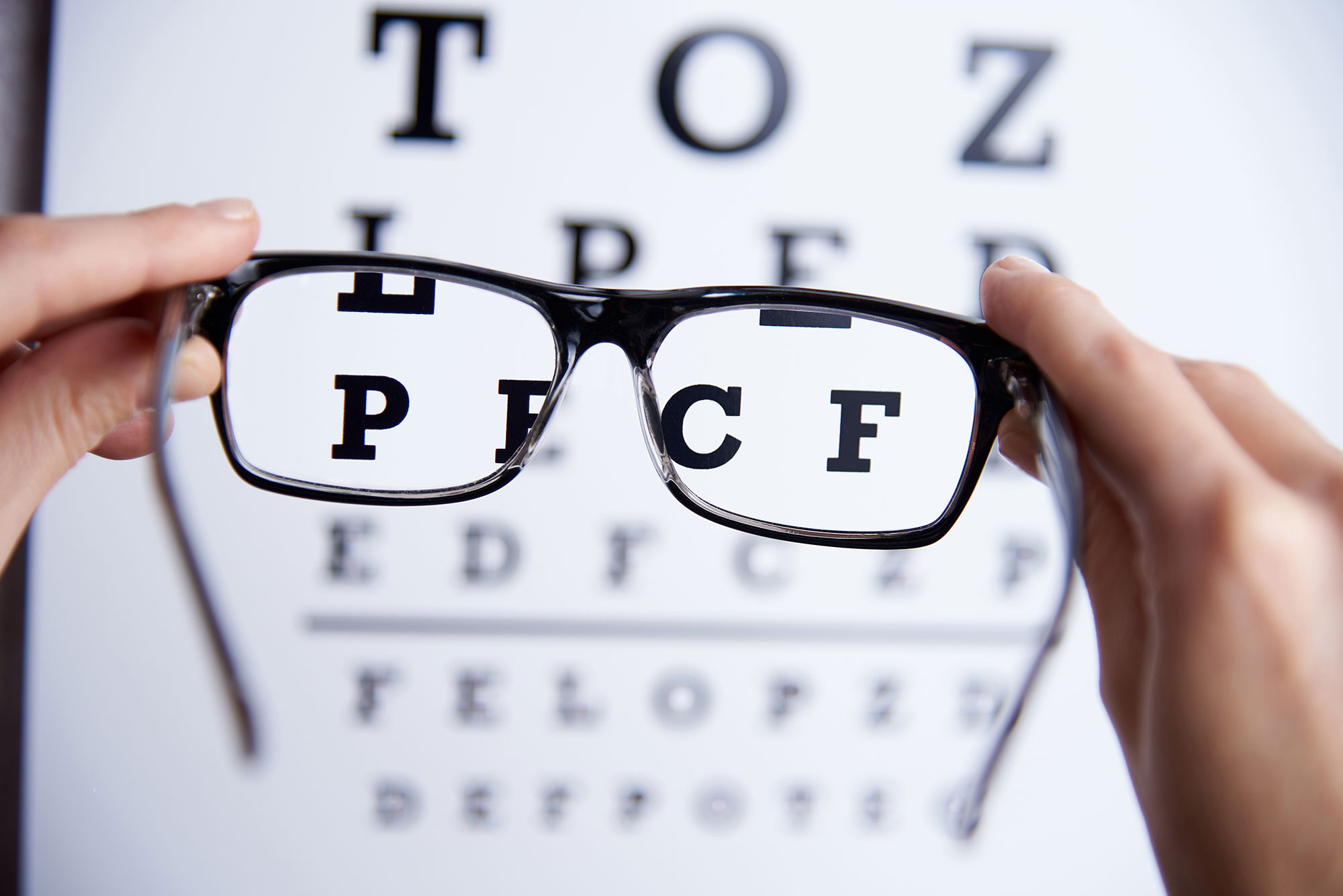
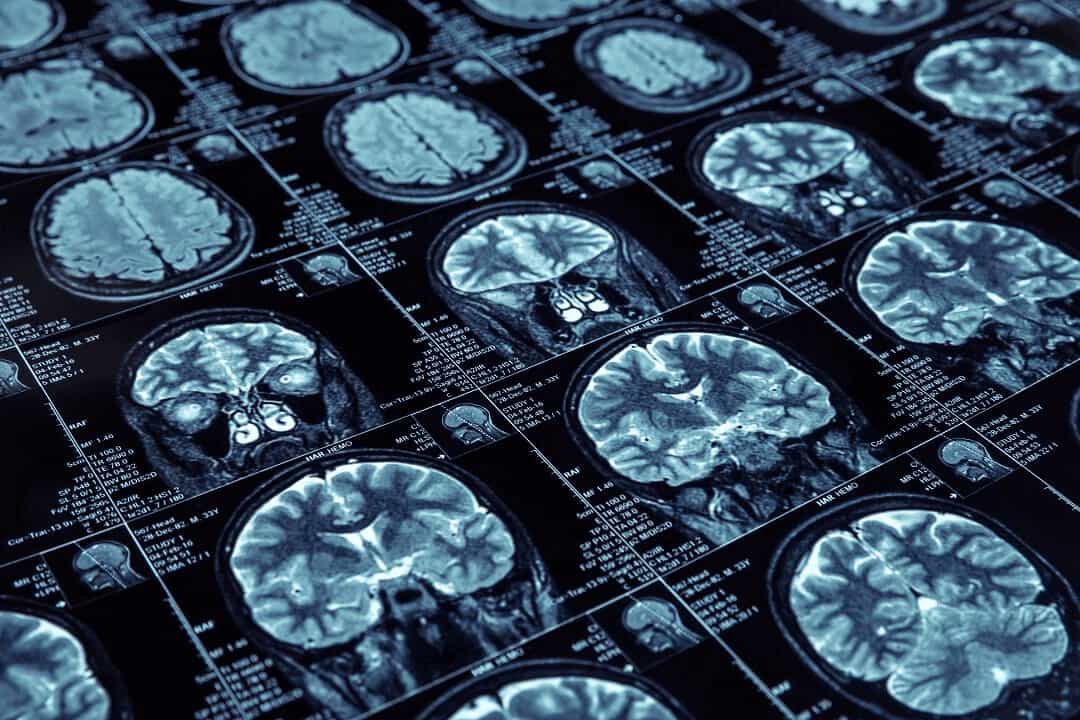
A large part of the central nervous system controls vision, and therefore eyesight may be affected after a stroke with high probability. Post-stroke visual problems occur with an estimated frequency of 65% in the stroke population.
Visual impairment after stroke may be categorized into four types: central visual problems, visual field loss, eye movement disorders and visual perception disorders. Visual field loss was reported in up to 52% of stroke patients, central visual problems in up to 70%, eye movement disorders in up to 68% and visual perception disorders in up to 80%. Visual problems may also precede a stroke, and rapid evaluation after their emergence can help prevent stroke.
Visual problems developed after stroke may become highly disabling, causing loss of confidence, fear of independent movement, inability to drive, difficulty reading, social isolation and depression.
Visual Problems
Central visual impairment problems are defined as reduced visual acuity. Eye movement disorders involve eyeball misalignment and incomplete motility, including visual paralysis, cranial nerve paralysis, saccadic disorder, smooth pursuit disorder, and vergence disorder. Visual field loss involves loss of central and peripheral field vision, such as homonymous hemianopia, quadrantanopia, and scotoma. Visual perception disorders involve impaired perception of visual objects or space, including visual inattention, agnosia, and alexia.
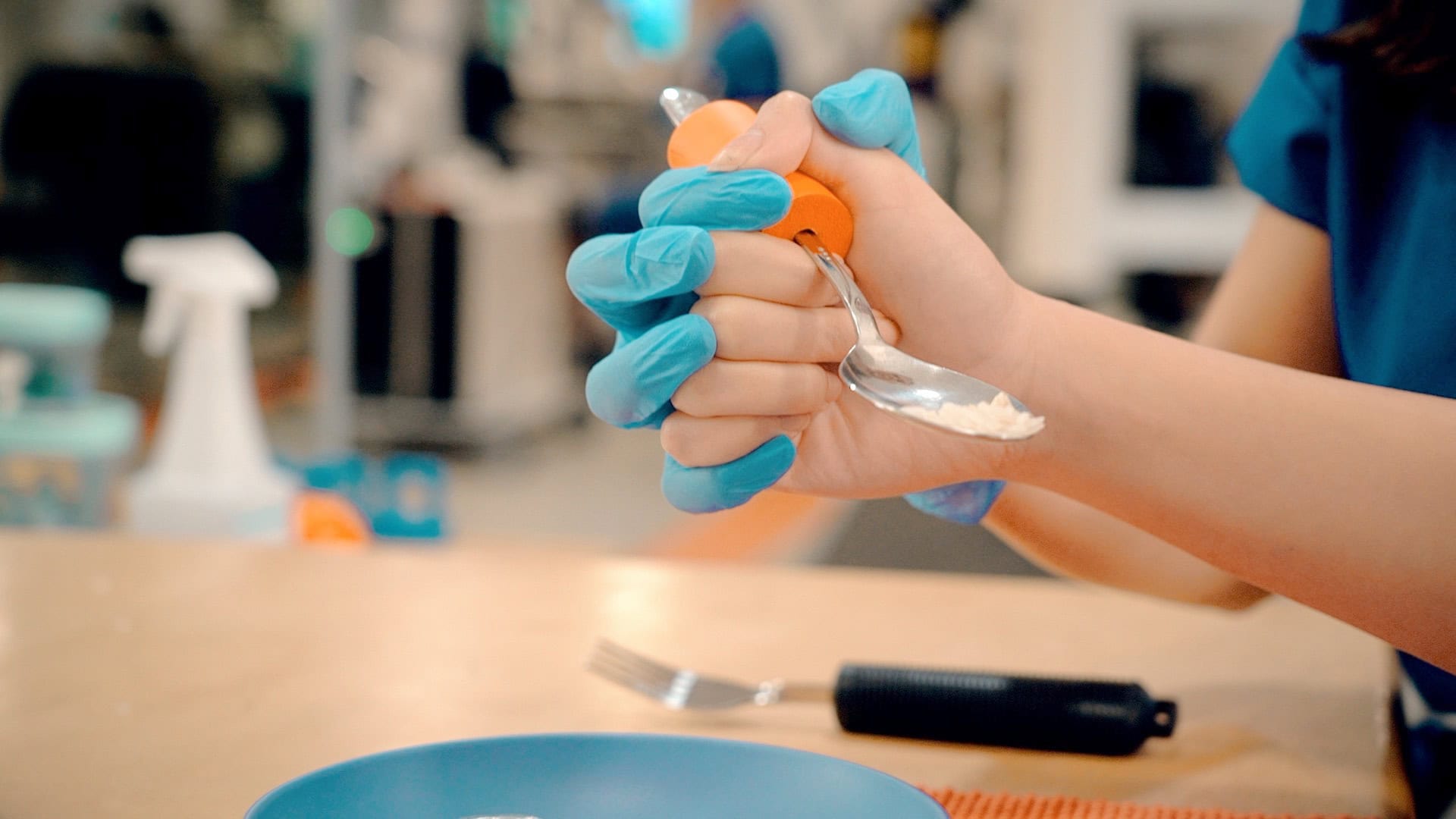
Visual neglect often occurs after right brain stroke. These patients cannot perceive visual stimuli on the left side. Even when the visual field is not fully restored, recovery is possible in most stroke patients. Visual rehabilitation can enhance recovery, enable daily activities more comfortably and increase self-confidence.
Originally published on the doctor's site