Stroke recovery
Symptoms of a Stroke
The key symptoms of a stroke and why recognising them quickly is vital.
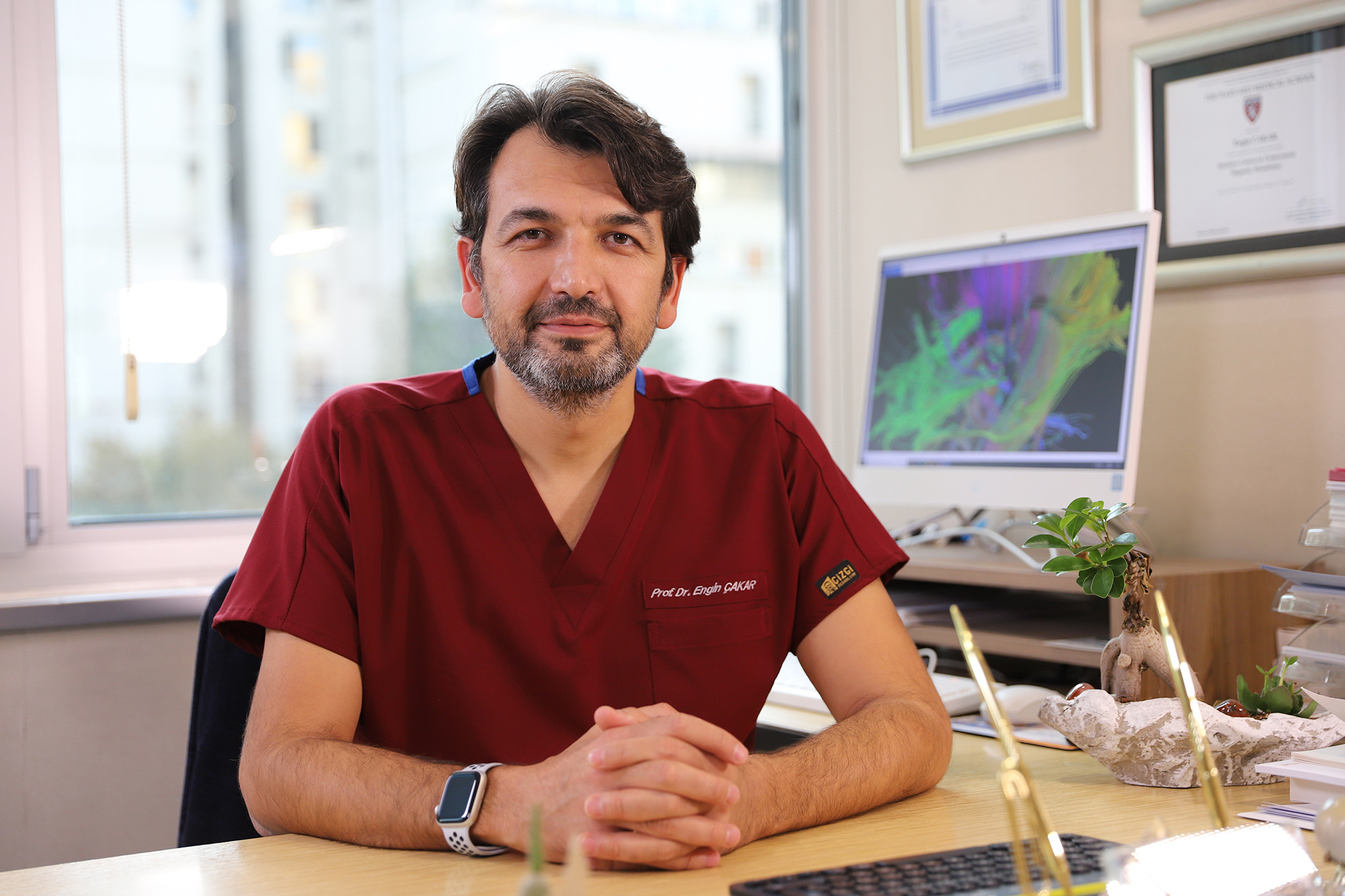 Prof. Dr. Engin Çakar · Physical Medicine & Rehabilitation
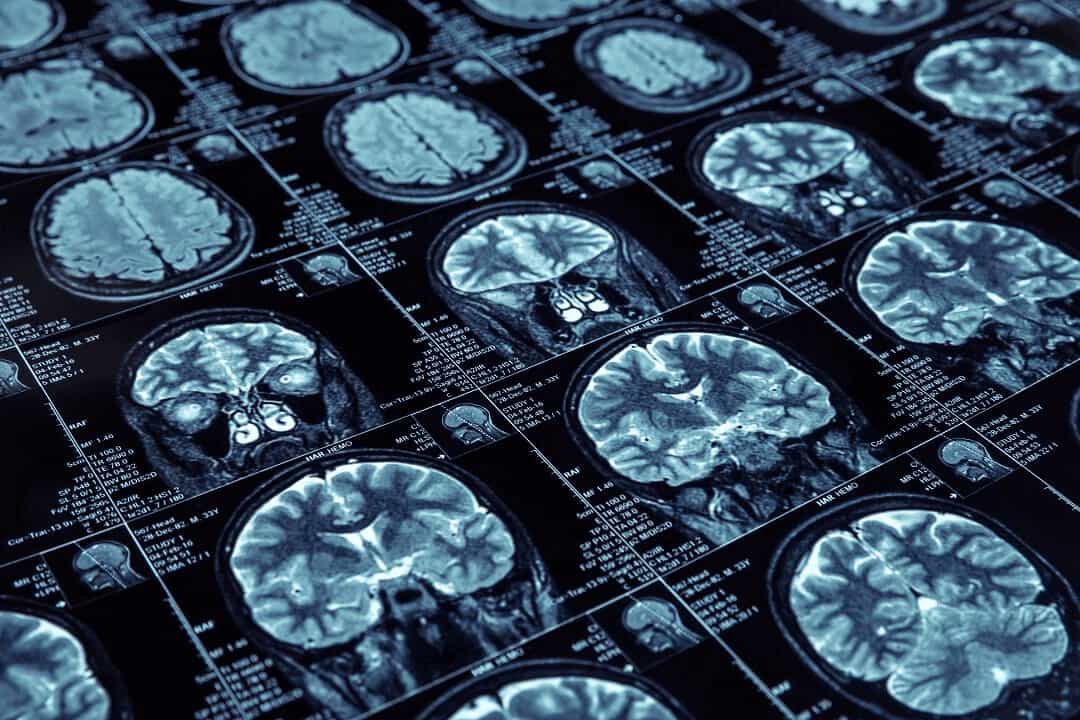
A stroke happens when blood flow to part of the brain is cut off by a clot or a bleed. Brain cells start to die within minutes, so knowing the symptoms and acting immediately is essential to limit damage.
Recognise a Stroke — FAST
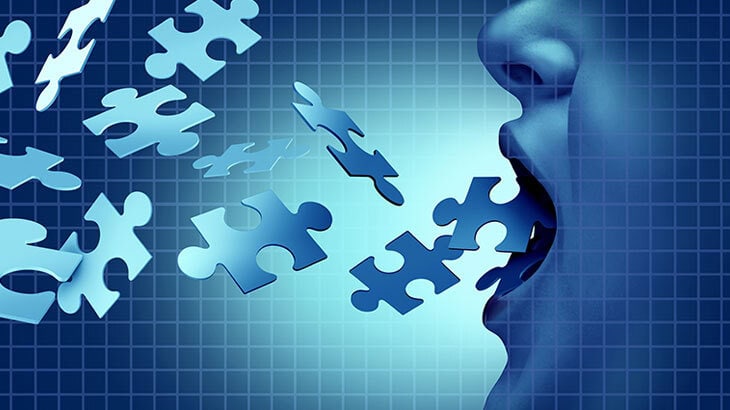
Face: one side droops or feels numb. Arms: one arm drifts down when both are raised. Speech: words are slurred or confused. Time: call emergency services at once if you notice any of these.
Other Symptoms
Strokes can also cause sudden numbness or weakness of the face, arm or leg (usually on one side); sudden confusion or trouble understanding speech; sudden trouble seeing in one or both eyes; sudden trouble walking, dizziness or loss of balance and coordination; and a sudden, severe headache with no known cause.
Why Speed Matters
The sooner a stroke is treated, the more brain tissue can be saved. Clot-busting treatment and clot-removal procedures work only within a limited time window, so every minute counts. Even if symptoms ease — as in a transient ischaemic attack — urgent assessment is still needed, because it can be a warning of a larger stroke to come.
If you suspect a stroke, never wait to see if it passes. Call for emergency help immediately.