Orthopaedics
Everything You Need to Know About Low Back Pain
Low back pain is among the most common musculoskeletal problems; learn its causes, when to see a doctor, treatment options, and prevention.
 Prof. Dr. Engin Çakar · Physical Medicine & Rehabilitation
The spine, composed of vertebral bones, serves as the body's main support structure. It must maintain stability to keep the body upright while remaining flexible enough for movement in multiple directions. Bones, muscles, tendons, ligaments, and discs work together to provide these capabilities. Many people experience pain in the neck, back, and lower back periodically.
Low back pain represents one of the most common musculoskeletal problems. Research indicates that approximately 4 out of every 5 people experience low back pain at least once during their lives. The condition can originate from muscles, tendons, herniated discs, and various spinal structures.
What Causes Low Back Pain?
Common causes include sitting incorrectly, poor posture, repetitive movements, overuse, and careless lifting or pushing of objects.
Lumbar Hernias
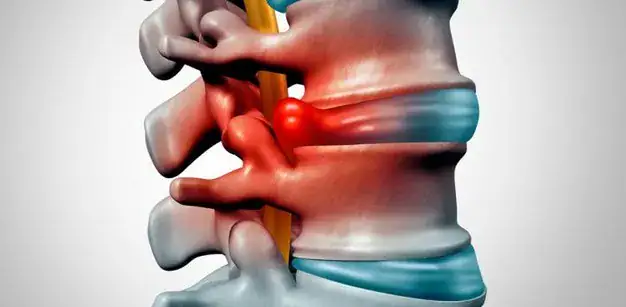
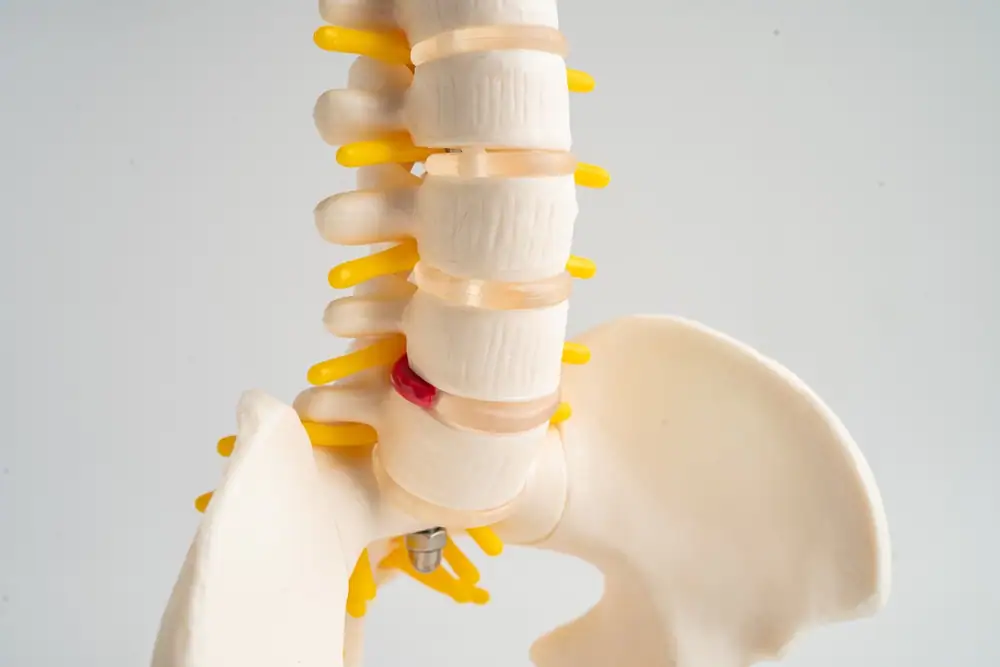
Among the most frequent causes of low back pain, herniated discs typically occur between the L4-L5 and L5-S1 vertebrae.
Muscle Spasms
Muscle spasms and tight bands represent common culprits. Deep spinal muscles stabilize the spine and enable mobility. When these muscles contract and fail to relax due to poor posture, overuse, or incorrect movement, low back pain results. This pain often manifests as stabbing sensations.
Increased Lordosis
The spine naturally curves in an S-shape when viewed laterally. Natural curves exist in the neck and lower back (lordosis) and upper back (kyphosis). Increased lumbar curvature (hyperlordosis) can cause low back pain and related disorders, often resulting from weakened lumbar, abdominal, and hip muscles, or from wearing high heels.
Degeneration
Osteoarthritis affecting lumbar vertebral joints may cause low back pain through cartilage erosion.
Injuries
Contact sports, accidents, and falls can produce various complications ranging from muscle spasms to herniated discs or vertebral fractures.
Pregnancy
Pregnancy contributes to back pain through increased spinal load from weight gain and forward center-of-gravity shifts. Hormonal changes during pregnancy compound this effect.
When Should You Consult a Doctor for Low Back Pain?
Low back pain typically stems from simple causes and resolves within days. However, seek immediate medical attention if experiencing:
Persistent low back pain despite rest
Pain following trauma
Severe back pain
Leg numbness and tingling
Leg muscle weakness
Incontinence
Your doctor may order X-rays, MRI, or CT scans following examination to identify the underlying cause.
Low Back Pain Treatment
No single treatment approach suits everyone. Each case requires individualized assessment by a physical therapy rehabilitation physician specializing in low back pain treatment. Based on testing, treatment may include physiotherapist-supervised exercises, electrotherapy, bracing, medication, injections, or surgery.
Contrary to common belief, prolonged bed rest proves harmful rather than beneficial. Extended immobility weakens lumbar muscles and increases movement anxiety. The solution typically involves carefully planned, low-intensity exercises starting immediately, progressing without pain.
Treatment approaches may include heat or cold applications, pain-relieving electrical stimulation (TENS), and electrical stimulation strengthening deep lumbar muscles. Massage, manual therapy, and acupuncture also help. When exercise and physical therapy prove insufficient, corset use, oral medications, regenerative pain treatments, or surgery may be considered.
Is It Possible to Prevent Low Back Pain?
Yes. Low back pain can be substantially prevented through exercises maintaining strong, flexible spinal muscles. Correcting posture, adjusting workspace ergonomics, and smoking cessation provide additional prevention strategies.
Originally published on the doctor's site