Orthopaedics
Symptoms and Treatment of Lumbar Hernia
Lumbar hernia causes low back pain and nerve symptoms; most cases respond to conservative treatment, with surgery reserved for severe cases.
 Prof. Dr. Engin Çakar · Physical Medicine & Rehabilitation
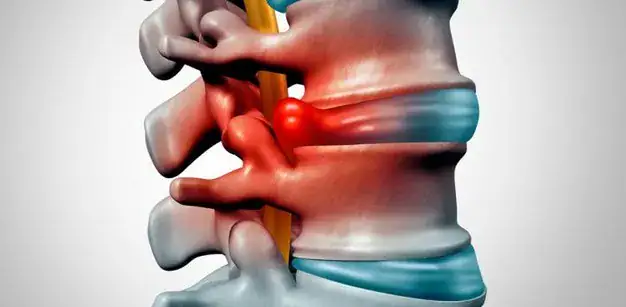
Lumbar hernia occurs most frequently at the L4-L5 and L5-S1 levels. Beyond low back discomfort and stiffness, neurological symptoms may develop when disc material compresses nerve roots. Medical imaging typically describes these conditions using terms such as "bulging," "protrusion," "extruded hernia," or "sequestered hernia."
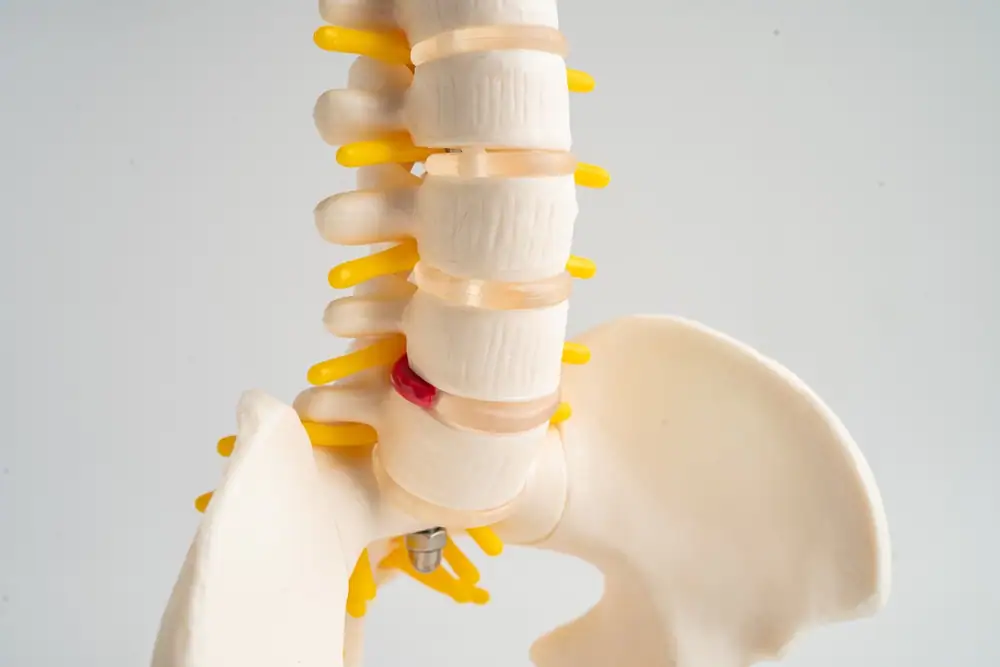
The lumbar spine contains five vertebral bones designated L1 through L5, with the sacrum positioned below them. Intervertebral discs provide shock absorption between vertebras. A hernia develops when these discs shift backward from their normal position.
What are the Symptoms of Lumbar Hernia?
Low back pain and stiffness represent the primary symptoms. When herniation compresses nerves, additional neurological manifestations may occur, with discomfort potentially radiating to the hips, knee backs, and even feet.
At the L4-L5 level, symptoms include difficulty elevating the big toe, walking on heels, hip abduction limitations, sensory loss across the foot's upper surface, and sciatica.
L5-S1 hernia produces weakness in foot external rotation and plantarflexion, numbness along the little toe area, and pain radiating from the lower back to the leg during straight-leg raises while supine.
How is Lumbar Hernia Treated?
Most lumbar hernias respond to conservative management rather than surgery. Treatment approaches include active rest, medications, physical therapy, manual therapy, and injections.
Active rest involves limiting strenuous activities while maintaining light movement and avoiding bed confinement. Medications provide symptom relief through painkillers, anti-inflammatory agents, muscle relaxants, or neuropathic pain medications for severe cases.
Corsets offer temporary benefits but prolonged use may weaken lumbar musculature. Physical therapy employs heat and cold therapy, ultrasound, electrical nerve stimulation, targeted strengthening exercises, and manual techniques. Strengthening and stretching programs prove particularly effective.
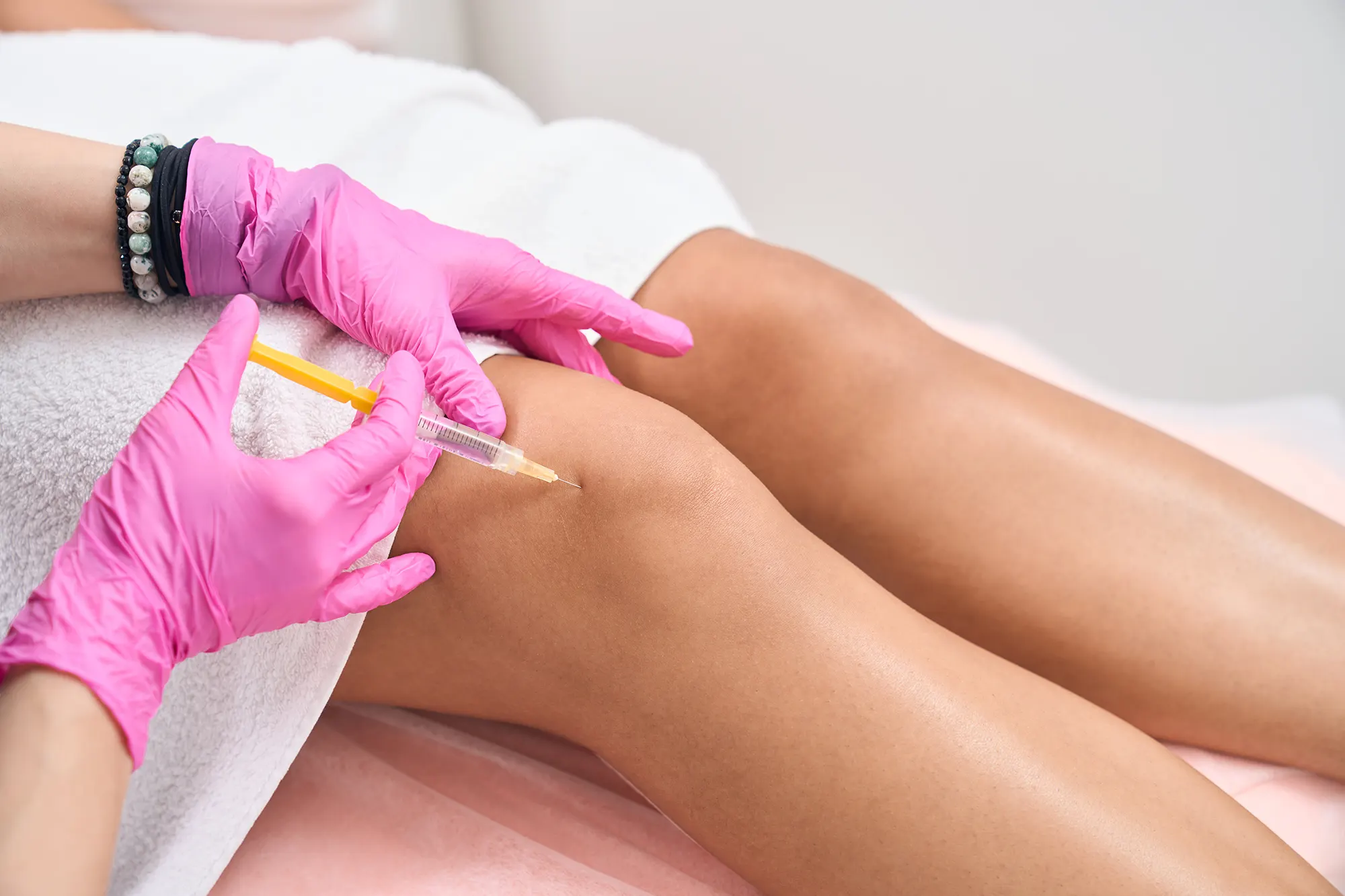
When conservative therapy fails, sclerotherapy may be considered. Surgical intervention becomes necessary when progressive muscular weakness, sensory loss, or urinary/fecal incontinence occurs.
Originally published on the doctor's site