Stroke recovery
Success Stories of Patients Who Overcame Paralysis
Real recovery stories show how comprehensive neurorehabilitation, persistence and advanced therapy help patients overcome paralysis.
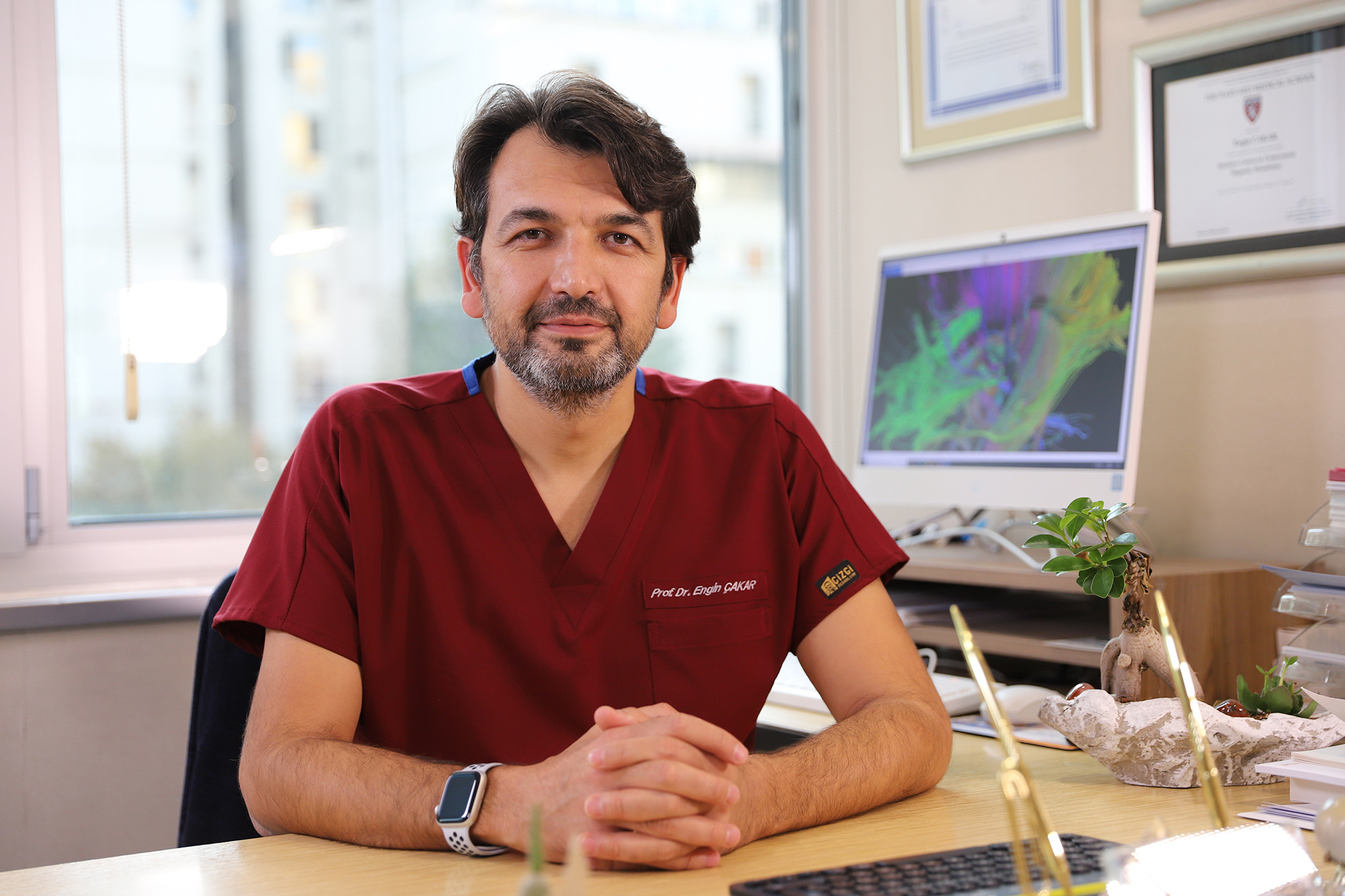 Prof. Dr. Engin Çakar · Physical Medicine & Rehabilitation
The recovery trajectory for paralyzed patients differs significantly based on the underlying cause, severity, and individual health factors. It is not possible to talk about the same recovery process for all of the paralyzed patients, though many experience similar phases.
Common causes of paralysis include strokes from various mechanisms, brain injuries from trauma or oxygen deprivation, brain tumors, and spinal cord conditions.
Eser Kucuk experienced a sudden brain hemorrhage while performing and regained mobility within four months, resuming his musical pursuits.
Husnu Tako suffered a stroke causing left-side weakness and difficulty walking. Following two months of intensive physical therapy, he relearned walking and restored independent daily functioning.
Ms. Menekse, age 46, faced leg paralysis from transverse myelitis. Through comprehensive neurorehabilitation including robotic devices, she progressed from bed exercises to independent walking.
Mr. Erhan endured three cardiac arrests resulting in severe brain oxygen deprivation. After intensive care and rapid rehabilitation, he achieved walking and running abilities.
These narratives demonstrate how comprehensive neurorehabilitation programs, persistence, and advanced therapeutic technologies can facilitate meaningful recovery even in severe neurological conditions.
Originally published on the doctor's site