Stroke recovery
Stroke: Causes, Symptoms and Signs
Stroke happens when blood flow to part of the brain is interrupted. Learn the signs, causes and how it is treated.
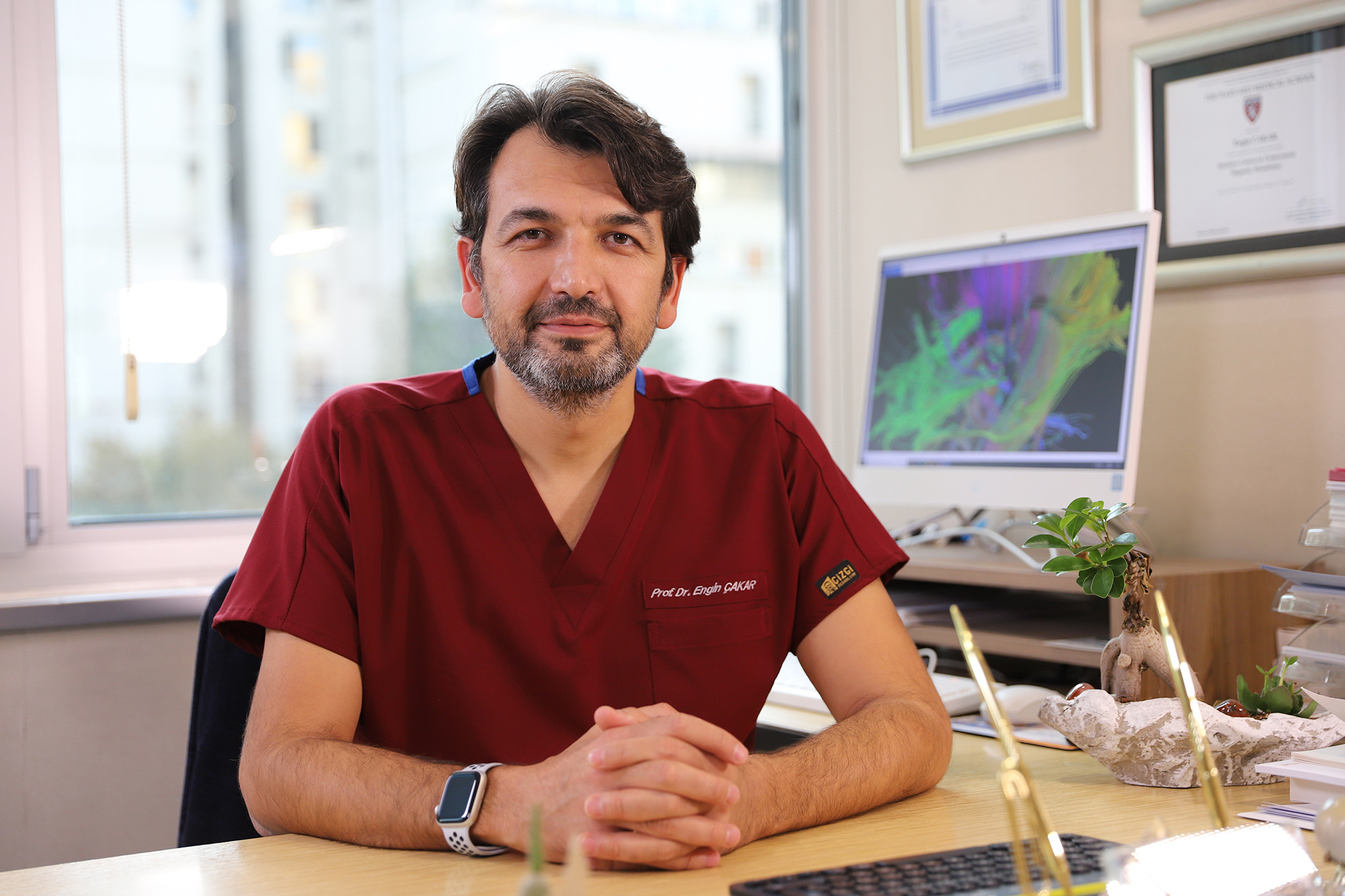 Prof. Dr. Engin Çakar · Physical Medicine & Rehabilitation
A stroke occurs when blood flow to part of the brain is interrupted, damaging brain cells within minutes. It is a leading cause of disability and death, and prompt treatment is essential to limit the damage.
Types of Stroke
Most strokes are ischaemic, caused by a blockage in an artery supplying the brain. Haemorrhagic strokes, caused by bleeding in the brain, are less common but often more severe. A transient ischaemic attack (TIA) is a brief, warning episode.
Signs of a Stroke
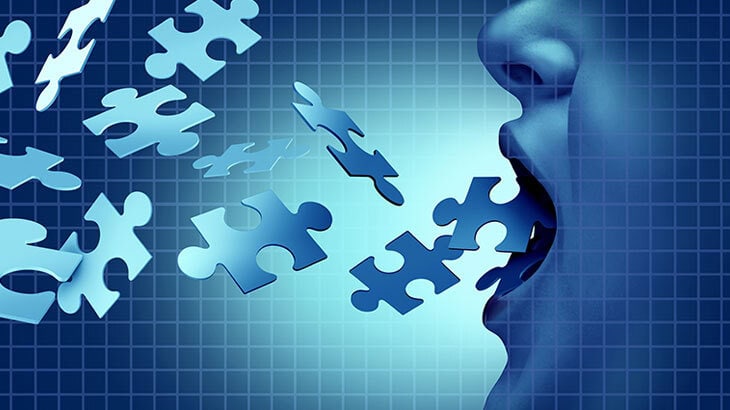
Warning signs come on suddenly: numbness or weakness of the face, arm or leg (often on one side); confusion or trouble speaking or understanding; trouble seeing; difficulty walking, dizziness or loss of balance; or a sudden severe headache. Seek emergency help immediately — remember FAST: Face, Arms, Speech, Time.
What Causes a Stroke
Key risk factors include high blood pressure, smoking, diabetes, high cholesterol, atrial fibrillation and a family history of stroke.
Diagnosis and Treatment
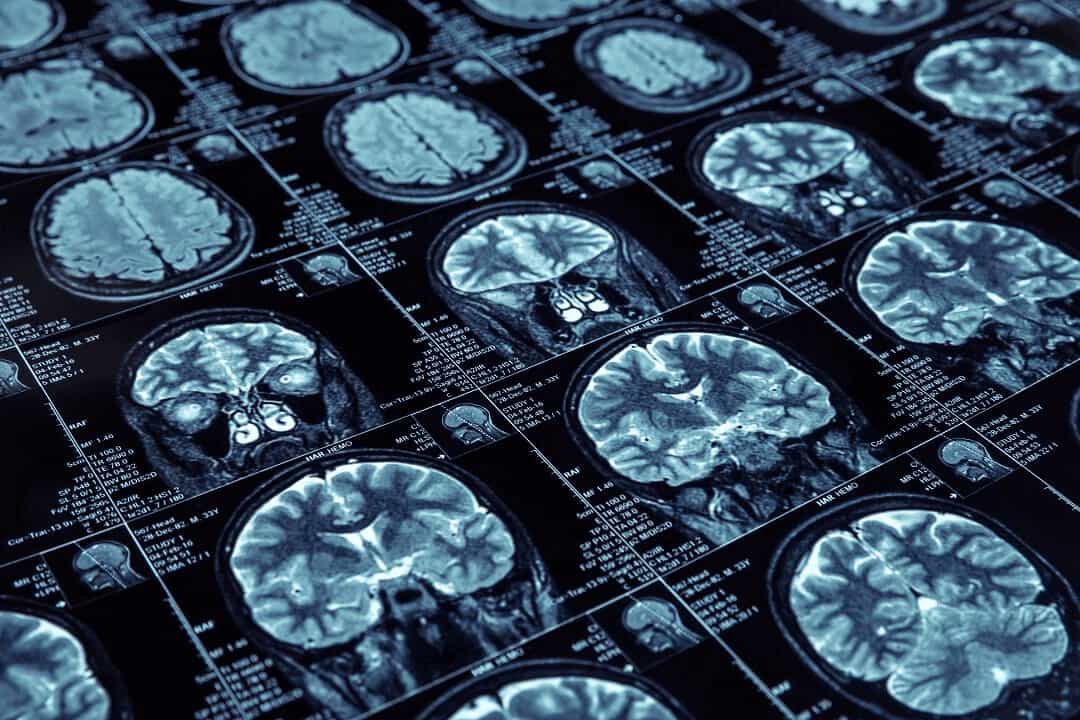
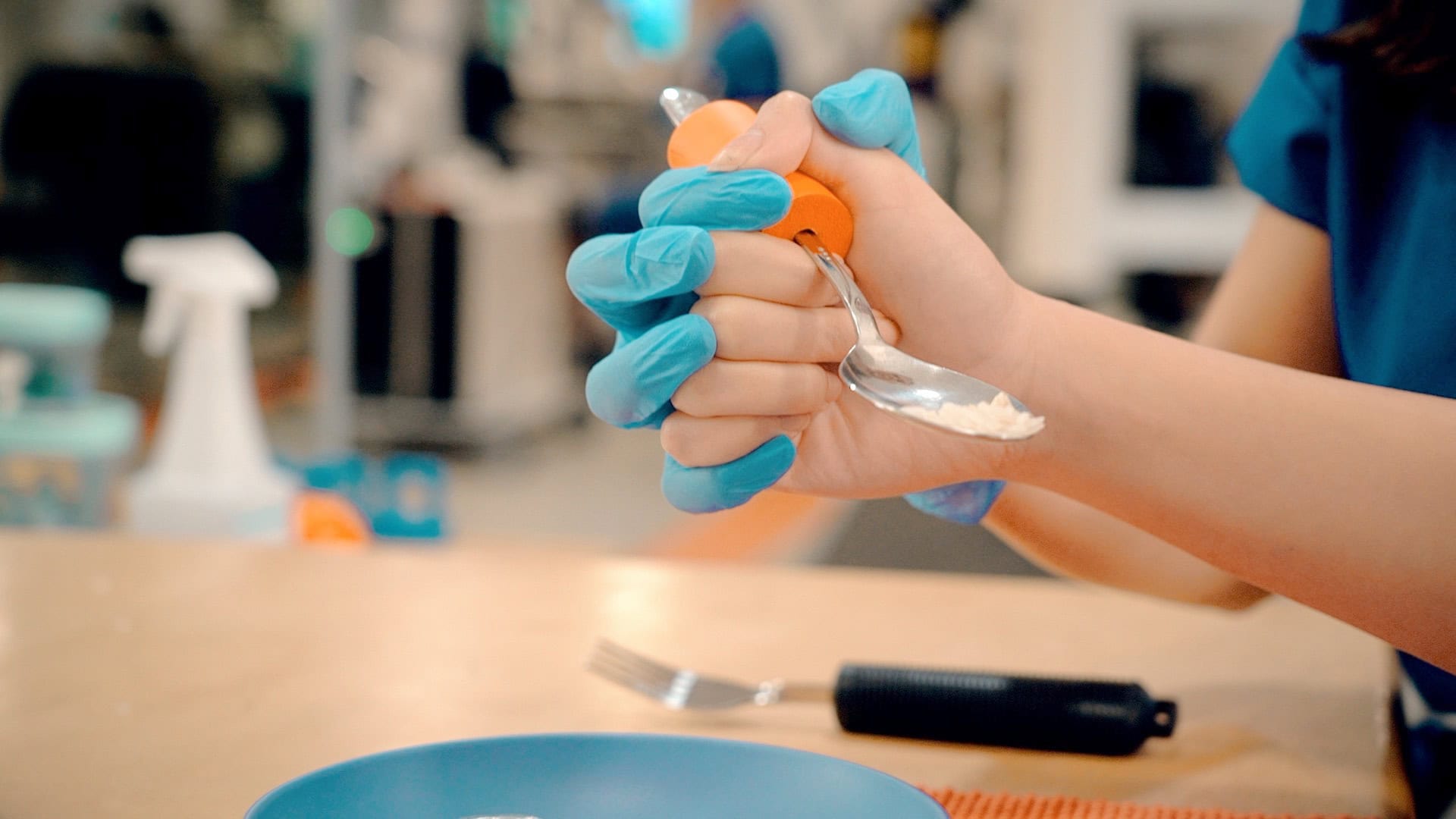
Diagnosis uses examination and imaging such as CT or MRI. Ischaemic strokes may be treated with clot-dissolving medication; haemorrhagic strokes may need surgery. Rehabilitation — physiotherapy, speech and occupational therapy — then helps restore movement, communication and daily function.
Prevention
Managing blood pressure, diabetes and cholesterol, stopping smoking, staying active, eating well and limiting alcohol all reduce stroke risk.