Stroke recovery
Stroke Recovery: Understanding the Process
How recovery after a stroke unfolds, and what helps the brain heal and relearn.
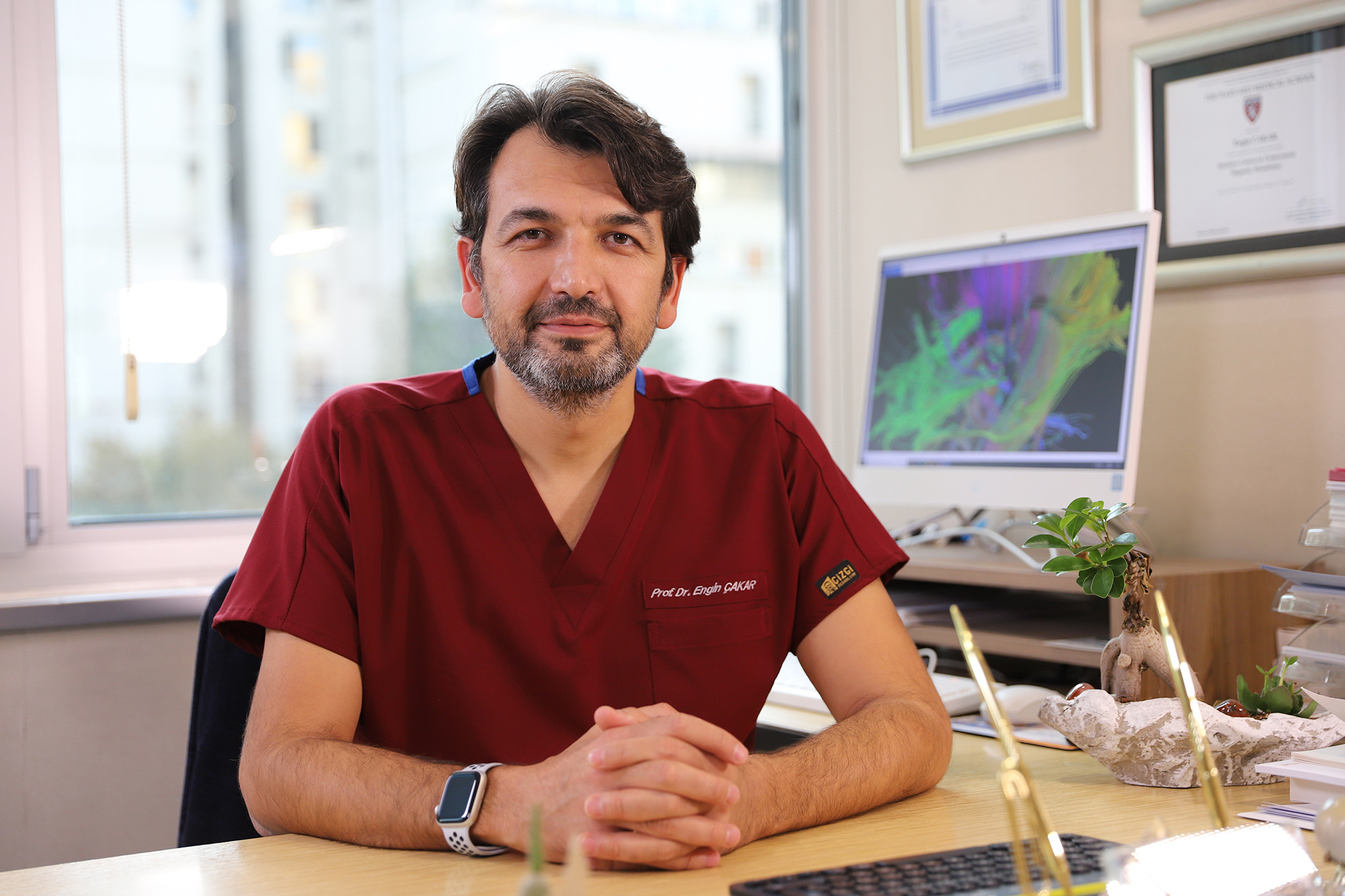 Prof. Dr. Engin Çakar · Physical Medicine & Rehabilitation
Recovery after a stroke is a journey that looks different for everyone. Understanding how it works helps patients and families set realistic goals and stay motivated.
How the Brain Recovers
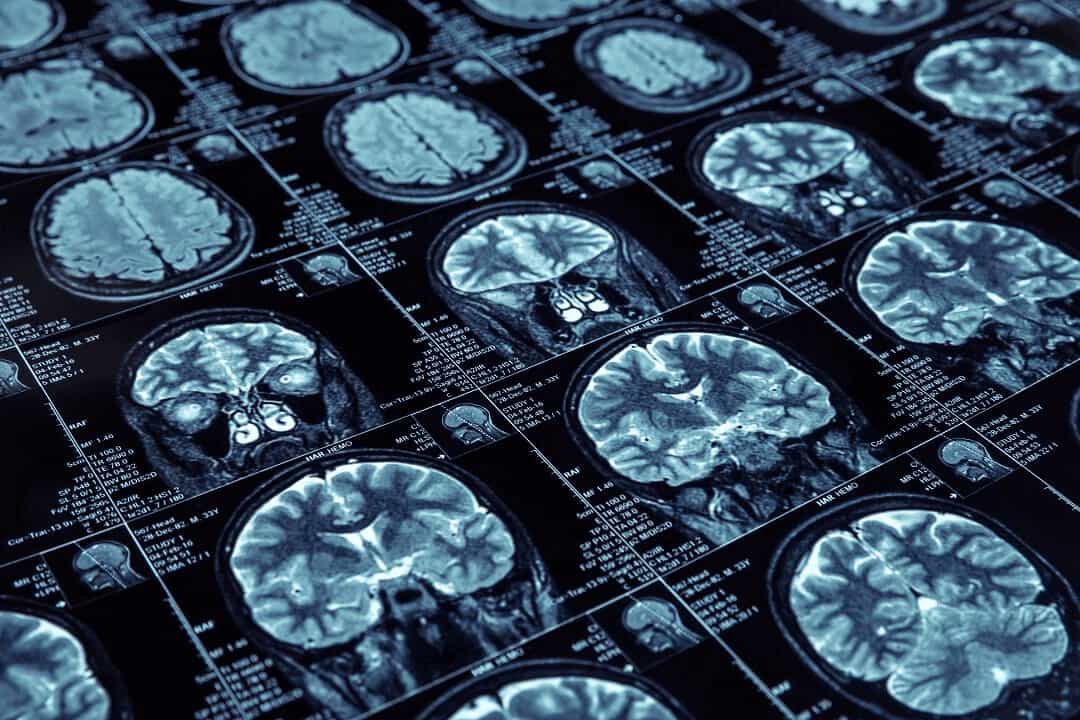
When a stroke damages part of the brain, other areas can, with practice, take over lost functions — a process called neuroplasticity. Repeated, focused rehabilitation is what drives this rewiring, which is why therapy is so important.
The Phases of Recovery
In the acute phase (the first days), care focuses on stabilising the patient and starting gentle rehabilitation. In the subacute phase (weeks to months), intensive therapy rebuilds movement, speech and daily skills — this is when the fastest gains usually happen. In the chronic phase (months to years), progress continues more gradually while the person adapts and consolidates their abilities.
What Helps
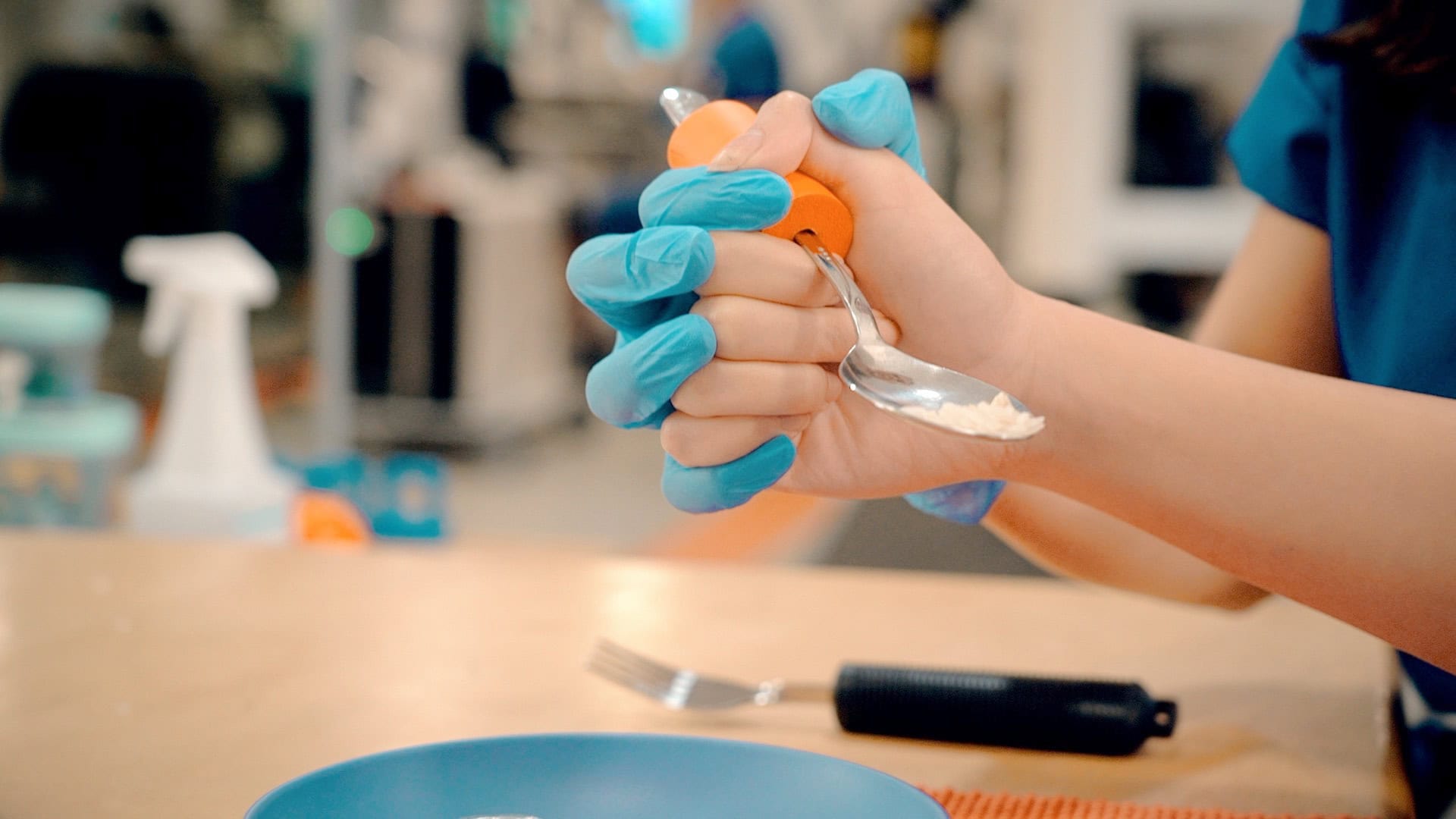
A coordinated rehabilitation team — physiotherapy, occupational, speech and cognitive therapy — makes the biggest difference. So do early, consistent practice, family support, psychological wellbeing, and managing risk factors to prevent another stroke.
Setting Expectations
Recovery is rarely a straight line; good days and setbacks are normal. Most improvement occurs in the first three to six months, but meaningful gains can continue for a year or more. With committed, specialist rehabilitation, many stroke survivors regain independence and a good quality of life.