Our centre
Rehabilitation Stages of a Stroke Patient
The stages of stroke rehabilitation, from the acute phase to long-term recovery.
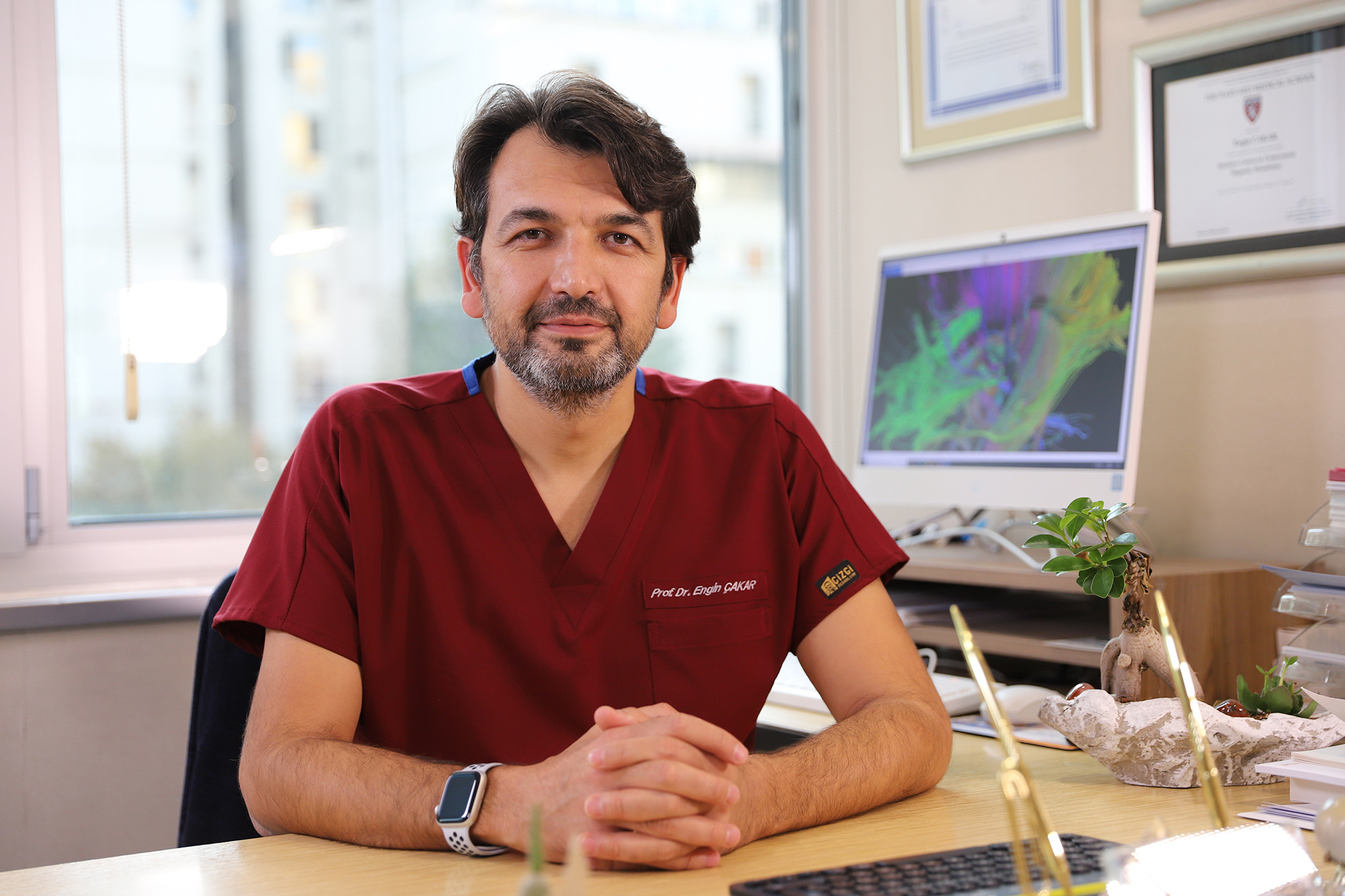 Prof. Dr. Engin Çakar · Physical Medicine & Rehabilitation
Stroke rehabilitation follows recognisable stages. Understanding them helps patients and families know what to expect and how care changes over time.
Acute Stage
In the first days after a stroke, the priority is stabilising the patient and preventing complications. Even here, early rehabilitation begins — gentle positioning, movement and, where safe, sitting up and standing — to protect muscles and joints and prepare for active therapy.
Subacute Stage
Over the following weeks to months, intensive rehabilitation takes centre stage. Physiotherapy rebuilds strength, balance and walking; occupational therapy restores daily skills and hand function; speech therapy addresses communication and swallowing. This period usually brings the fastest gains, often supported by technology such as robot-assisted gait and arm training.
Chronic Stage
Beginning months after the stroke and continuing long-term, the focus shifts to consolidating gains, adapting to any lasting effects, and maximising independence and quality of life. Home programmes and community support help maintain progress.
Throughout the Journey
Progress is individual and not always linear. Consistent, specialist therapy, family involvement, psychological support and secondary-stroke prevention all shape the outcome. With committed rehabilitation across these stages, many stroke survivors achieve meaningful, lasting recovery.


