
Stroke recovery
Post-Stroke Walking: When Does a Paralyzed Patient Walk?
When paralyzed stroke patients can walk again depends on stroke severity, early rehabilitation, neuroplasticity, and robotic gait training.
 Prof. Dr. Engin Çakar · Physical Medicine & Rehabilitation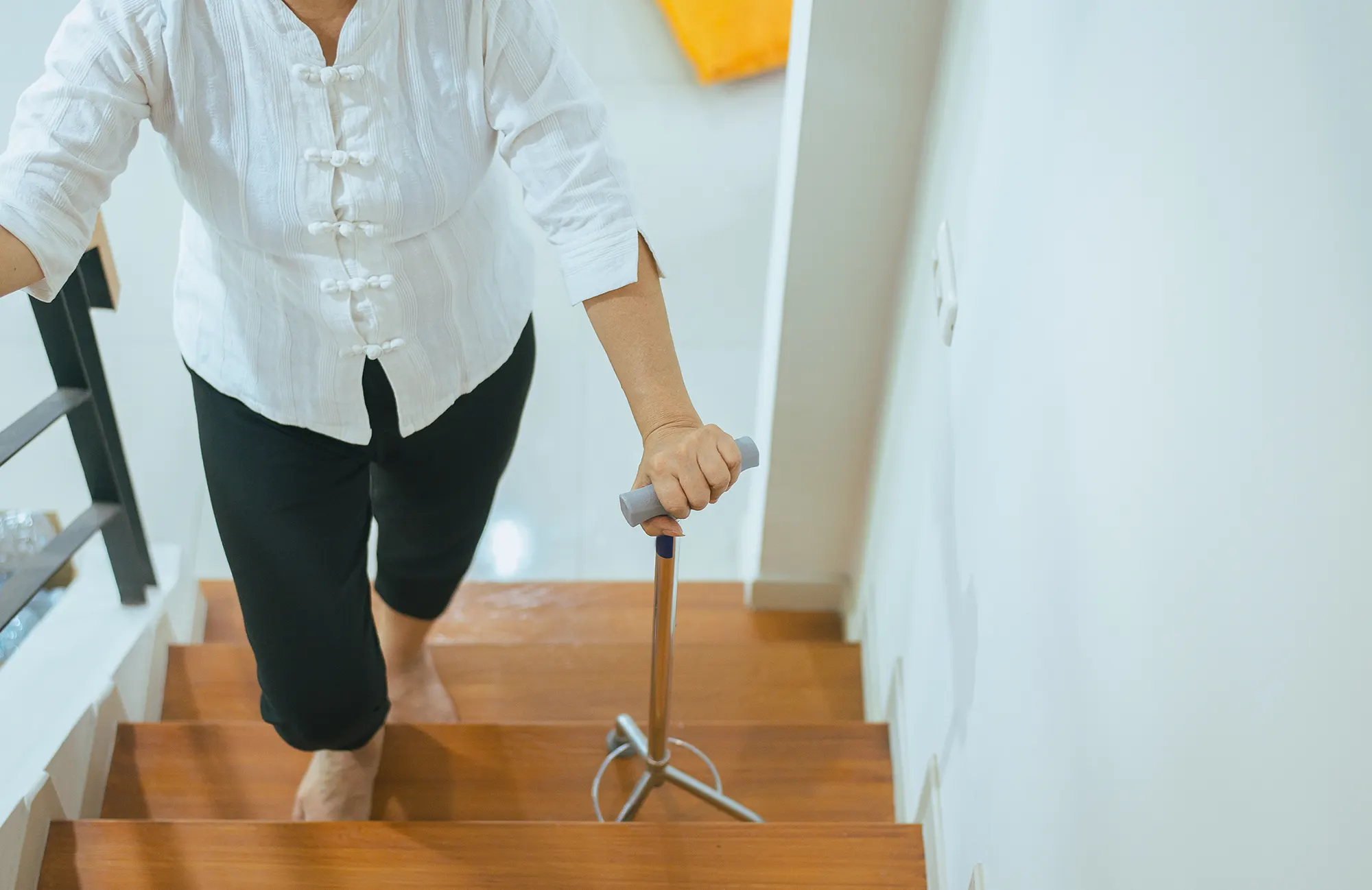
Stroke is injury of the brain tissue due to brain hemorrhage or brain embolism. In patients who had a stroke, loss of movement in the leg and arm on one side of the body, sensory impairment, visual disorders, loss in cognitive functions, and loss of balance and coordination disorder are observed.
Patients who developed paralysis after stroke lose the ability to walk partially or entirely because of these problems. The amount of recovery depends on the location and severity of the stroke, the patient's age, and the applied treatment.
Is It Possible to Walk Again After Paralysis?
It is possible for many stroke patients to walk again, but this requires intensive work. Patients with potential to walk may remain unable to walk if they cannot reach suitable treatment.
In paralyzed patients, exercises that train muscles and brain are performed through physical therapy and rehabilitation. When done with suitable intensity, the lost functions are started to be gained thanks to the ability of the brain to reorganize itself (neuroplasticity). To retrain the brain, varied movements with many repetitions and neuro-rehabilitation methods are used.
Physical therapy and rehabilitation should start at the earliest period. After the patient stabilizes medically, intensive rehabilitation work begins in intensive care and then at inpatient physical therapy centers. Late treatment can result in bed sores, muscle shortness, and joint stiffness, which make relearning to walk difficult.
When does a Paralyzed Patient Walk?
Stroke severity determines walking timeline for paralyzed patients:
In mild strokes, most patients regain walking ability within the first 6 months
Moderate strokes may require 1 year of recovery
Severe cases may take 2 years
In very severe strokes, patients may not regain walking ability
Healing capacity of brain after stroke is at its maximum in the first 6 months. Recovery speed may decrease after a year, but recovery is not impossible after 2 years. The recovery process only ceases if the patient gives up.
Walking ability cannot be gained spontaneously. Patients must perform correct exercises with suitable frequency through physical therapy, rehabilitation applications, and robotic devices to stimulate the brain's relearning of movement.
What are Done to Walk Again After Paralysis?
From the early period, in-bed exercises prevent muscle shortness and joint stiffness while providing brain stimulation for recovery. As movement reappears, more active exercises proceed.
When suitable, sitting exercises and body control trainings start. Standing trainings include standing with help from 1-2 persons, transferring weight to feet, and taking first steps.
At early walking phases, auxiliary devices placed on the ankle (AFO) can be used. These support muscles that haven't regained function and enable proper walking. Activities like lateral walking, backward walking, and climbing stairs are added as walking develops.
Patients progress from walking with help from 1-2 persons to using auxiliary devices like canes and eventually walking independently.
Treatment of Paralysis with Walking Robots
Robotic physical therapy devices enable stroke patients to train in a safe environment with regular patterns and intensity. The assistive robotic physical therapy devices for walk are:
Erigo Pro-Robotic Bed
The Erigo Pro-Robotic Bed brings patients to an upright position when they cannot stand or sit during early disease stages. This prevents complications from prolonged lying down. The patient learns head and body control, preparing them for standing. Robotic legs make the patient perform walking-like movements, preparing them for walking and other robotic devices.
Lokomat Pro-Gait Robot
The Lokomat Pro-Gait Robot enables walking exercises even in severe brain injury cases. A robotic external skeleton and legs make the patient walk while they watch their movement on screen and play games controlled by leg movements.
If patients lack sufficient muscle strength, the robotic system makes them walk passively. As muscles gain strength, robotic support decreases and suitable resistance increases. The patient who cannot walk normally performs the proper walking with the gait robot, and thanks to this, relearning of walking is stimulated in brain. Patient motivation and participation increase through gamification.
Alter G Anti-Gravity Treadmill
For patients who started walking but cannot walk balanced or for long durations, the Alter G Anti-Gravity Treadmill is used. It can decrease body weight up to 80% relative to gravity, allowing patients to walk safely with less exhaustion while enhancing muscle strength and exercise capacity.
Originally published on the doctor's site