Stroke recovery
Post-Stroke Personality Change
Stroke can cause depression, social avoidance, cognitive loss and emotional or behavioral changes; understanding them is the first step to help.
 Prof. Dr. Engin Çakar · Physical Medicine & Rehabilitation
Patients who had a stroke do not only develop physical problems. Significant personality changes and psychological disorders also occur. Personality changes and behavioral disorders may cause the patient to behave like a different person.
Understanding why stroke patients behave different and accepting the personality changes can be a big step towards changing the undesirable behaviors.
Post-Stroke Depression
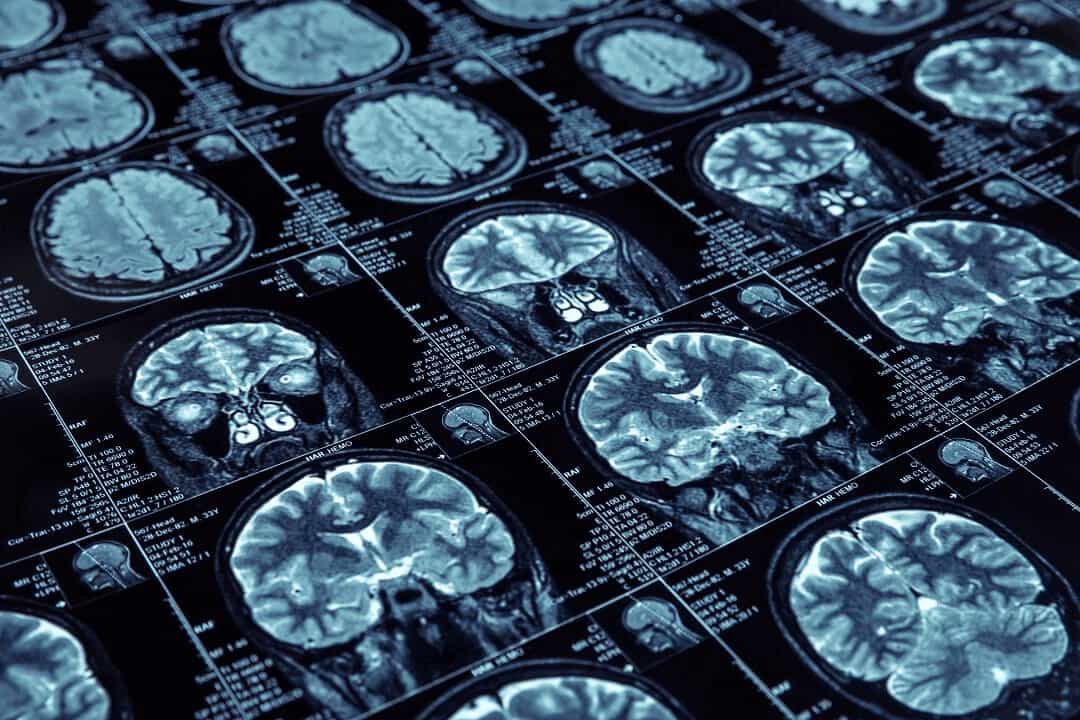
Depression is very common in patients who had a stroke. One third of stroke survivors have depression. Causes of depression after stroke include physical impairments such as loss of movement, inability to walk, and visual impairment. Stroke survivors may experience concern about their health or fear of death. Fear of not recovering and the helplessness caused by this fear also contribute. Additionally, the brain damage caused by the stroke directly causes depression.
During the stroke treatment process, a patient who develops depression may lose motivation and their participation in the treatment may decrease. Therefore, it is necessary to seek professional support to deal with depression. It is possible to overcome depression with treatments which involve medication and psychological counseling.
Social Avoidance
Post-stroke social anxiety is a condition which is seen commonly. One in five stroke patients has an anxiety disorder and most patients prefer to avoid social gatherings.
Some patients have disabilities that make it difficult to drive, get out of the house or even get out of the bed. These persons need someone to help them to participate in daily life. To need help in social environments is an important cause of social avoidance in stroke patients.
Loss of Cognitive Skills
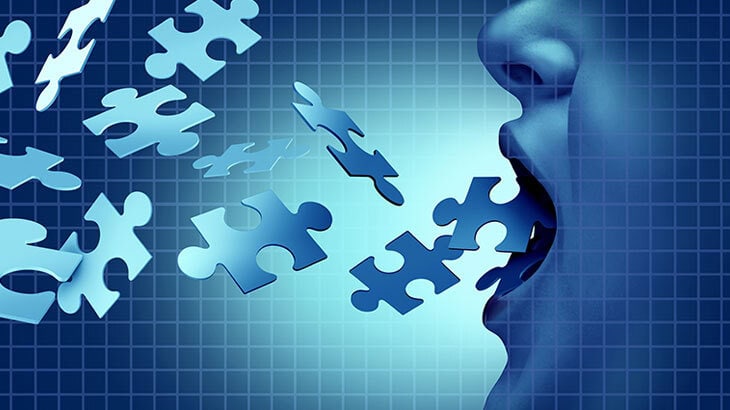
Cognitive skills include speaking, problem solving, reading and simple mathematical calculations. In stroke patients, losses in cognitive skills may occur. These patients may forget names, lose things or neglect important tasks because of forgetfulness. They may have difficulty in solving simple problems that they were previously able to understand and solve. As physical functions can be improved with physical therapy, it is also possible to regain cognitive skills with the help of therapies.
Unstable Emotional Changes
The area of the brain that controls emotional responses may be damaged because of the stroke. In this case, stroke patients may be more emotional than ever before and can laugh or cry at irrelevant situations. In these patients, mood and emotional changes are unstable.
To control this problem, medication and cognitive therapies can be applied. Taking slow and deep breaths to control emotions, trying to relax the facial muscles and focusing the attention elsewhere may also help.
Loss of Social Restraints
Some stroke patients may behave in ways which are accepted as socially inappropriate. Especially the damage on the frontal lobe of the brain is related with socially inappropriate behavior. These behaviors may include eating from a stranger's plate, insulting and swearing at people loudly, committing violence, and undressing in the public.
These patients generally do not have the insight to understand that their actions are unacceptable. For this reason, it is not likely for them to try to apologize for their behavior. The loss of social inhibitions may cause challenges especially for relatives and caregivers of the patient.
Other Personality Problems Seen in Stroke Patients
Not realizing having a stroke, change in the sense of humor, being unable to show empathy, lack of motivation and aggressiveness.
Originally published on the doctor's site