Stroke recovery
Medications in Stroke Treatment / Treatment of Stroke
Stroke treatment differs by type: ischemic strokes use clot-dissolving and endovascular therapy, while hemorrhagic strokes need bleeding control.
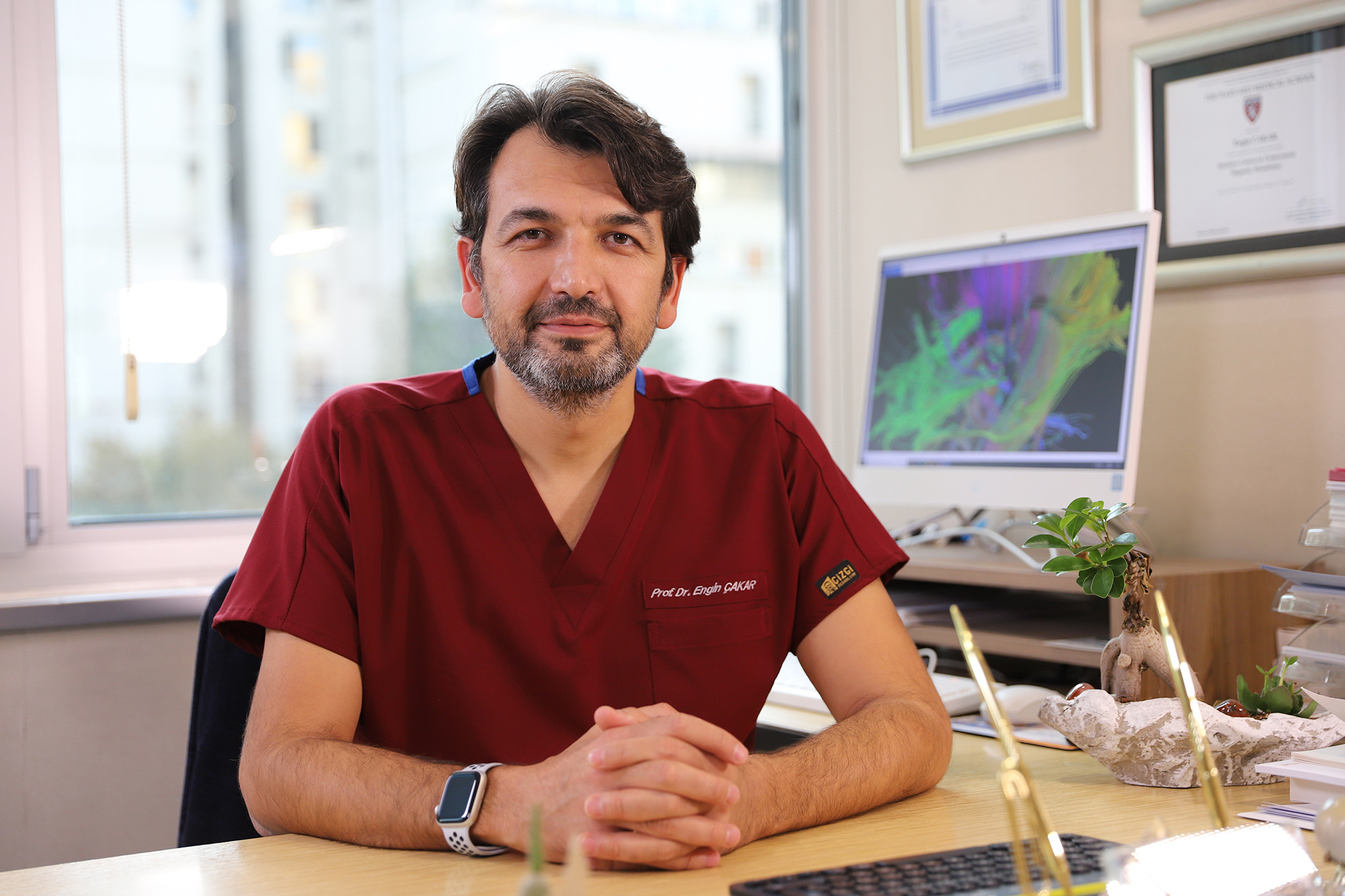 Prof. Dr. Engin Çakar · Physical Medicine & Rehabilitation
Stroke represents brain tissue injury resulting from disrupted blood circulation that prevents adequate blood supply. When brain tissue is damaged, the body loses the functions that tissue normally provides. This constitutes a medical emergency requiring immediate intervention to restore blood flow as quickly as possible.
Stroke Treatment
Treatment approaches depend entirely on the stroke type. Strokes result from either brain hemorrhage (hemorrhagic stroke) or blood clots blocking vessels (ischemic stroke). Each requires distinctly different treatment protocols.
Ischemic Stroke Treatment
For strokes caused by blood clots, doctors rapidly implement treatments restoring brain blood flow.
Vasodilators
Clot-dissolving medications must be administered intravenously within 4-5 hours of symptom onset. These medications restore blood flow by breaking apart the clot. Faster emergency intervention and medication administration significantly improve treatment success rates and reduce post-stroke functional loss.
Emergency Endovascular (Intravenous) Treatments
For suitable patients, doctors treat embolic strokes using minimally invasive methods. A thin catheter is inserted through a groin artery to reach the targeted blood vessel, allowing direct medication delivery to the brain. The clot itself can sometimes be mechanically removed using catheter-attached devices. This "closed brain blood vessel surgery" requires no surgical incisions and dramatically improves survival and reduces long-term disability when applied promptly.
Other Treatments
Doctors may recommend preventive vasodilator treatments:
Carotid Endarterectomy: Surgical removal of clots and blockages from carotid arteries that supply brain blood.
Angioplasty and Stenting: Insertion of a stent through groin arteries to widen narrowed carotid vessels.
Hemorrhagic Stroke Treatment
For brain hemorrhage strokes, emergency treatment focuses on stopping bleeding and reducing brain pressure from edema (excess fluid from bleeding).
Medication
Patients taking anticoagulants receive different medications or blood products counteracting these effects. Additional medications reduce intracranial pressure, lower blood pressure, prevent vessel spasm, and prevent seizures.
Endovascular Embolization
A catheter inserted through groin arteries reaches the brain, where medical materials stop bleeding and promote clotting.
Surgical Treatment
Extensive brain bleeding may require surgery to remove blood and reduce intracranial pressure. Bleeding caused by aneurysms, arteriovenous malformations (AVM), or other vessel problems may warrant surgery to repair the underlying vascular issue.
Important Note: Listed treatments may not suit every situation. Consult your healthcare team for personalized recommendations. This information is educational only and not therapeutic guidance.
Originally published on the doctor's site