Orthopaedics
Knee Replacement Surgery: What You Need to Know
What knee replacement surgery involves, who it helps, and what to expect from recovery.
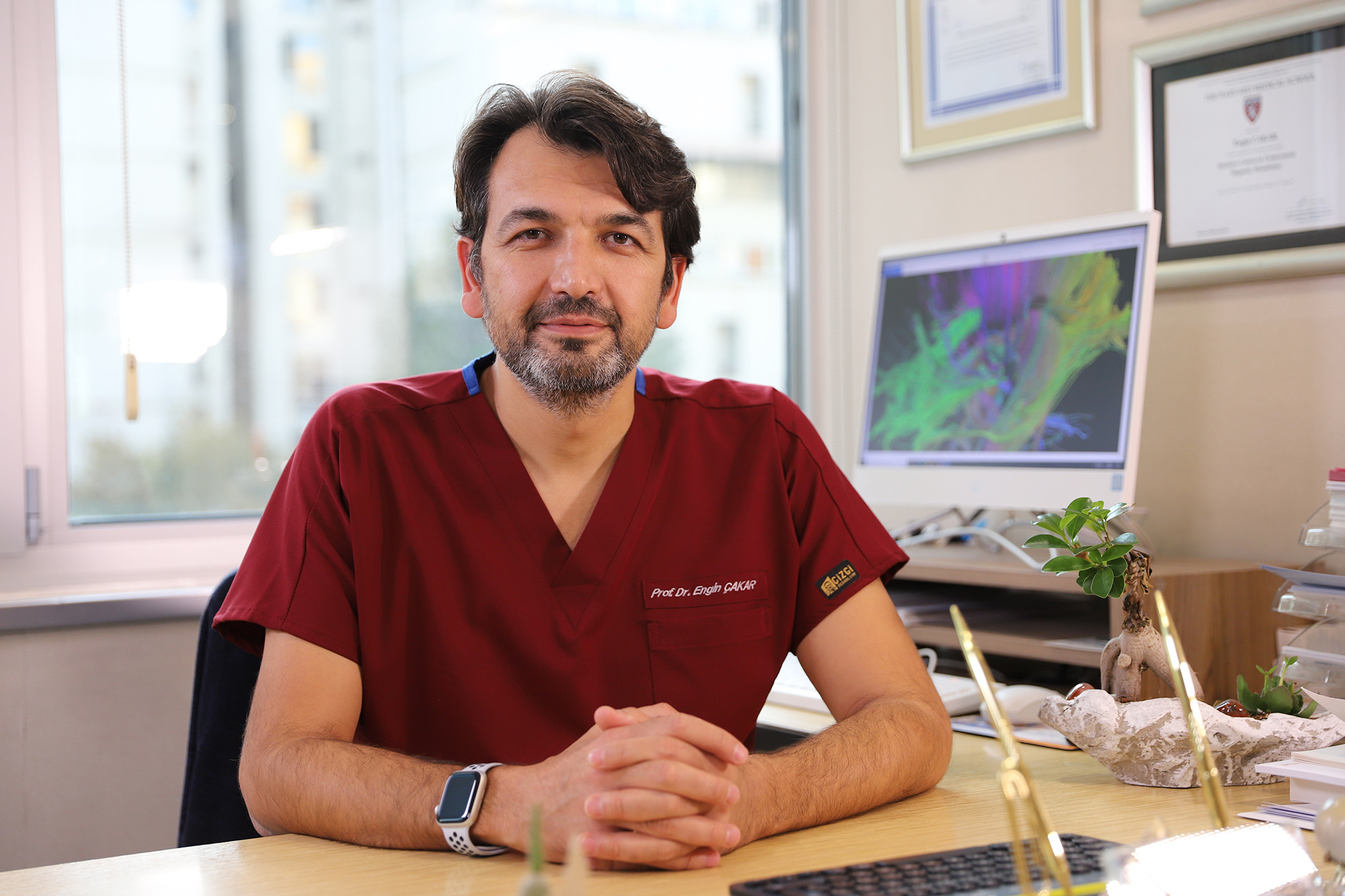 Prof. Dr. Engin Çakar · Physical Medicine & Rehabilitation
Knee replacement (knee arthroplasty) replaces a damaged or worn knee joint with a prosthetic one. It is most often recommended for severe arthritis or injury when pain and stiffness limit daily life and non-surgical treatments no longer help.
The Procedure
During surgery the damaged cartilage and bone are removed and replaced with metal and plastic components that recreate a smooth, working joint. A total replacement resurfaces the whole knee; a partial replacement addresses only the affected compartment. The operation usually takes one to two hours under general or spinal anaesthesia.
Recovery
Most people stay in hospital for a short period and begin gentle movement and physiotherapy within a day of surgery. Walking aids are used at first and gradually reduced. Rehabilitation exercises to rebuild strength and range of motion continue for several weeks, with most patients returning to normal activities over a few months.
Benefits and Considerations
Knee replacement reliably relieves pain and restores mobility for the great majority of patients. As with any surgery there are risks — infection, blood clots and, rarely, implant problems — which your surgeon will discuss. Following rehabilitation and sensible activity choices helps the new joint last for many years.