Stroke recovery
How to Prevent a Stroke: Strategies for a Healthier Life
Practical, evidence-based steps to lower your risk of stroke.
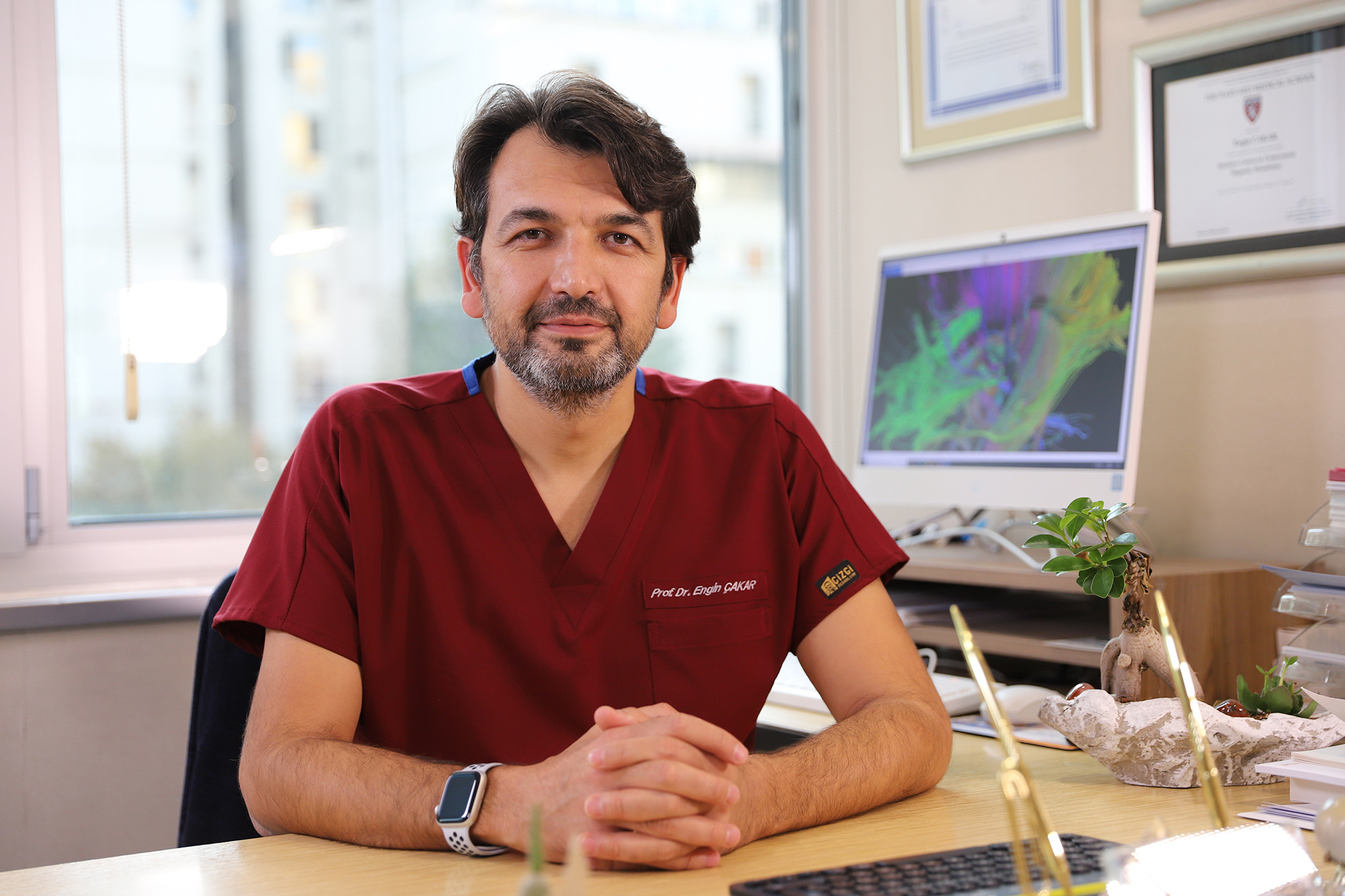 Prof. Dr. Engin Çakar · Physical Medicine & Rehabilitation
Most strokes are preventable. By managing the main risk factors and adopting healthy habits, you can dramatically reduce your chances of having one.
Control Your Blood Pressure
High blood pressure is the single biggest risk factor for stroke. Have it checked regularly and, if it is high, manage it with lifestyle changes and any prescribed medication — this alone greatly lowers risk.
Manage Other Medical Conditions
Keep diabetes and cholesterol under control, and if you have atrial fibrillation (an irregular heartbeat), treat it as advised, since it can cause clots that lead to stroke.
Adopt Healthy Habits
Stop smoking, which sharply raises stroke risk. Eat a balanced diet rich in fruit, vegetables and whole grains and low in salt and processed food. Stay physically active most days, maintain a healthy weight, and limit alcohol.
Know the Warning Signs
Learn FAST — Face, Arms, Speech, Time — so you can act immediately if a stroke occurs. Treating a mini-stroke (TIA) promptly can prevent a major one.
Regular Check-ups
See your doctor for regular reviews of blood pressure, cholesterol, blood sugar and heart rhythm. Catching and managing risk factors early is the most effective way to protect your brain and live a healthier life.