Stroke recovery
How Does a Paralyzed Arm Heal? Paralyzed Hand Treatment
Learn how a paralyzed hand and arm can recover after stroke through rehabilitation, mirror therapy, forced use, mental practice, and robotics.
 Prof. Dr. Engin Çakar · Physical Medicine & Rehabilitation
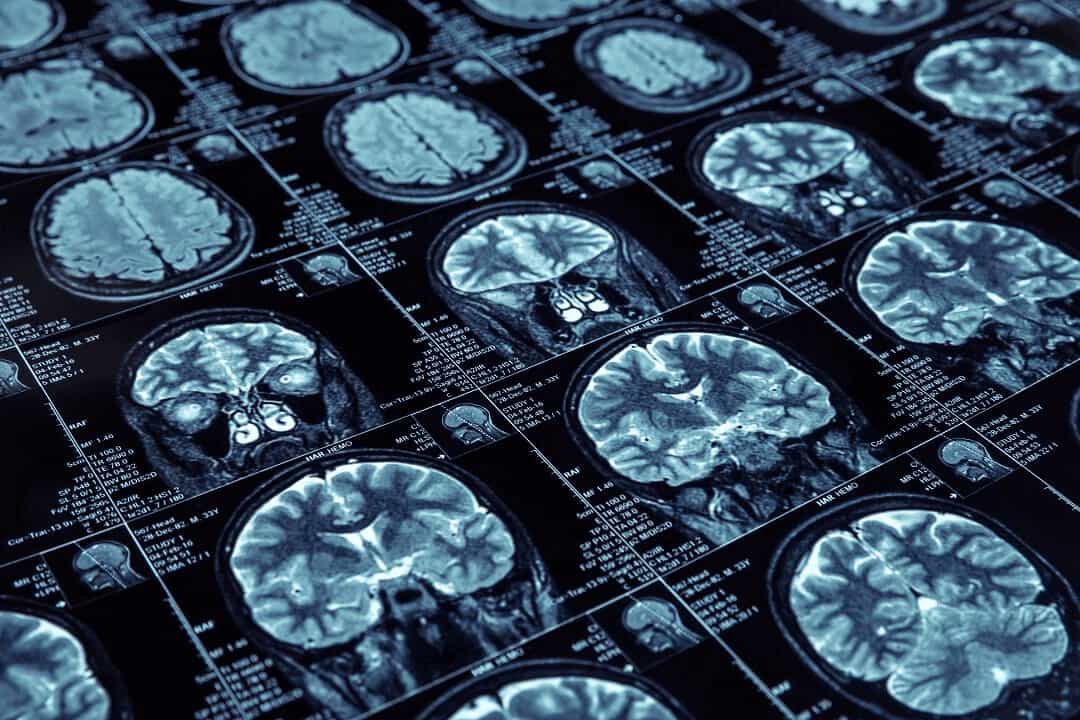
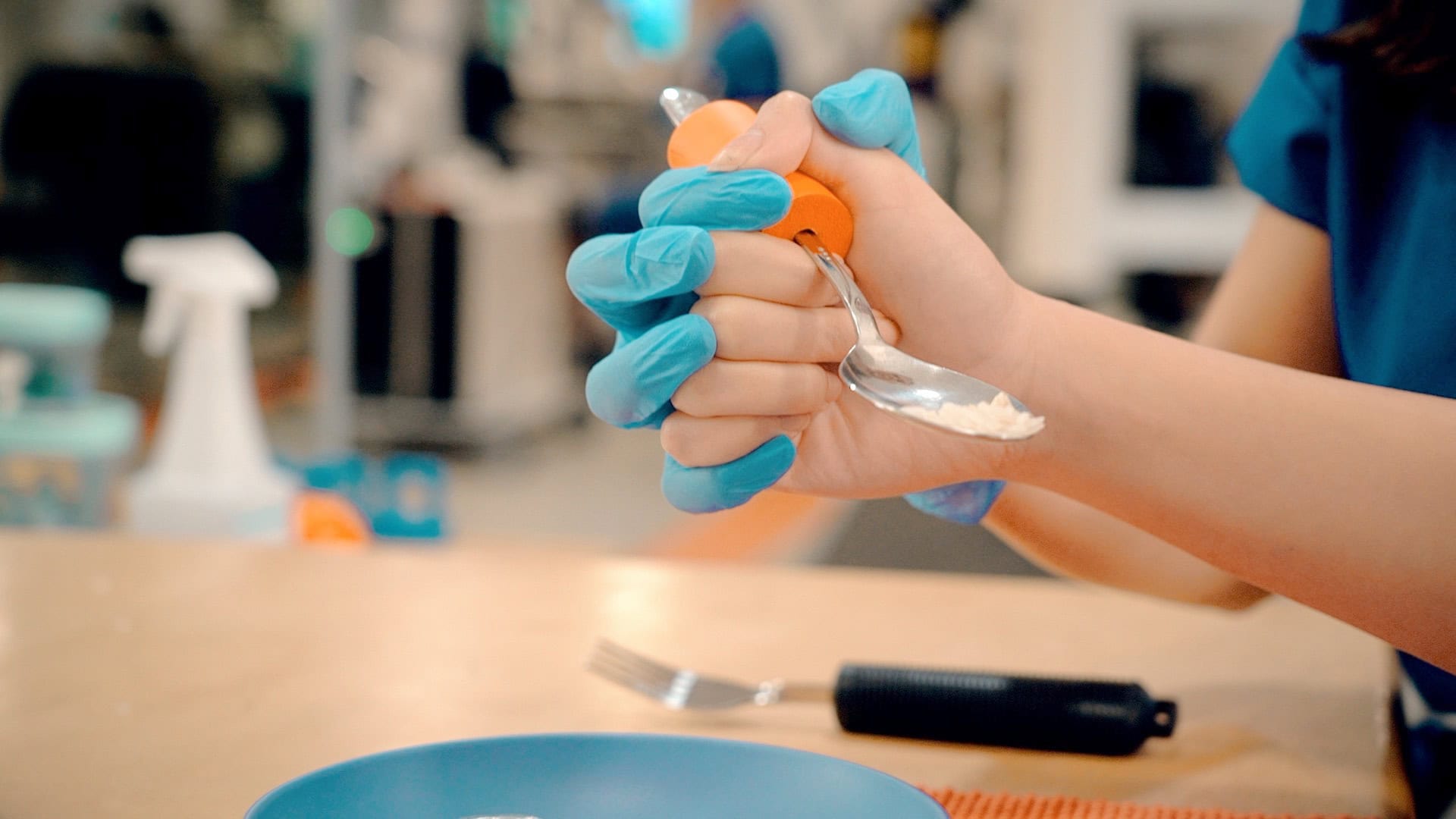
In cases where patients experience paralysis from brain hemorrhage, vascular occlusion, injury, or tumors, movements in the hand, arm, and leg are compromised. Hand and finger movements typically require extended recovery periods. Even patients who regain the ability to walk may continue experiencing hand-arm movement difficulties.
While hand recovery after paralysis progresses gradually, rehabilitation outcomes improve significantly with increased exercise and targeted activities. Several evidence-based approaches can accelerate recovery following stroke.
Paralyzed Hand Rehabilitation
Hand rehabilitation encompasses therapeutic methods designed to restore function lost to musculoskeletal or nervous system disorders affecting the hand or arm. This approach proves essential for recovering fine motor skills diminished by stroke. Unlike traditional strength-focused exercises, rehabilitation techniques stimulate brain recovery through neuroplasticity and relearns the skills which have been lost.
Repetitive exercises drive brain reorganization, though movement variety proves equally important. Frequent hand exercises stimulate neural pathways and encourage functional restoration.
Mirror Therapy for Paralyzed Hand Treatment
Mirror therapy positions a mirror to reflect the healthy hand's movements while attempting corresponding motions with the paralyzed hand. This visual feedback deceives the brain into perceiving paralyzed hand movement, triggering neuroplasticity and promoting functional recovery.
Forced Use Therapy in Paralyzed Hand Treatment
This intensive approach restricts the healthy arm while encouraging paralyzed arm use. Given safety considerations with restricted movement, patients should consult healthcare providers before attempting this method.
Mental Practice in Paralyzed Hand Treatment
Visualization exercises involve imagining movements before and during physical practice. Mental rehearsal activates neuroplasticity, supporting brain recovery even when physical movement remains limited.
Robotic Rehabilitation in Paralyzed Hand Treatment
Advanced robotic systems utilizing virtual reality overcome conventional rehabilitation limitations. These technologies enable repetitive, accurate exercises while patients perform simulated daily activities safely. Robotic interventions stimulate brain plasticity and accelerate functional recovery.
Don't Give Up
Hand recovery requires patience, as progress may extend over prolonged periods. Sustained therapy and effort yield continued improvements. Recovery only stops when you stop.
Originally published on the doctor's site