Stroke recovery
Feeling of Numbness and Tingling in Stroke Patients
Numbness and tingling after stroke stem from brain damage and can be treated with sensory retraining and mirror therapy rehabilitation.
 Prof. Dr. Engin Çakar · Physical Medicine & Rehabilitation
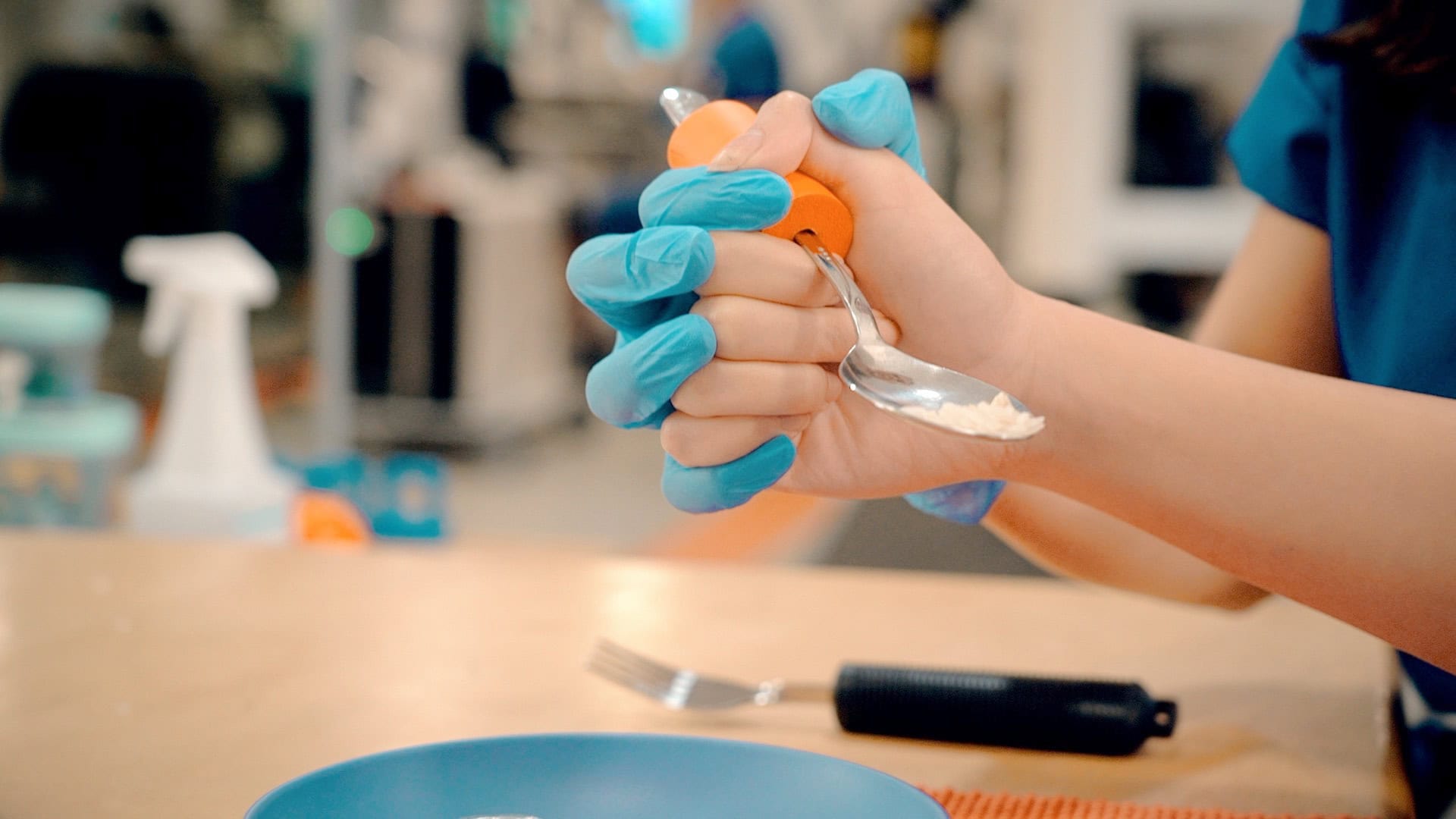
Complaints involving numbness, tingling sensations, or loss of feeling frequently appear in stroke patients. Beyond the movement loss from post-stroke paralysis, sensory disturbances also develop. These sensory complications—including reduced sensation, numbness, tingling, or heightened sensitivity—typically affect the arms and legs.
Some patients experience spontaneous disappearance of these sensory issues as brain recovery progresses. However, sensory training methods should also be included in rehabilitation programs to address sensory disorders effectively.
Why Does Feeling of Numbness Happen in Stroke Patients?
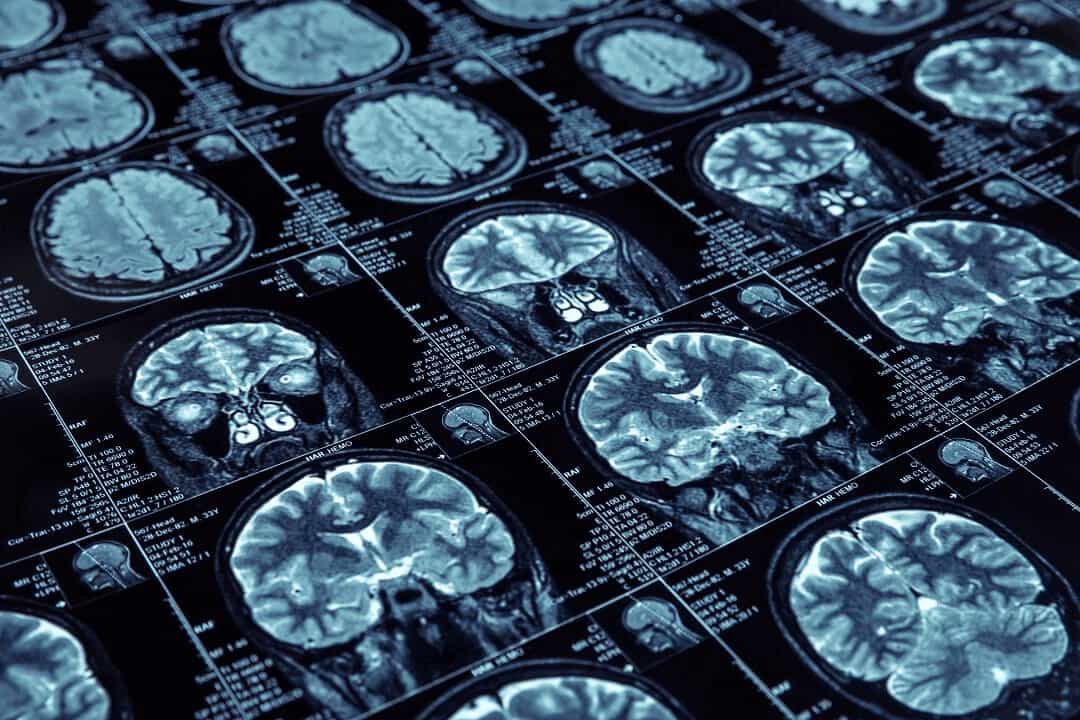
Understanding post-stroke numbness requires examining how stroke damages the brain. Stroke occurs when blood flow blockage (from embolism or hemorrhage) prevents oxygen delivery to brain cells, causing cellular damage and functional loss. The specific brain region affected determines which functional problems develop.
Motor control area damage produces paralysis and movement loss. Damage to sensory regulation areas causes numbness and tingling. Two brain regions warrant particular attention: the thalamus and occipital lobe. Thalamus is responsible for the interpretation of 98% of all sensory input, while the occipital lobe processes information from all five senses. Damage to these areas causes sensory disorders, though numbness complaints can occur even without direct damage to these regions.
How Long Does Numbness Continue After Stroke?
Recovery varies significantly among patients. Key recovery factors include stroke location and severity, patient age and overall health, and the intensity of physical therapy and rehabilitation provided.
Some patients experience spontaneous sensory improvement within 1-2 months. If sensory problems persist, rehabilitation must prioritize these issues. Fastest recovery typically occurs during the first 3-6 months, though improvement continues beyond this timeframe. Recovery isn't limited to early phases—with consistent rehabilitation, functional gains can continue indefinitely.
How is Numbness Treated in Stroke Patients?
Rehabilitation methods focused on sensory retraining effectively address sensory loss in stroke patients.
Sensory Training
Post-stroke arm and leg numbness differs from other numbness types because the problem originates in the brain rather than local tissues. Sensory training retrains the brain through neuroplasticity—the brain's ability to reorganize and learn new functions. This approach employs exercises involving touch and texture discrimination. Patients interact with materials possessing varied textures (sandpaper, cotton, silk) to help the brain relearn sensory interpretation.
Mirror Therapy
Mirror therapy creates visual illusions by reflecting the unaffected limb while the patient observes it as their paralyzed limb. Both hands receive sensory stimulation simultaneously—one unaffected, one paralyzed—positioned on opposite sides of a mirror. This visual feedback combined with tactile stimulation provides sensory retraining for the affected side.
Originally published on the doctor's site