Stroke recovery
Early Signs of Stroke: Identifying and Preventing the Silent Killer
Recognising the early warning signs of a stroke can save lives and reduce lasting damage.
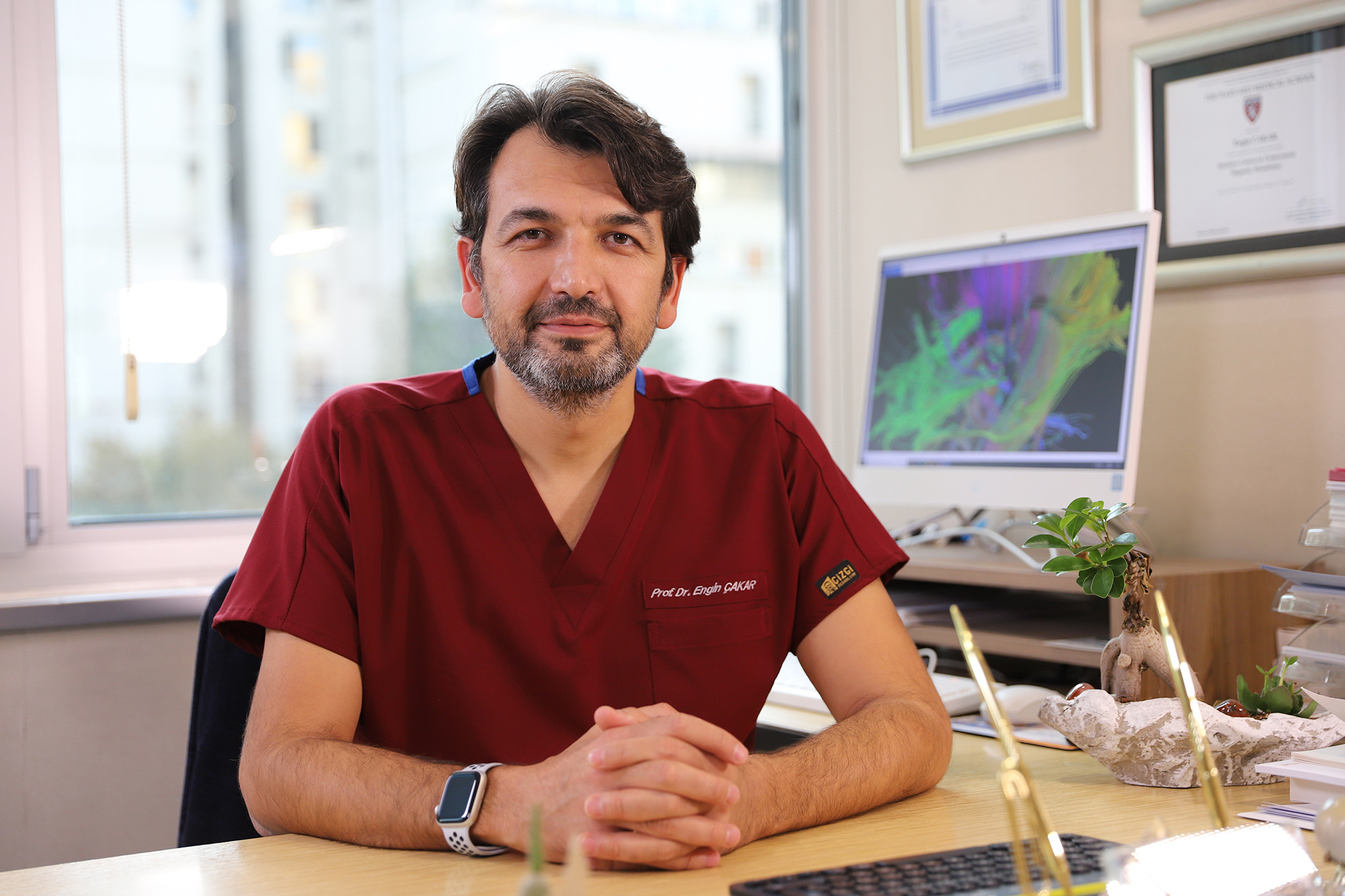 Prof. Dr. Engin Çakar · Physical Medicine & Rehabilitation
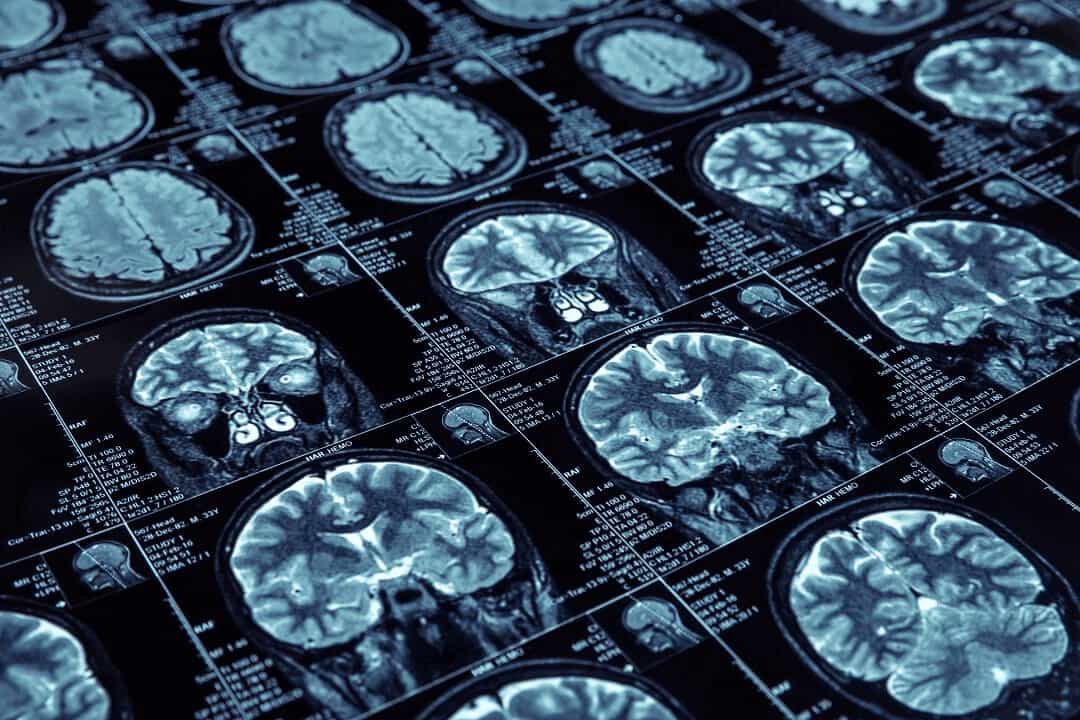
A stroke is a medical emergency that strikes suddenly when blood flow to the brain is disrupted by a clot or a bleed. Brain cells begin to die within minutes, so recognising the signs and acting fast is critical.
Recognising the Signs — Think FAST
Face: one side of the face droops or is numb. Arms: one arm drifts down when both are raised. Speech: words are slurred or hard to understand. Time: if you see any of these, call emergency services immediately.
Other sudden symptoms include numbness or weakness on one side of the body, confusion, trouble seeing, dizziness or loss of balance, and a severe headache with no clear cause.
Warning Episodes — TIA
A transient ischaemic attack (TIA) causes stroke-like symptoms that resolve within minutes or hours. It is a serious warning sign and needs urgent medical assessment to prevent a full stroke.
Reducing Your Risk
Many strokes are preventable. Control high blood pressure, the single biggest risk factor. Manage diabetes and cholesterol, stop smoking, stay active, eat well, limit alcohol, and treat atrial fibrillation if present. Regular check-ups help catch and manage risk factors early.