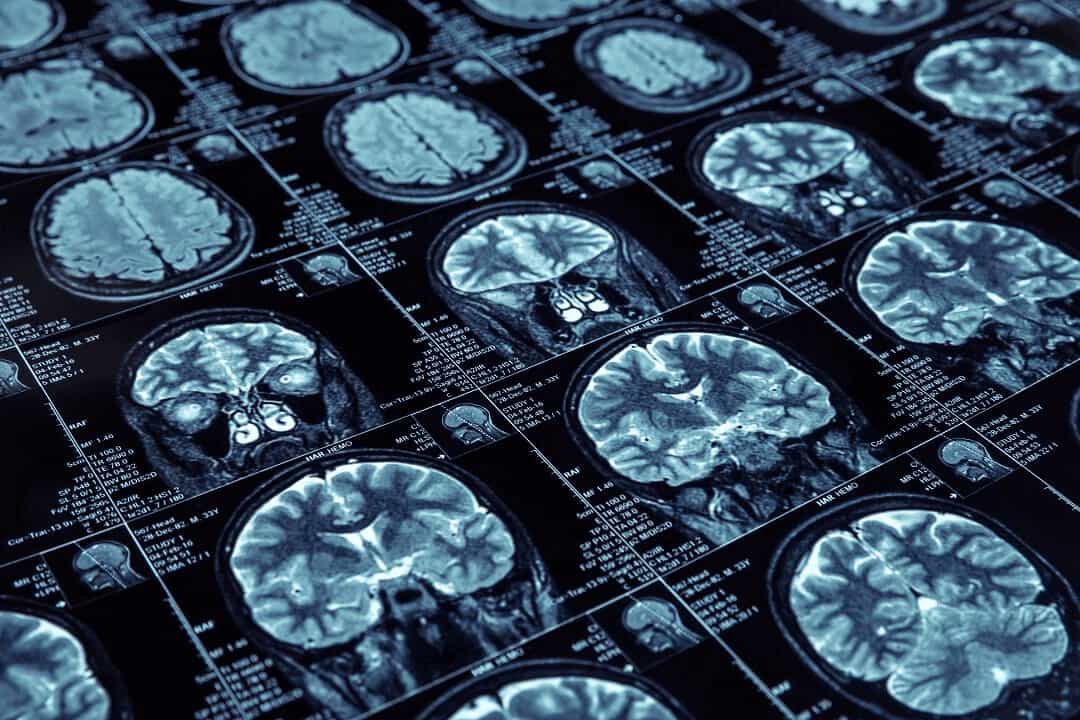
Stroke recovery
Can Stroke (Paralysis) Be Completely Healed?
Full stroke recovery depends on severity, location, age and treatment; learn recovery rates and the factors that shape the outcome.
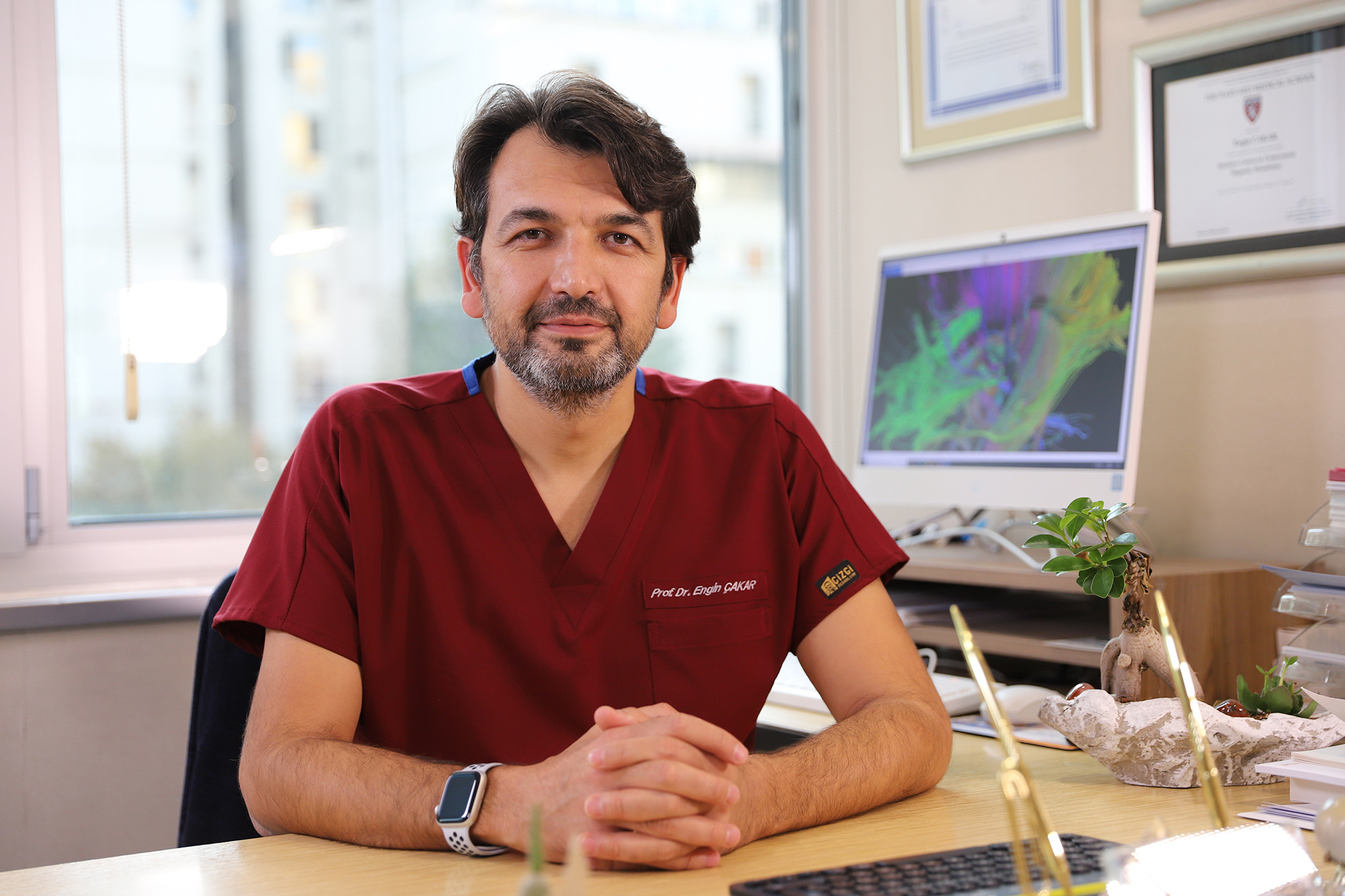 Prof. Dr. Engin Çakar · Physical Medicine & Rehabilitation
Stroke is a major health problem affecting millions globally. More than 100 million stroke patients exist worldwide, with over 12 million new cases annually. Stroke occurs when blood flow to the brain is interrupted due to embolism, vascular occlusion, or hemorrhage, leading to functional losses with long and difficult recovery.
Stroke Recovery Process
The recovery process involves distinct stages. The acute stage covers the first few days, focusing on reducing life-threatening risks and preventing further brain damage through medication and surgery. The subacute stage begins days after and lasts weeks, initiating physical therapy, ergotherapy, speech therapy, and robotic rehabilitation at comprehensive centers. The chronic stage begins weeks after and may last months or years, maximizing recovery and compensating for functional losses through continued therapy.
How Many Patients Fully Recover?
Full recovery depends on stroke severity, brain damage location, patient age, health condition, and treatments applied. Ten to fifteen percent achieve complete recovery, overcoming paralysis entirely. Twenty-five to forty percent partially recover, regaining important functions despite permanent impairments. Fifty to sixty-five percent may not regain lost functions and require prolonged rehabilitation for daily independence.
The Factors Which Affect Recovery
Stroke severity significantly impacts outcomes. The affected brain area matters critically - strokes in vital function regions lower recovery chances. Younger patients generally recover better than older ones. Pre-existing conditions like diabetes, hypertension, and heart disease complicate recovery. Treatment quality, including physical therapy at comprehensive centers with expert teams and advanced robotic facilities, substantially improves recovery prospects.
Originally published on the doctor's site