Stroke recovery
Brain Exercises for Stroke Recovery
Cognitive and physical exercises that support brain recovery and rehabilitation after a stroke.
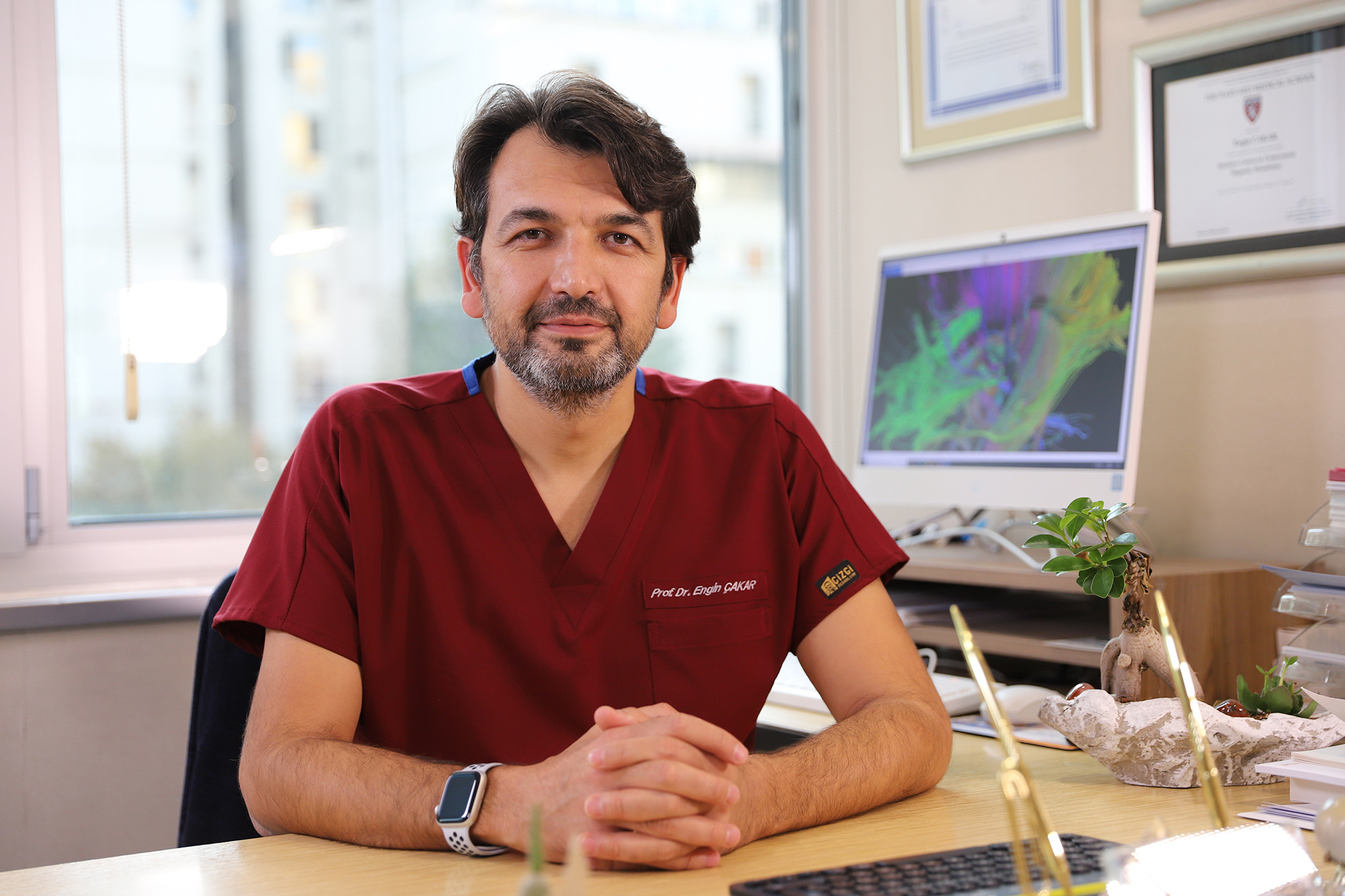 Prof. Dr. Engin Çakar · Physical Medicine & Rehabilitation
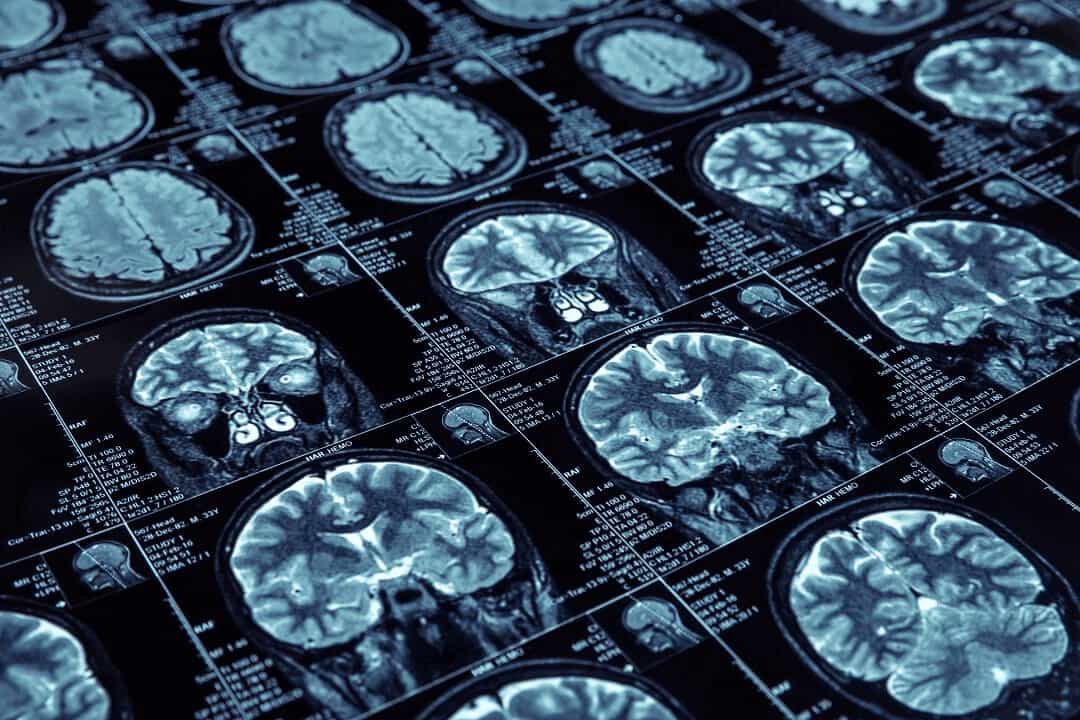
After a stroke, targeted exercises help the brain rebuild connections through neuroplasticity — its ability to relearn and reorganise. Alongside physical therapy, cognitive "brain exercises" support recovery of memory, attention, language and problem-solving.
Cognitive Exercises
Memory and attention can be strengthened with activities such as puzzles, card and matching games, sorting tasks, and following recipes or simple sequences. Reading, writing and word games help language recovery, while number and planning tasks support reasoning and organisation.
Physical Exercises That Engage the Brain
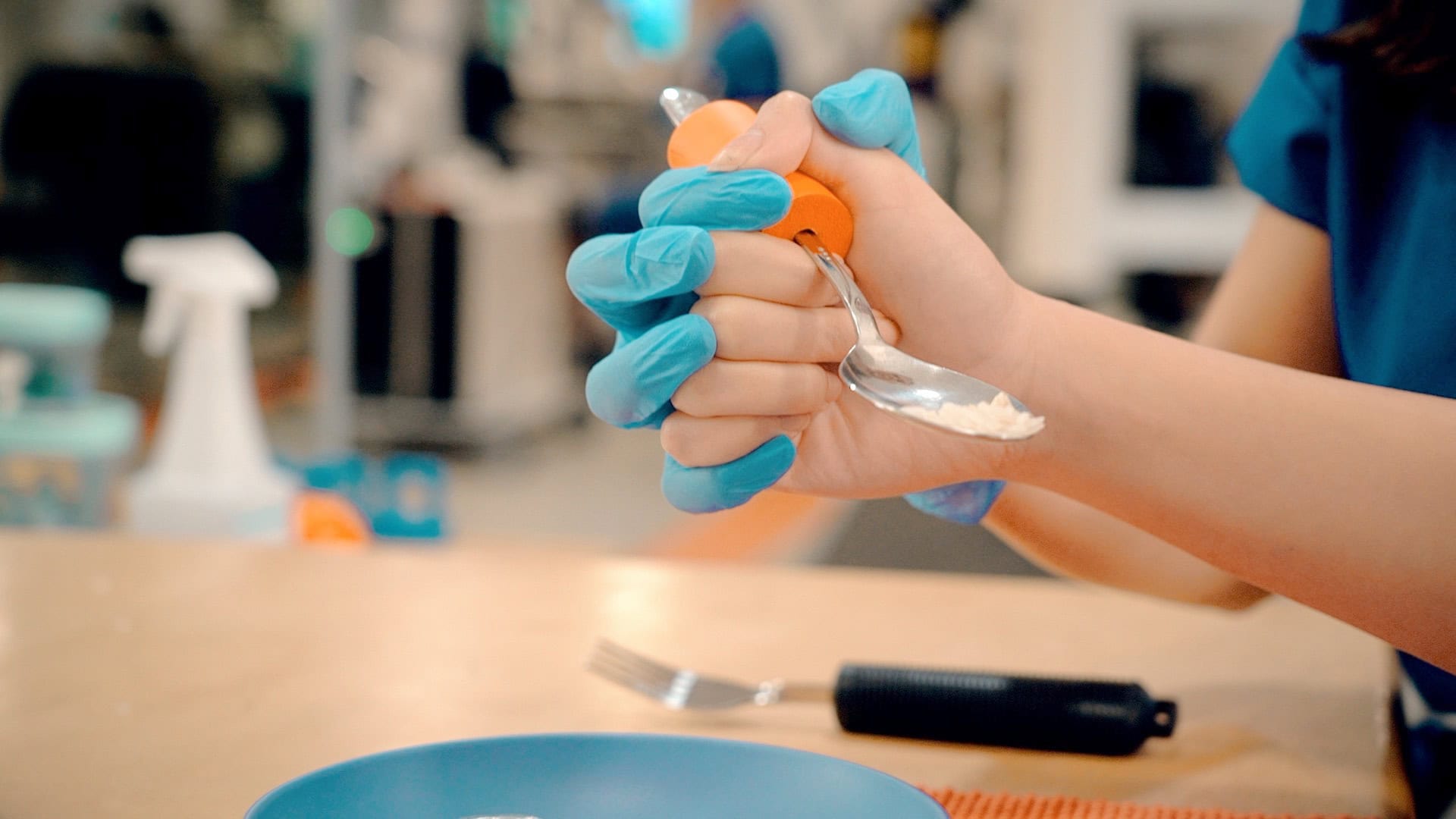
Movement is also brain training. Repetitive, task-specific practice — reaching, grasping, walking, and hand exercises — drives the motor recovery that underlies daily independence. Combining movement with thinking (for example, naming objects while handling them) engages multiple brain networks at once.
Speech and Communication
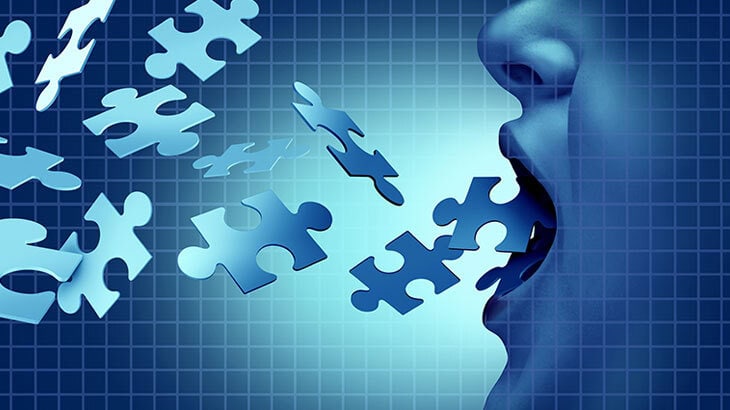
For those with language difficulties (aphasia), practising naming, describing pictures, and conversation with a speech and language therapist rebuilds communication.
Making Exercises Effective
The keys are repetition, gradually increasing challenge, consistency and motivation. Exercises should be tailored to the person's abilities and goals, ideally guided by the rehabilitation team, and practised little and often. Technology — apps, games and rehabilitation devices — can make practice more engaging.
Brain exercises work best as part of a complete, specialist rehabilitation programme, and combined with good sleep, nutrition and emotional support they help stroke survivors regain function and confidence.