Neuro-rehab
Transverse Myelitis (Spinal Cord Inflammation) and Physical Therapy
Transverse myelitis inflames the spinal cord's myelin, causing weakness and sensory loss that physical therapy and rehabilitation help treat.
 Prof. Dr. Engin Çakar · Physical Medicine & Rehabilitation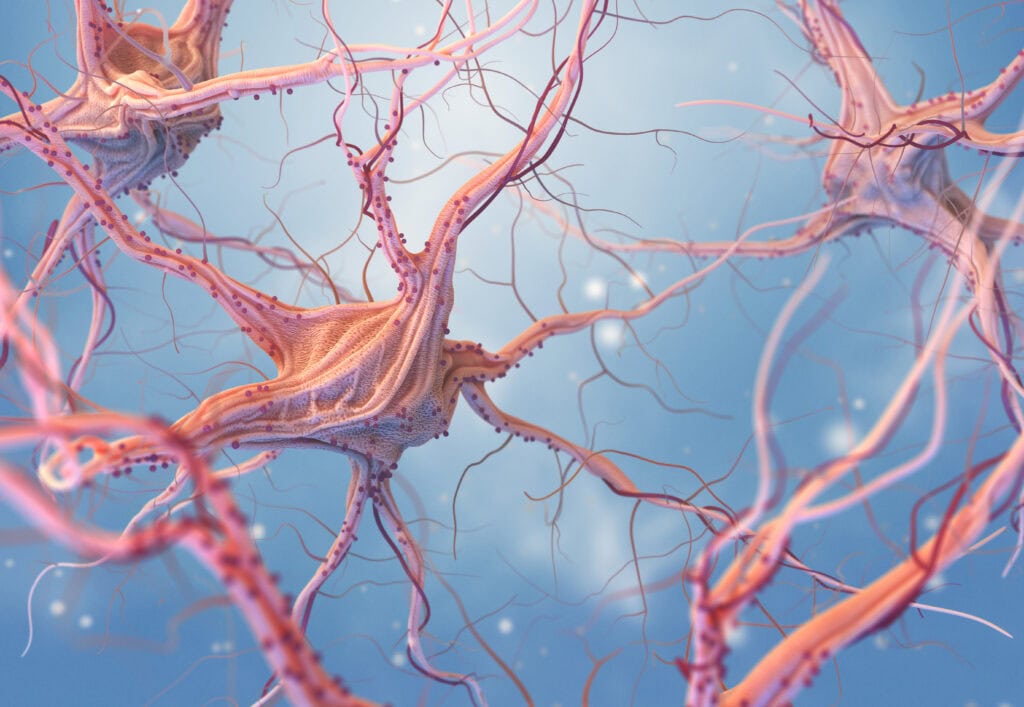
Transverse myelitis is a disease which affects the spinal cord. When the myeline sheath, which is a protective cover on the nerve fibers of the spinal cord, becomes inflamed, it causes many neurological disturbances. Transverse myelitis is also known commonly as spinal cord inflammation. The severity of symptoms caused by the disease depends on which nerves got damaged and to what degree.
On Whom Transverse Myelitis (Spinal Cord Inflammation) is Seen?
Transverse myelitis develops due to many factors related to auto-immune diseases and inflammatory situations. It can also develop due to viral, bacterial, or infectious causes. It may occur as a response of the immune system against infections like chicken pox and measles.
What are the Symptoms of Transverse Myelitis?
Symptoms of spinal cord inflammation start suddenly and advance rapidly in general. The commonly seen symptoms are:
Development of muscle weakness or paralysis in legs
Development of muscle weakness or paralysis in arms
Sensory problems
Feeling of pain, numbness and tingling in arms and legs
Problems of urination and excretion
Involuntary contraction of muscles (spasticity)
Tiredness and depression
Advancement of the complaints may be prevented by medications even if there is no exact treatment of transverse myelitis. A comprehensive physical therapy and rehabilitation program should be initiated at the earliest period. Physical therapy and rehabilitation are quite important to prevent and treat functional losses like muscle weakness and walking disorders which may ensue.
Transverse Myelitis and Physical Therapy
Physical therapy and rehabilitation applications are initiated at the earliest period for patients whose vital findings are controlled and medical situation is stabilized. The physical therapy and rehabilitation expert doctor defines a suitable treatment plan for the patient's needs by examining the patient comprehensively.
Health experts from various branches, like physiotherapists, ergotherapists, speech-swallowing therapists, physical therapy technicians, respiratory therapists and rehabilitation nurses, work as a team for the patient's rehabilitation.
Initially, the prevention of decreased muscle power and protection of movement are the aims in physical therapy. Increase of muscle power, relearning of correct walking, development of hand-arm usage and increase of independence are ensured with physical therapy applications and exercises.
Physical therapy agents like TENS and hot/cold applications can be used for pain which may develop due to the disease.
Balance loss may ensue due to the impact on the spinal cord. With balance and coordination exercises, this loss can be prevented.
Robotic physical therapy applications which are suitable for the patient's potential and needs are used as auxiliary measures of conventional physical therapy methods. Advanced robotic technologies like robotic beds, gait robots, hand-arm robots, anti-gravity treadmills and computerized balance devices may be included in therapy according to the patient's level.
Orthoses which enable patients to regain lost functions, provide support and help with walking can be used if needed. Private AFOs may be recommended especially for patients whose walking pattern has been disordered or ankle control has been lost.
In cases of patients with bladder and intestine problems, and who experience problems of urinary and fecal incontinence, trainings are given to manage complications with exercises for pelvic floor muscles.
Transverse myelitis affects the quality of life significantly. A comprehensive physical therapy and rehabilitation program is quite important to increase the quality of daily life and regain lost functions. Patients should adhere regularly to personalized physical therapy programs and remember they are in a process which requires patience.
Originally published on the doctor's site